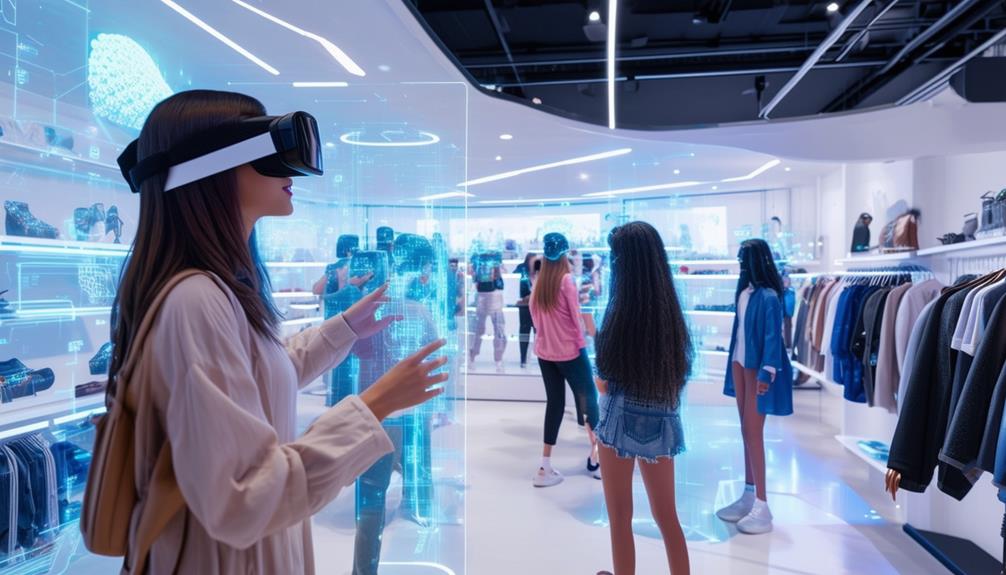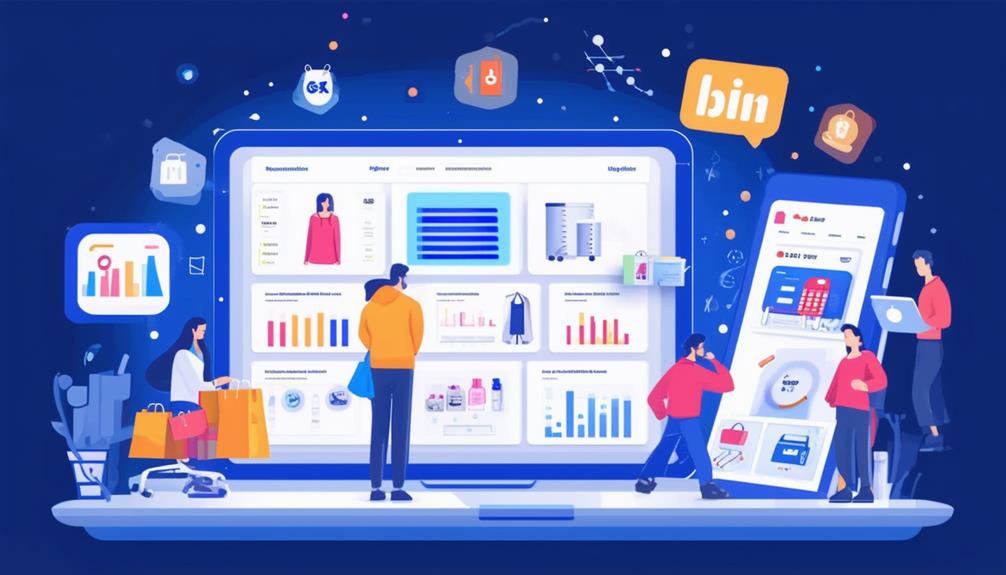
Augmented Reality for Product Customization: Engaging Shoppers
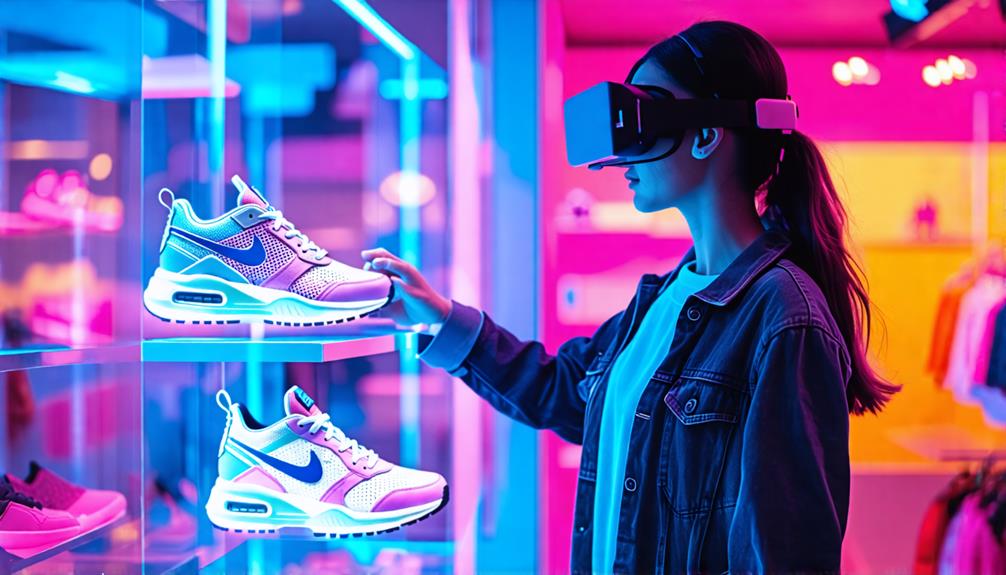
Imagine entering a store where you can instantly visualize how a piece of furniture will look in your living room or how a pair of shoes will appear on your feet without having to try them on. This is the power of augmented reality (AR) for product customization. With AR, you are not merely browsing; you are engaging and personalizing your shopping experience in real time. This technology not only enhances the fun of shopping but also boosts your confidence in making purchase decisions. Interested in how this innovation is reshaping retail and what it signifies for the future of shopping?
The Evolution of AR in Ecommerce
Over the years, Augmented Reality (AR) has revolutionized the eCommerce landscape by seamlessly bridging the gap between online browsing and physical shopping. Enhancing product visualization, AR has transformed the way consumers shop online. By integrating AR into eCommerce platforms, businesses can create interactive shopping experiences that are both engaging and captivating. Imagine being able to virtually try on clothes or visualize how a piece of furniture would look in your living room—all from the comfort of your home. This level of interaction significantly enhances the customer experience.
Studies indicate that Shopify stores utilizing AR content experience a remarkable 94% increase in conversion rates. This statistic underscores the effectiveness of AR in converting casual browsers into actual buyers. The introduction of virtual try-on features has increased purchase likelihood by up to 200%, demonstrating AR's capacity to engage shoppers effectively.
As AR technology continues to evolve, it is expected to become an integral part of daily shopping experiences by 2025. The seamless integration of AR offers a personalized shopping experience that caters to individual needs and preferences. Continuous advancements in AR technology are poised to expand its capabilities further, fundamentally altering how consumers interact with products online.
Real-Time Customization Benefits
Imagine you're shopping online and immediately see how a pair of shoes looks in various colors, styles, and sizes. This is the magic of real-time customization through Augmented Reality (AR). AR enhances your shopping experience by allowing you to visualize products in a way that static images cannot. With engaging 3D product models, you can assess fit and style from every angle, leading to greater customer satisfaction.
Studies indicate that AR-driven personalization results in a 30% increase in online purchase conversion rates. Why? Because it boosts your confidence in your choices. This increased confidence also translates to fewer returns—over 25% fewer—since you gain a clearer understanding of what you're buying before you commit.
| Benefit | Percentage Increase | Outcome |
|---|---|---|
| Online Purchase Conversion | 30% | Increased sales |
| Reduction in Return Rates | 25% | Lower costs and higher efficiency |
| Customer Satisfaction | High | Increased loyalty and repeat business |
Furthermore, personalized shopping experiences through AR are particularly appealing to tech-savvy consumers. By offering these advanced tools, retailers can differentiate themselves from competitors, attract a broader audience, and foster a more loyal customer base. Real-time customization is not just a trend; it's a transformative force in online shopping.
Enhancing Customer Engagement
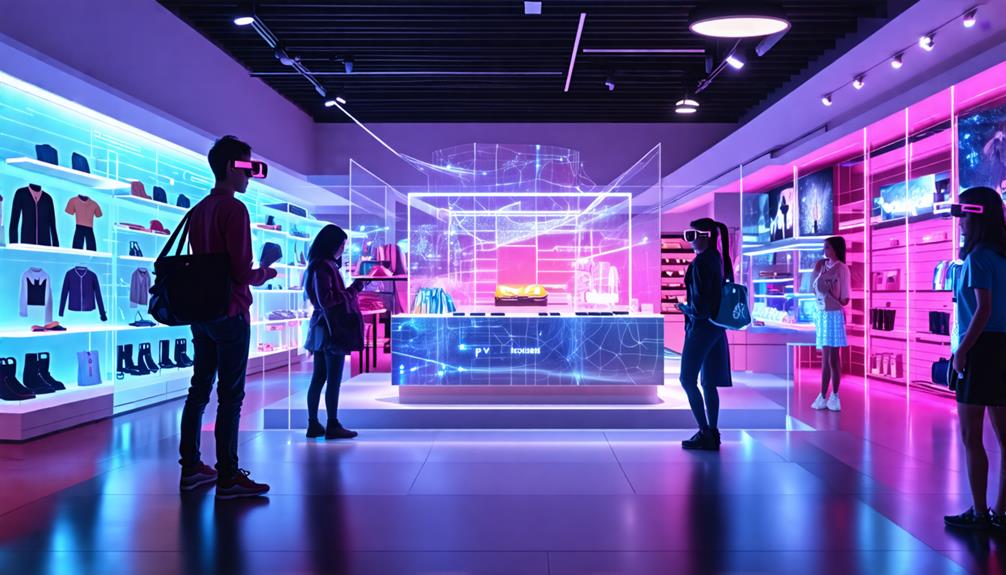
Augmented Reality (AR) significantly enhances customer engagement by creating interactive and captivating shopping experiences. Studies indicate that AR experiences attract 41% more consumer attention than traditional methods, underscoring their effectiveness in maintaining interest.
One compelling feature is the ability to visualize products in your own space before purchasing. This not only boosts your confidence but also increases the likelihood of making a purchase by up to 200%. Personalized recommendations through AR further tailor the shopping experience to individual preferences and needs, enhancing engagement.
Retailers using AR for product customization have reported a remarkable 94% increase in conversion rates. This means that integrating AR not only improves customer engagement but also drives more sales. Offering real-time customization and interactive experiences reduces uncertainty and enhances satisfaction, making the shopping process more fulfilling.
With 66% of consumers interested in using AR for shopping, it's evident that this technology is a powerful tool for improving customer engagement and transforming the shopping experience.
Reducing Return Rates
Augmented Reality (AR) technology significantly reduces return rates by enhancing product visualization and fitting accuracy. With real-time adjustments and personalized fitting solutions, customers can see precisely how products will look and fit, aligning expectations with reality. This engaging experience ensures informed purchasing decisions, thereby minimizing buyer's remorse and enhancing customer satisfaction.
Enhanced Product Visualization
Augmented Reality (AR) is revolutionizing product visualization by allowing customers to interact with 3D models in real-time, significantly reducing uncertainty in purchasing decisions. This enhanced visualization enables customers to see products in their actual environment, whether it's furniture in their living room or a pair of glasses on their face. By offering an engaging shopping experience with interactive content, AR helps minimize the likelihood of returns.
Virtual try-on technologies use advanced facial mapping to provide a realistic preview of how clothing and accessories will look on you. This not only boosts your confidence in purchasing but also bridges the gap between online browsing and physical shopping. Research indicates that AR try-on features can decrease return rates by over 25%, making them a valuable asset for the retail industry.
Shopify stores that incorporate AR content experience a 94% increase in conversion rates, demonstrating the effectiveness of this technology in driving sales. With AR, you're not just customizing a product; you're making a more informed decision. This leads to higher customer satisfaction and fewer returns, ultimately transforming the shopping experience and product customization process.
Real-Time Adjustments
In the digital age, real-time adjustments enabled by AR technology offer unparalleled customization, significantly reducing the uncertainty often associated with online shopping. By visualizing product customizations, such as color and size, directly within your environment, AR technology enhances the online shopping experience. This engaging method reduces return rates by over 25%, as customers gain a clearer understanding of how products will look and fit in real life.
The ability to make instant adjustments fosters greater engagement and confidence, leading to more informed purchasing decisions. Shopify reports a 94% increase in conversion rates for stores using AR features, directly correlating with reduced returns due to improved customer satisfaction. Virtual fitting rooms and furniture placement tools offer a more interactive and personalized shopping experience, enhancing overall customer satisfaction.
Here's a summary of how AR technology benefits both retailers and shoppers:
| Benefit | Impact on Retailers | Impact on Shoppers |
|---|---|---|
| Real-time adjustments | Reduced return rates | Better product visualization |
| Engaging shopping experience | Increased customer engagement | Enhanced shopping experience |
| Product customization | Improved conversion rates | Personalized shopping approach |
| Virtual fitting rooms | Higher customer satisfaction | Accurate fit and size assessment |
| Improved customer experience | Lower operational costs | Increased purchasing confidence |
Personalized Fitting Solutions
Imagine the frustration of ordering clothes online only to find they don't fit as expected. Personalized fitting solutions using Augmented Reality (AR) can dramatically reduce such issues. With AR virtual try-on tools, like Google's generative AI for apparel, you can visualize how different styles, colors, and sizes appear on your own body. Advanced facial mapping and body models provide a more accurate fitting experience, which can reduce return rates by over 25%.
Retailers that integrate these AR fitting solutions can see purchase likelihood increase by up to 200%. Interactive 3D product models help you understand size and fit better, leading to more informed purchasing decisions. This improved visualization boosts your confidence in your choices, increasing overall satisfaction.
Personalized fitting solutions not only minimize uncertainties associated with size and fit but also enhance customer engagement and loyalty. By seeing how products look in real-time, you're more likely to make a purchase and less likely to return it. The integration of AR fitting tools in retail significantly improves your shopping experience, making you a more satisfied and loyal customer.
Implementing AR Solutions
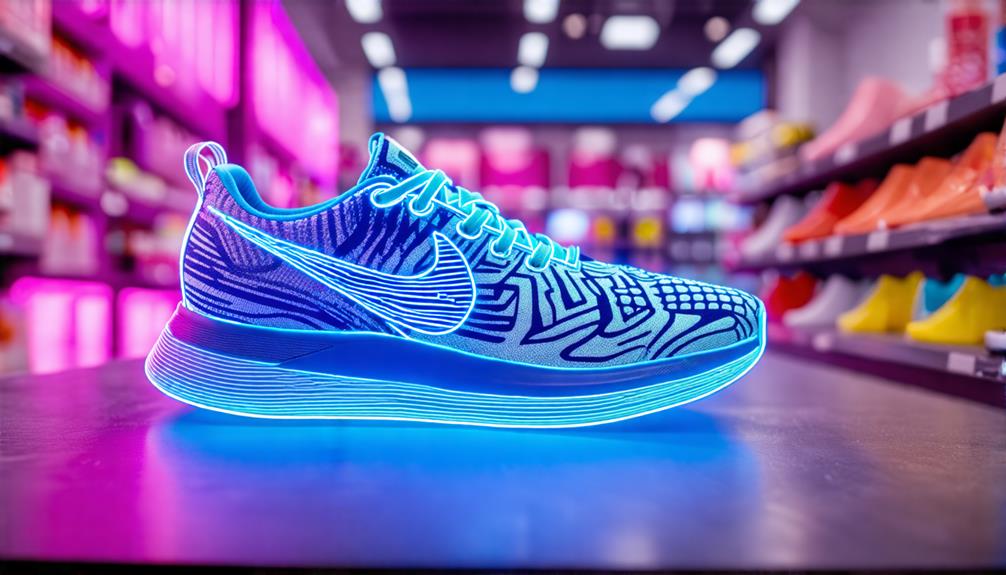
Selecting the right AR platform is crucial for your business. Integration with your existing eCommerce systems ensures a seamless user experience, making it easier for shoppers to utilize customization options provided by AR technology. Effective integration captivates and engages customers, enhancing their shopping experience.
Prioritize platforms with intuitive user interfaces. Given that 66% of consumers are interested in using AR for shopping, your AR features need to be clear and user-friendly. Promoting these features through targeted marketing campaigns can significantly boost adoption rates. For instance, Shopify stores with AR content experience a 94% increase in conversion rates, underscoring the impact of effective AR solutions.
Continuous improvement based on customer feedback is essential. This allows you to refine AR experiences and align them with your business goals. Strategic partnerships with technology providers can also support the deployment of effective AR solutions without the need for substantial in-house resources. By focusing on these strategies, you ensure that your AR implementations not only meet but exceed customer expectations.
Future Trends in AR
As AR technology advances, you can expect highly personalized shopping experiences powered by AI and machine learning, with recommendations tailored to your preferences and behaviors. Retailers will likely expand AR applications to include interactive catalogs and virtual try-ons, making it easier to visualize products in your own environment. These innovations will enhance your shopping experience, reduce return rates, and increase purchase conversions.
AI-Driven Personalization
Leveraging AI-driven personalization in augmented reality (AR) is revolutionizing the shopping experience by enabling real-time product customization. Imagine being able to visualize different styles, colors, and sizes before making a purchase decision. This level of customization increases your confidence and satisfaction, making the shopping experience more enjoyable and engaging.
AI-driven personalization in AR significantly enhances the shopping experience by employing advanced facial mapping and body modeling techniques. Tools like Google's virtual try-on create realistic augmented images that adjust dynamically with your movements. This not only captivates you but also aligns products with your preferences and body measurements, potentially reducing return rates by over 25%.
The engaging nature of personalized AR experiences leads to a 30% increase in online purchase conversion rates. You are more likely to make a purchase when you can interact with products in such a tailored and interactive way. The future of AR in eCommerce will see increased collaboration between AR and AI, offering personalized recommendations that drive customer loyalty and engagement. This seamless integration ensures that your shopping experience is both efficient and enjoyable, setting a new standard in retail.
Expanded AR Applications
In the ever-evolving landscape of augmented reality (AR), future trends promise to revolutionize shopping and product interaction. AR will soon integrate advanced technologies like artificial intelligence (AI) and machine learning to offer personalized recommendations based on your shopping behaviors and preferences. Imagine wearing AR glasses that merge digital overlays with your physical environment, enabling real-time visualization of products as you go about your day.
Retailers will create engaging shopping experiences using digital catalogs that allow you to see products in your own space before purchasing, helping to reduce return rates and increase your confidence in buying decisions. Online shopping will become more social and interactive, resembling virtual shopping malls where you can share AR experiences with friends and family.
As AR technology advances, the creation of high-quality 3D models will become more streamlined, enabling retailers to provide dynamic product visualizations. This will enhance your user experience and make product customization more interactive and satisfying. With these advancements, shopping will become more engaging and tailored to your needs, making each purchase feel uniquely yours.
Related posts