Augmented Reality Shopping Experiences: Enhancing Customer Engagement
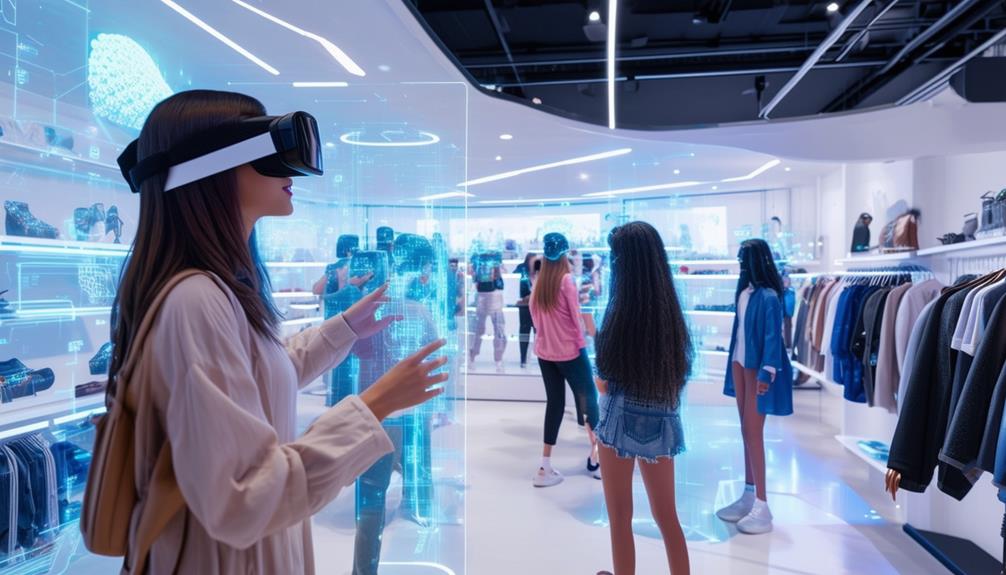
Imagine exploring a virtual store where you can try on clothes, visualize furniture in your living room, or test out makeup, all without stepping outside your home. Augmented Reality (AR) shopping experiences offer this seamless blend of digital and physical worlds, creating an immersive and interactive shopping journey. These experiences significantly impact customer engagement and satisfaction. Companies leverage AR to not only capture your interest but also boost sales and enhance brand loyalty.
Understanding Augmented Reality
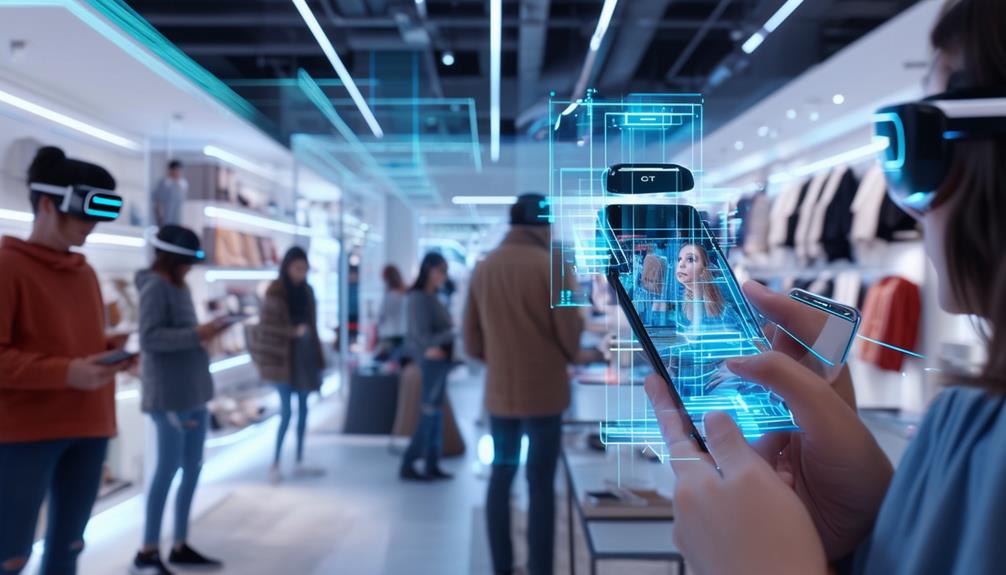
Augmented Reality (AR) enhances everyday experiences by merging digital elements with the physical world. For instance, imagine browsing an online store and visualizing products in your home before purchasing them. This is the significance of AR. It offers immersive experiences that transform mundane online shopping into interactive adventures. Instead of just viewing a static image, AR allows you to engage with a dynamic, lifelike representation of the product.
By integrating AR into online shopping, companies can significantly enhance customer engagement. You are more likely to be captivated by a product when you can see it in your own space and interact with it as if it were physically present. This immersive experience enables better-informed decisions, fostering confidence and satisfaction with purchases.
Tim Cook envisions AR becoming an integral part of daily life, transforming shopping, work, and play. It blurs the lines between digital and physical worlds, opening up endless possibilities. Understanding AR's potential reveals how it transforms standard online shopping into an extraordinary experience, making it a staple in future customer interactions.
Benefits of AR in Shopping
Augmented Reality (AR) in shopping offers numerous benefits that enhance the overall customer experience. One of the standout advantages is its ability to reduce purchase anxiety. By enabling virtual try-ons, customers can see how products look on them or in their homes, facilitating more informed decisions. This immersive experience not only boosts confidence in purchasing but also speeds up the decision-making process.
AR also enriches customer engagement by allowing users to visualize products in their own surroundings before making a purchase. For instance, placing a digital couch in your living room to see how it fits and looks is an interactive experience that blurs the lines between physical and digital spaces. This offers endless possibilities for personalization and customization.
Moreover, AR transforms traditional sales materials into engaging, memorable experiences. Interactive product demonstrations capture attention and make shopping more enjoyable, often leading to increased conversion rates. Essentially, AR offers a digital showroom experience, making customers feel as though they are exploring products in real-time, thereby enriching the overall shopping adventure.
AR in Pre-Sale Engagement
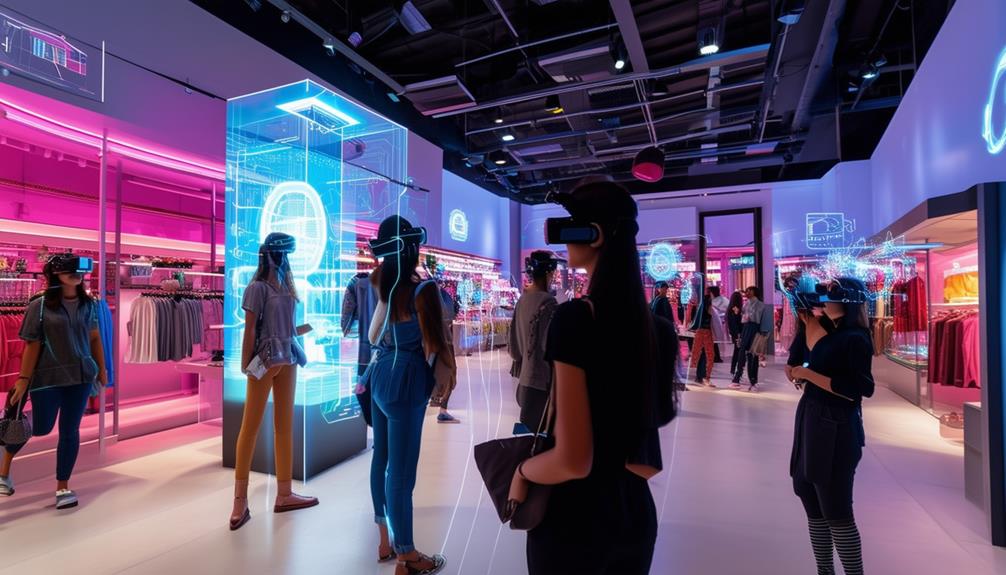
By incorporating AR in pre-sale engagements, you can virtually try on products, visualize them in your own space, and access interactive product demos that showcase features in real-time. This technology simplifies your decision-making process. Additionally, immersive store navigation helps you find what you need, enhancing your overall shopping experience.
Virtual Try-On Tools
Virtual try-on tools allow you to see how clothing, accessories, and makeup will look on you before you make a purchase. Utilizing Augmented Reality, these tools offer an immersive experience, enabling more informed buying decisions. Brands such as Warby Parker and Sephora have adopted this technology to enhance customer engagement and provide personalized shopping experiences.
These tools go beyond merely displaying how a product looks; they create interactive experiences that make shopping enjoyable and engaging. The outcome? Increased sales and higher customer satisfaction. Studies indicate that conversion rates can rise by up to 300% when customers use AR try-on tools, and fewer returns mean you can shop with greater confidence.
Here's how virtual try-on tools make a difference:
| Feature | Emotion Evoked | Impact |
|---|---|---|
| Personalized Shopping | Excitement | Improved engagement |
| Immersive Experiences | Delight | Greater satisfaction |
| Interactive Features | Fun | Enhanced interaction |
| Confidence Boost | Assurance | Reduced return rates |
With AR try-on tools, you're not just viewing products; you're experiencing them in a way that feels real and tailored to you. This personalized approach enhances your shopping experience, leading to smarter purchases and happier customers.
Interactive Product Demos
Interactive product demos in augmented reality (AR) allow you to explore and examine products closely, enhancing your confidence before making a purchase. These demos offer an immersive experience that significantly boosts customer engagement by enabling interactions that traditional online shopping cannot provide. Imagine seeing how a piece of furniture fits in your living room or how a gadget operates in real-time—all from the comfort of your home.
Here's how interactive product demos in AR can revolutionize your shopping experience:
- Virtual Try-On: Virtually try products like clothes, glasses, or makeup to ensure they match your style before purchasing.
- Realistic Visualization: View products in your actual environment, reducing uncertainty and making online shopping more reliable.
- Instant Feedback: Receive immediate insights into product features, allowing you to make informed decisions quickly.
- Enhanced Engagement: Interact with products in a gamified manner, increasing engagement and the likelihood of completing a purchase.
Brands that leverage AR for interactive product demos often experience higher conversion rates and increased sales. By offering a more engaging and immersive experience, these brands can significantly improve pre-sale customer engagement.
Immersive Store Navigation
Augmented reality (AR) enhances store navigation by enabling you to explore and interact with products in your own space before making a purchase. This immersive technology helps you visualize how items will fit into your physical environment, making it easier and more enjoyable to decide what to buy. By virtually trying out products, you can reduce your decision-making time and feel more confident in your choices.
Retailers are utilizing AR to create a personalized and interactive shopping experience. You can navigate store layouts and explore offerings from the comfort of your home, leading to higher customer engagement and satisfaction. Imagine being able to see how a piece of furniture fits in your living room or how a new outfit looks on you without stepping outside.
Key Benefits of AR in Shopping:
| Benefit | Description |
|---|---|
| Visualize Products | See items in your own space before buying |
| Try Out Products | Virtually test products on yourself or in your environment |
| Personalized Experience | Customized interactions based on your preferences |
| Higher Engagement | Increased customer interaction and satisfaction |
| Reduced Decision Time | Faster, more confident purchase decisions |
AR at Point of Purchase
At the point of purchase, AR revolutionizes shopping by allowing you to try on products virtually and receive personalized recommendations in real-time. Imagine positioning a piece of furniture in your living room or trying on makeup without physically applying it. This technology, called AR at point of purchase, creates immersive shopping experiences that simplify and enhance decision-making.
AR alleviates purchase anxiety by offering interactive 3D models, enabling you to examine products from every angle. Companies like IKEA and Sephora are at the forefront of using AR to help you visualize products in your own space or on your face. This innovation results in higher conversion rates and increased customer satisfaction. Here's how AR at point of purchase can elevate your shopping experience:
- Virtual try-ons: Try on clothes, makeup, or accessories virtually before making a purchase.
- Personalized recommendations: Receive suggestions tailored to your preferences and past purchases.
- Interactive 3D models: View and interact with products in 3D to better understand their features.
- Reduced purchase anxiety: Gain confidence in your purchase decisions, minimizing the likelihood of returns.
AR in Post-Sale Support
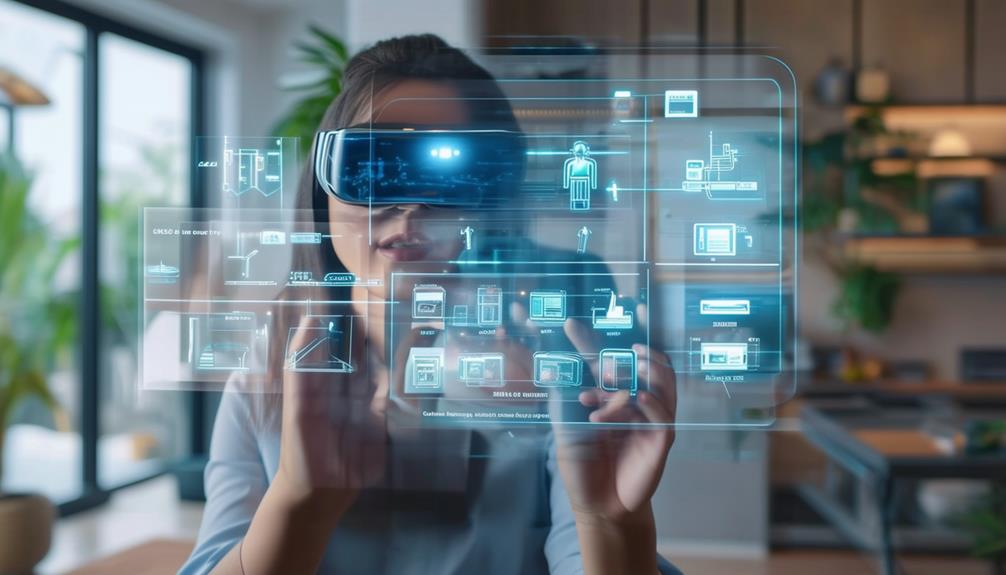
Enhancing the seamless shopping experience, AR in post-sale support ensures you receive the help you need even after making a purchase. With AR post-sale support, you can access interactive user manuals and self-service tools, simplifying the troubleshooting process without the need to contact customer service. This feature significantly boosts customer satisfaction by offering immediate, visual solutions at your fingertips.
Imagine you've just bought a new outfit. Thanks to virtual dressing rooms and try-before-you-buy experiences, you already know it fits perfectly. But what if you need styling tips or care instructions? AR technology steps in, providing interactive guides and suggestions, ensuring you maximize your purchase. This level of post-sale engagement not only enhances your confidence in your buying decision but also encourages repeat purchases.
Moreover, AR post-sale support helps reduce cart abandonment. Knowing that post-purchase assistance is readily available makes you more likely to complete your transaction. In essence, AR technology not only enhances customer engagement but also ensures long-lasting satisfaction, making your shopping experience truly comprehensive.
Personalizing Shopping With AR
By leveraging the power of Augmented Reality (AR), retailers can provide bespoke shopping experiences that resonate with each unique customer. Imagine entering a store and receiving personalized AR recommendations based on your individual preferences and past purchases. This level of customization not only simplifies shopping but also enhances customer satisfaction and loyalty, ultimately boosting retention rates.
Gen Z consumers, in particular, are enthusiastic about these personalized shopping experiences. Remarkably, 92% of them desire AR tools when shopping online. By catering to this demand, you're not just staying ahead of trends; you're also enriching customer interactions and creating a more engaging shopping journey.
Consider these advantages:
- Personalized Product Recommendations: AR can suggest products aligned with your style and needs, making each shopping trip more effective.
- Improved Visualization: "Try before you buy" with virtual fitting rooms or home decor previews, enhancing confidence in your purchases.
- Interactive Shopping: Engage with products dynamically, making the shopping experience more enjoyable and memorable.
- Loyalty and Retention: Satisfied customers are loyal customers. Personalized AR experiences lead to higher satisfaction and retention rates.
Embrace AR personalization and transform the way you connect with your customers.
AR's Impact on Conversion Rates
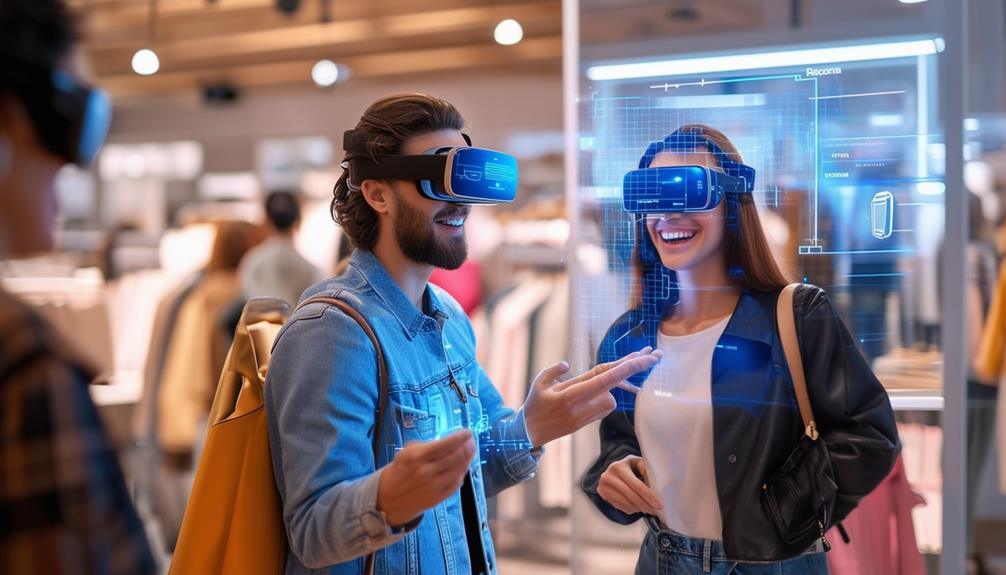
How does AR revolutionize shopping to significantly increase conversion rates? By incorporating AR technology into your e-commerce platform, you can transform the shopping experience and dramatically boost your conversion rates. For instance, AR-enhanced product visualization enables customers to see items in their own space, which can substantially increase their likelihood of making a purchase. When shoppers can better visualize products, they gain confidence, leading to higher conversion rates.
Statistics show that AR users spend 20.7% more time on websites and view 1.28 times more products, naturally increasing the chances of conversion. In fact, AR technology can enhance online purchase conversion rates by nearly 30%. Additionally, 57% of consumers are more inclined to buy from brands that offer these immersive experiences, giving your business a competitive edge.
Furthermore, AR offers a unique way to differentiate your brand from competitors, attracting tech-savvy shoppers who value innovative shopping solutions. By implementing AR, you not only enhance the shopping experience but also directly impact your bottom line with higher conversion rates and increased sales.
Popular Brands Using AR
Leading innovators like IKEA, Sephora, and Adidas are setting new standards with their AR shopping experiences. These brands demonstrate how AR can revolutionize shopping by making it more interactive and personalized. Let's explore their success stories to see how they have creatively integrated AR into their strategies.
Leading Innovators in AR
Leading brands like Nike, H&M, IKEA, and Pepsi are revolutionizing the shopping experience with cutting-edge augmented reality (AR) technology. These innovators are redefining how customers interact with products, making shopping more engaging and convenient.
Nike employs AR for virtual try-ons, allowing customers to see how sneakers look on their feet without setting foot in a store. This interactive approach enriches customer engagement and personalizes the purchasing process. H&M uses AR to offer product customization and virtual fitting rooms, enabling customers to try on clothes in a virtual environment and ensure a perfect fit before purchasing.
IKEA's AR room planning tools let customers visualize how furniture will look in their homes, aiding confident buying decisions and reducing the likelihood of returns. This elevates sales, enhances brand visibility, and boosts customer satisfaction. Pepsi leverages AR in its advertising campaigns, creating interactive experiences that engage and captivate consumers.
Here's how these brands are using AR:
- Nike: Virtual try-ons for sneakers.
- H&M: Virtual fitting rooms and product customization.
- IKEA: AR room planning tools for furniture visualization.
- Pepsi: Interactive AR advertising campaigns.
These examples demonstrate how AR is transforming shopping experiences and driving customer engagement to new heights.
AR Shopping Success Stories
Many popular brands have achieved remarkable success by integrating augmented reality into their shopping experiences. Nike, for instance, implemented AR in their app, allowing customers to try on sneakers virtually. This innovation led to a 200% increase in conversion rates, highlighting the effectiveness of AR in boosting customer engagement.
Similarly, H&M introduced AR mirrors in select stores, enabling shoppers to try on virtual outfits. This creative approach resulted in a 600% increase in customer engagement, solidifying H&M's position as a leader in AR shopping experiences.
IKEA's AR app allows customers to visualize furniture in their homes, contributing to a 98% decrease in returns and a 2.3 times increase in conversion rates. This example underscores how augmented reality can enhance customer satisfaction and brand loyalty.
Sephora's AR feature, which enables users to try on virtual makeup, has driven a 2.5 times increase in app downloads and a 30% rise in conversion rates. This demonstrates the power of virtual try-on technology in attracting and retaining customers.
Even in the beverage industry, PepsiCo utilized AR in a campaign, resulting in a 4.4% increase in product sales and a 14% increase in brand recall. These AR shopping success stories illustrate the transformative potential of augmented reality in enhancing customer engagement across various sectors.
Challenges of AR Implementation
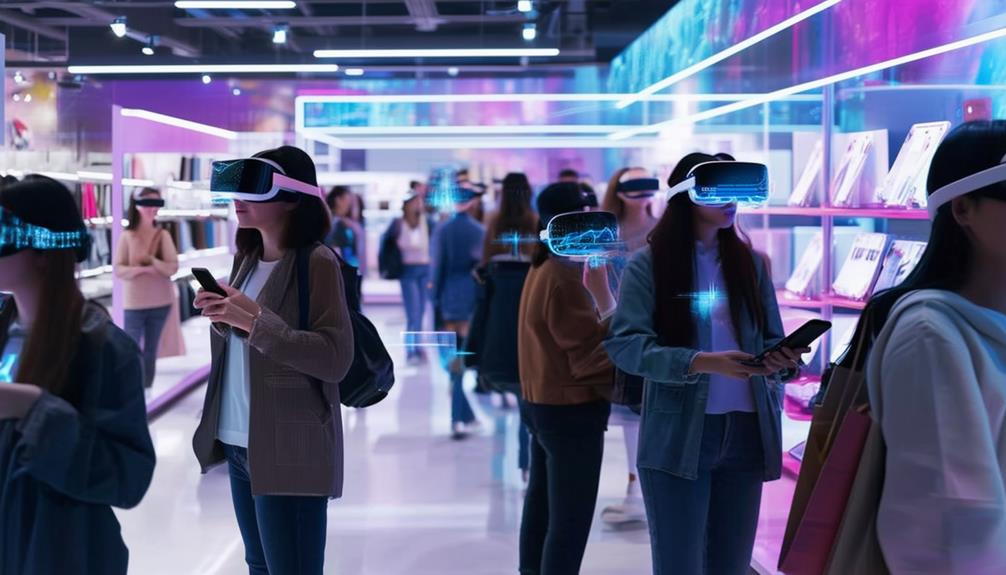
Implementing AR in e-commerce presents significant challenges, ranging from technology investments to ensuring device compatibility. When considering AR implementation, you must prepare for various hurdles that can impact the success of your augmented reality shopping experiences.
- Technology Investment: AR implementation requires substantial technology investments. Resources must be allocated for both software and hardware to support AR features effectively.
- Seamless Integration: Integrating AR into your existing e-commerce platform can be complex. Collaboration with developers and IT professionals is essential to ensure your AR features work seamlessly with your current system.
- Compatibility Issues: Device compatibility issues may arise because customers use a variety of devices, from smartphones to tablets. Your AR features need to function consistently across these different platforms.
- Content Creation and Consumer Education: High-quality content creation is crucial for engaging AR experiences. Additionally, consumer education is necessary to ensure customers understand how to use your AR features to enhance their shopping experience.
Future of AR in Retail
Imagine walking into a virtual store where you can try on clothes in a virtual fitting room or receive personalized shopping recommendations based on your preferences. Augmented Reality (AR) is set to make these experiences a reality, transforming how you shop. With its potential to create engaging and interactive experiences, the future of retail is heading towards a more immersive and tailored experience, enhancing customer satisfaction and driving sales.
Personalized Shopping Journeys
Augmented reality (AR) is transforming retail by creating personalized shopping experiences tailored to each customer's unique preferences. With AR technology, retailers can offer customized product recommendations based on individual behaviors and past purchases, enhancing customer engagement and satisfaction. Imagine walking into a store and having an interactive experience designed specifically for you—this is the power of hyper-personalized experiences enabled by AR.
Here's how AR technology can elevate your shopping experience:
- Customized Product Recommendations: AR analyzes your purchase history and preferences to suggest products you'll love.
- Interactive 3D Experiences: Engage with products in a virtual environment, allowing you to visualize how they fit into your life before buying.
- Increased Customer Engagement: Personalized AR experiences make you feel valued, encouraging brand loyalty.
- Enhanced Brand Connection: A unique shopping experience fosters a strong connection to the brand, increasing the likelihood of repeat visits.
These hyper-personalized experiences are not just a future concept; they are revolutionizing how you interact with brands today, driving both sales and brand loyalty.
Virtual Fitting Rooms
Virtual fitting rooms are revolutionizing the retail industry by allowing customers to try on clothes virtually, guaranteeing a perfect fit before making a purchase. Leveraging Augmented Reality (AR) technology, these virtual fitting rooms let users visualize how garments will look on them without needing to visit a physical store. This innovation not only enhances the online shopping experience by providing a highly personalized and interactive way to shop but also saves valuable time.
AR technology enables virtual fitting rooms to offer accurate sizing and styling recommendations, boosting customer confidence in their buying decisions. Retailers have observed a notable reduction in returns and increased customer satisfaction, thanks to this advanced tool. Shoppers no longer need to deal with the inconvenience of ordering multiple sizes or returning ill-fitting clothes, resulting in a smooth and engaging shopping experience.
As this trend gains momentum in the retail sector, virtual fitting rooms are becoming essential for boosting customer engagement. They deliver a tailored shopping experience that addresses individual needs, making online shopping more convenient and enjoyable. The future of shopping is here, driven by AR-powered virtual fitting rooms.
Conclusion
Augmented reality (AR) shopping experiences significantly enhance customer engagement by reducing purchase anxiety and offering personalized interactions. AR boosts confidence and satisfaction from pre-sale engagement to post-sale support, leading to higher conversion rates. Despite some challenges, the future of AR in retail is promising, with leading brands already adopting this technology. Embrace AR now for a more immersive and rewarding shopping experience.
Related posts