Creating Accessible Content With Your CMS

When creating content with your CMS, ensuring accessibility is not only a legal obligation but also an essential practice to make your digital space inclusive for all users. Practical steps such as using descriptive alt text for images, organizing content with clear headings, and adding captions to videos are fundamental. However, accessibility goes beyond mere compliance.
How can you leverage your CMS's features to streamline the process and create truly inclusive content? Let's explore the key practices and tools that can help you achieve this effectively.
Importance of Accessibility
The significance of accessibility in digital content cannot be overstated. By ensuring your website is accessible, you enable individuals with diverse abilities to navigate and utilize it effectively. This not only enhances the overall user experience but also fosters inclusivity. Adhering to accessibility standards such as the Web Content Accessibility Guidelines (WCAG) and Section 508 helps you meet ethical obligations while expanding your audience reach. This can result in increased engagement and a larger potential customer base.
Moreover, digital accessibility is a legal requirement. Compliance with these standards mitigates legal risks and penalties, safeguarding your organization against potential lawsuits. Assistive technologies allow individuals with disabilities to interact with your website on an equal footing with others, thereby improving usability for everyone.
Prioritizing accessibility in content creation elevates user satisfaction and enhances your brand's reputation. It can also positively impact your search engine optimization (SEO) performance, making your content easier to find. In essence, focusing on digital accessibility benefits not only those with disabilities but also improves the general functionality and reach of your website.
Responsibilities of CMS Authors
Recognizing the crucial role of accessibility underscores the important responsibilities of CMS authors. As a CMS author, you are tasked with creating content that adheres to accessibility best practices, ensuring that your text, images, and multimedia are inclusive and accessible to all users. This involves adding descriptive alt text to images, providing captions or transcripts for videos, and using clear link text and proper heading structures.
To effectively implement these practices, you must complete mandatory CMS Content Accessibility training. This training will equip you with the knowledge to understand and apply accessibility guidelines such as the Web Content Accessibility Guidelines (WCAG), which are essential for identifying and eliminating barriers in your content. Regular updates and reviews are necessary to keep your content compliant with evolving accessibility standards, ensuring that your website remains accessible and usable for all users.
| Responsibility | Description | Importance |
|---|---|---|
| Creating Accessible Text | Using clear link text and proper heading structures | Enhances readability and navigation |
| Adding Alt Text to Images | Providing descriptive alt text | Ensures images are accessible to screen reader users |
| Captions/Transcripts for Videos | Adding captions or transcripts to multimedia | Makes multimedia content accessible to hearing-impaired users |
| Regular Content Updates | Keeping content compliant with evolving standards | Ensures ongoing accessibility and usability |
Key Accessibility Components
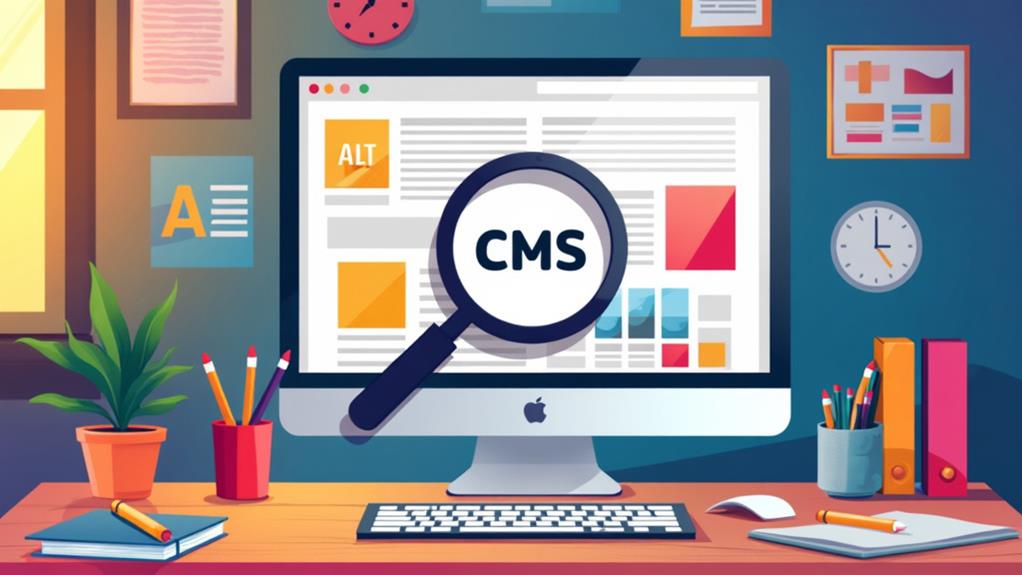
When designing accessible content, focusing on key accessibility components ensures your work is inclusive and user-friendly. Initially, verify each webpage has a unique and clear page title. This helps users understand the content's purpose and improves navigation within your content management system (CMS).
Organize content logically using headings in proper descending order (e.g., H2 for main sections, H3 for subsections). This aids screen reader users in navigating through accessible documents more efficiently. Your link text should clearly describe the destination or action, avoiding vague phrases like "click here." Clear link text improves user understanding and navigation, aligning with WCAG 2.1 Level AA standards.
Incorporate alternative text for all images. Descriptive alt text provides context for visually impaired users, including details for decorative images when appropriate. This is one of the essential accessibility features that cannot be overlooked. Moreover, verify the proper use of color contrast and font size in text elements to improve readability for users with visual impairments. Following these principles ensures your content meets accessibility standards and provides an inclusive experience for all users. By focusing on these key accessibility components, you'll make your CMS content truly accessible.
Multimedia Accessibility
Ensuring multimedia accessibility is crucial for fostering an inclusive digital environment. By incorporating captions or transcripts for all spoken dialogue, you make content accessible to individuals who are deaf or hard of hearing. This step aligns with accessibility standards and enhances user experience.
For users with visual impairments, providing audio descriptions in videos is essential. These descriptions narrate key visual elements, helping users fully understand the content. Additionally, infographics should include comprehensive text explanations alongside visual data, ensuring that everyone, regardless of their ability to see the graphics, can grasp the information.
When using color in graphics, avoid relying solely on color to convey information. Instead, use alternative cues like patterns or labels. This approach ensures accessibility for individuals with color vision deficiencies and maintains a consistent standard of multimedia accessibility.
Consistency in these practices across all your content is important. It creates an inclusive environment and enhances the overall user experience. By adhering to these accessibility standards, you not only comply with legal requirements but also promote a more welcoming digital space for all users.
Training and Resources

To ensure you are equipped with the skills needed to create accessible content, access NYU's online CMS Content Accessibility training modules. The Digital Accessibility Program provides regularly updated resources and tutorials to keep you informed about the latest standards. Make it a habit to review component tutorials frequently to effectively implement specific accessibility guidelines in your CMS.
Online Accessibility Training Modules
Navigating the complex landscape of digital content creation, NYU's Digital Accessibility Program offers essential online CMS Content Accessibility training. This mandatory training ensures all CMS authors adhere to web accessibility standards, incorporating best practices to help you create inclusive content. The curriculum covers the effective use of headings, alt text for images, and descriptive link text—critical elements for accessible content.
The interactive, self-paced modules enhance your understanding of maintaining accessibility within your CMS. Regular updates and resources keep you informed about new accessibility standards and best practices, ensuring your skills stay current. Completing this training not only elevates your digital content but also promotes a culture of accessibility within your organization.
Here's an overview of the training modules:
| Module Topic | Description | Importance |
|---|---|---|
| Headings | Proper use of headings in content | Enhances structure and readability |
| Alt Text | Adding alt text to images | Ensures images are accessible |
| Descriptive Links | Creating descriptive link text | Improves navigation and clarity |
| Updates and Resources | Regular updates on standards | Keeps you current |
| Interactive Learning | Self-paced learning modules | Flexible and engaging |
Access to Component Tutorials
How can you efficiently create accessible digital content? One effective strategy involves leveraging the online tutorials provided through your content management system (CMS). These tutorials are indispensable for understanding and implementing accessibility features, covering essential topics such as creating accessible text, images, and multimedia content. By following the guidelines developed by experts, you ensure that all users can perceive and interact with your content.
NYU's Digital Accessibility Program consistently updates these resources to keep you informed about the latest best practices and technical standards. This ongoing learning process allows you to continually improve your skills in creating compliant digital content. The step-by-step guides within these tutorials break down complex processes, making it easier to apply accessibility guidelines across various content management scenarios.
To maximize the benefits, it is advisable to frequently review the available tutorials. This continual engagement is crucial for mastering the CMS's accessibility features and adhering to the most current standards. The more you engage with these resources, the more adept you will become at creating content that is accessible to everyone.
Legal Requirements
Navigating the landscape of accessibility laws is essential for any organization to comply with legal standards and avoid penalties. Digital accessibility requirements vary by region, each with specific mandates. For example, the Rehabilitation Act mandates federal agencies to ensure their electronic and information technology are accessible to individuals with disabilities. Section 508 of this Act sets forth legal requirements for accessibility compliance.
To ensure compliance with these standards:
- Use an Accessibility Checker: Regularly audit your content for adherence to the Web Content Accessibility Guidelines (WCAG).
- Stay Updated on Laws: Recognize that the EU Web Accessibility Directive requires public sector websites to meet stringent accessibility standards.
- Comply with Canadian Laws: The Accessible Canada Act mandates federally regulated organizations to implement digital accessibility measures.
Non-compliance is not just a legal issue; it can result in significant fines, starting at $55,000 for initial violations under Section 508. Regularly updating your digital content is crucial to maintaining compliance with these laws. By doing so, you ensure ongoing accessibility for all users and protect your organization from legal repercussions.
CMS Accessibility Features
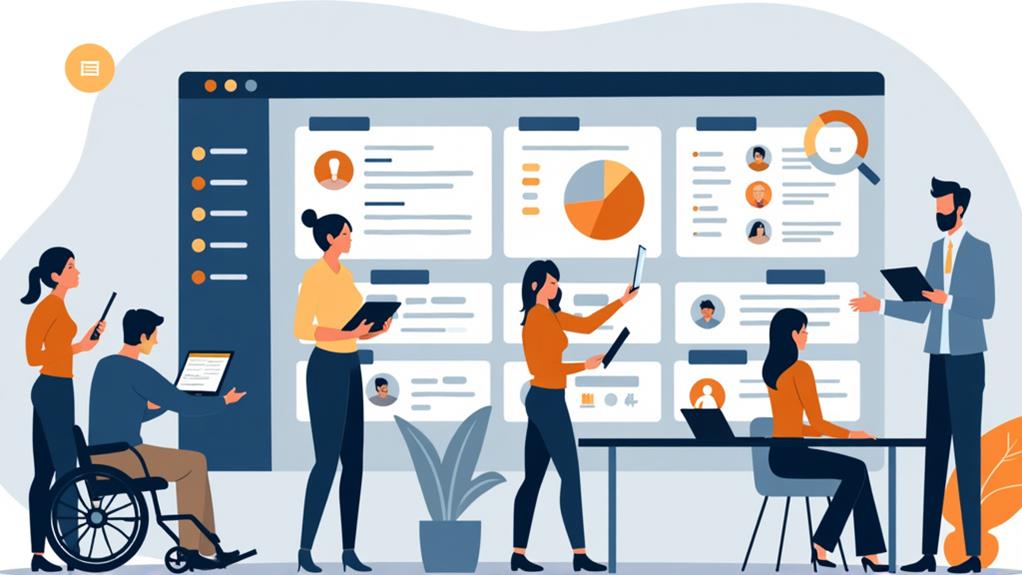
Leveraging the accessibility features of your Content Management System (CMS) can significantly enhance the inclusivity of your digital content. Most CMS platforms come with an Accessibility Checker tool that identifies issues and recommends corrections, helping you adhere to accessibility standards. Regular use of this tool ensures your content remains compliant and user-friendly.
A crucial feature to utilize is the accessibility editor. This tool enables you to add and edit alt text for images and provide captions for videos, ensuring your content is accessible to all users, including those using screen readers.
Many CMS platforms also offer pre-designed accessibility templates. These templates comply with web accessibility standards, simplifying the creation of accessible content without requiring extensive technical expertise.
To further improve your CMS accessibility, consider integrating accessibility plugins. These plugins can offer features such as keyboard navigation support and enhanced screen reader compatibility, making your site more navigable for users with disabilities.
Creating and Testing Content
Crafting accessible content requires a thoughtful approach to ensure all users can engage with your material effectively. When you create web content, start by ensuring all images include descriptive alt text, which enhances usability for people with disabilities who rely on screen readers. Structure your content hierarchically using headings (H2, H3) in descending order to facilitate easier navigation with assistive technologies.
To maintain accessibility, adhere to these steps:
- Utilize Accessible Templates: Choose CMS templates designed with accessibility in mind. These templates often come with built-in features that cater to a wide array of accessibility needs.
- Employ Testing Tools: Before publishing, use your CMS's built-in accessibility checkers to identify issues. Complement this with automated tools like WAVE or Lighthouse, and manual techniques such as keyboard navigation to ensure thorough testing.
- Ongoing Review: Accessibility isn't a one-time task. Regularly review your content elements to address any new challenges that may arise, ensuring continuous usability for all users.