Geotargeting and Location-Based Marketing: A Comprehensive Guide
Have you ever wondered how businesses seem to know exactly where you are and what you might be interested in at any given moment? This is the result of advanced geotargeting and location-based marketing strategies. These technologies have evolved from basic IP targeting to sophisticated GPS-based systems, significantly enhancing customer engagement and ROI. In this guide, we'll explore how to implement these strategies effectively, ensuring privacy and compliance, and offering practical insights to transform your marketing approach. Interested in how context and relevance play a role? Read on to discover more.
Evolution of Geotargeting
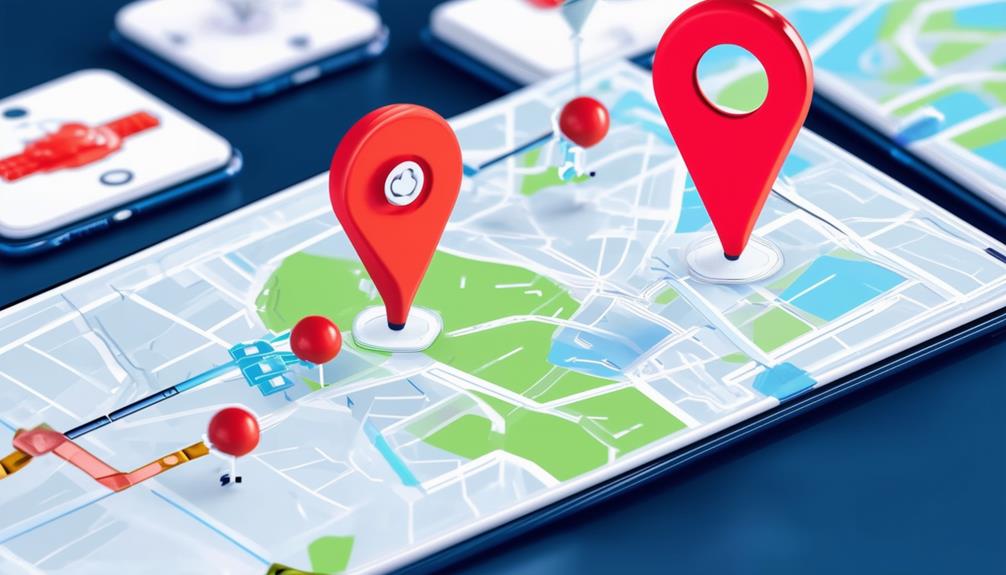
Over the years, geotargeting has evolved from simple IP address-based location approximation to utilizing advanced GPS, Wi-Fi, and cellular networks for precise targeting. Initially, businesses could only estimate a user's location through IP addresses, resulting in broad and less effective targeting. However, advancements in geotargeting have significantly enhanced audience engagement.
Today, GPS technology allows for accurate real-time location tracking, enabling highly targeted marketing campaigns. This precision has introduced innovative techniques such as geofencing and proximity marketing. Geofencing involves setting virtual boundaries to trigger personalized ads when users enter specific locations. Proximity marketing goes further by using Bluetooth-enabled devices to interact with users' mobile devices, improving customer engagement even in indoor settings.
The transition from basic IP address targeting to these advanced technologies has revolutionized mobile marketing. Now, businesses can deliver highly relevant, personalized ads based on customers' real-time locations. This evolution not only enhances the effectiveness of marketing efforts but also fosters deeper customer engagement and loyalty through more meaningful interactions.
Benefits of Geotargeting
Geotargeting significantly enhances ad relevance by delivering personalized content based on users' locations. By leveraging geotargeting, you can tailor marketing messages to specific audiences, ensuring they receive content that resonates with them. This precise targeting increases the relevance of your ads, naturally leading to higher customer engagement. In fact, 86% of marketers have reported growth in their customer base through geotargeting strategies.
Using location-based tools like geofencing, you can concentrate your efforts on areas where your potential customers are most active. This approach not only helps in reaching specific audiences but also maximizes the impact of your marketing campaigns. Nearly 90% of marketers have observed higher sales when incorporating geotargeting, underscoring its effectiveness.
The advantages of geotargeting extend beyond increased relevance and engagement. It enables you to make informed decisions about resource allocation, ensuring optimal return on investment. By delivering personalized content that addresses your audience's needs and interests, you foster a stronger connection with your customers, driving both loyalty and revenue.
Geotargeting Strategies
When developing geotargeting strategies, prioritize localized ad campaigns and proximity marketing techniques. Tailoring your ads to specific regions ensures greater resonance with local audiences. Additionally, proximity marketing can boost engagement by targeting users based on their immediate location, providing timely and relevant promotions.
Localized Ad Campaigns
Localized ad campaigns can significantly enhance your marketing effectiveness by employing geotargeting strategies that reach specific audiences based on their geographic locations. Geotargeting enables the delivery of tailored ads to users in designated areas, ensuring high relevancy and engagement. Research indicates that geotargeted ads can yield a 40% higher conversion rate compared to non-targeted ads.
Focusing on specific locations can also boost foot traffic to your business by 24%, attracting more potential customers. Additionally, these strategies enhance customer engagement and loyalty, with businesses experiencing a 73% increase in these metrics when using geotargeting.
Geotargeted ads allow you to reach the right audience rather than just a broad one. This approach can lead to a 200% increase in click-through rates. By understanding and implementing localized ad campaigns, you deliver highly relevant content to potential customers, increasing the likelihood of engagement with your business. Consequently, this improves your marketing effectiveness, ensuring that your efforts produce tangible results.
Proximity Marketing Techniques
Harnessing proximity marketing techniques can transform customer engagement by utilizing their real-time location data. By implementing advanced geotargeting strategies, you can deliver highly personalized and timely messages. Here's how to apply these techniques effectively:
- Geofencing: Create virtual boundaries to target specific audiences within defined geographical areas. When users enter or exit these areas, they receive targeted ads or promotions.
- Location-based push notifications: Send alerts or messages to users based on their proximity to a specific location, driving foot traffic to your store or event.
- Signal transmitters and AR technology: Utilize signal transmitters or augmented reality (AR) to enhance in-store experiences. These tools can deliver targeted ads and information to users in close physical proximity.
- Geo-conquesting: Target competitors' customers using precise location data to attract them to your own store with compelling offers and promotions.
- Precise location data: Use detailed location information to tailor your marketing messages, making your approach more personalized and effective.
These strategies ensure your marketing efforts are both relevant and timely, enhancing customer engagement and driving business growth.
Implementing Geotargeting
To effectively implement geotargeting, focus on collecting accurate location data using methods such as IP addresses, GPS, and Wi-Fi signals. Establish geofences to create virtual boundaries that trigger specific marketing actions when users enter predefined areas. Adhering to best practices in data privacy and security is essential to maintain user trust and comply with legal standards.
Data Collection Techniques
Businesses collect data for geotargeting through several methods, including IP addresses, GPS signals, Wi-Fi connections, and mobile devices. These techniques help tailor marketing efforts to specific audiences based on their geographical information.
To enhance your geotargeting strategies, consider these data collection methods:
- IP Addresses: Identify the location of users accessing your website or app.
- GPS Signals: Use mobile device GPS data to determine users' real-time locations.
- Wi-Fi Connections: Ascertain user locations through Wi-Fi network data.
- Mobile Devices: Gather location data from smartphones and tablets.
- User Behaviors and Demographics: Examine user interactions and demographic information for more precise targeting.
Using geotargeting, you can gain actionable insights into customer behavior, preferences, and needs. This precise data collection enables targeted marketing strategies, enhancing user engagement and driving sales. By understanding where your audience is and what they're looking for, you can create more relevant marketing campaigns. Implementing geotargeting techniques not only improves your return on investment (ROI) but also fosters a more personalized connection with your customers. Start leveraging these methods today to optimize your marketing efforts.
Geofencing Best Practices
Setting up geofencing effectively involves defining precise virtual boundaries using GPS technology to engage your target audience in real-time. This accuracy ensures that notifications or ads are triggered when users enter or exit the geofenced area, enhancing the chances of driving foot traffic to your business.
To maximize the benefits of geofencing, focus on delivering personalized offers that resonate with your audience. For example, sending relevant promotions based on a user's real-time location can enhance their experience and boost sales. It's crucial to optimize notifications to avoid overwhelming users; your messages should be timely and valuable, not intrusive.
Analyzing user interactions within these virtual boundaries can help you refine your geofencing strategy. By understanding customer responses to your notifications, you can continually improve your approach for greater effectiveness. Geofencing provides a powerful means of engaging customers, but success hinges on precise implementation, well-crafted notifications, and ongoing analysis. Master these elements, and you'll likely see increased customer engagement and foot traffic.
Measuring Success
Measuring the success of your location-based marketing efforts relies on analyzing key performance indicators (KPIs) such as foot traffic, conversion rates, customer engagement metrics, and return on investment (ROI). These metrics provide valuable insights into the effectiveness of your campaigns and highlight areas for improvement. Analytics and reporting tools are essential for collecting, analyzing, and interpreting this data accurately.
To optimize your location-based marketing, focus on:
- Foot Traffic: Count the number of visitors to your physical locations.
- Conversion Rates: Determine the percentage of visitors who complete desired actions, such as making a purchase.
- Customer Engagement Metrics: Monitor interactions, including social media shares, app usage, and in-store activities.
- Return on Investment (ROI): Assess the financial returns from your marketing efforts compared to the costs incurred.
- Analytics Tools: Employ software solutions to systematically gather and analyze data, enhancing campaign performance.
These practices ensure your marketing efforts are data-driven, effective, and aligned with business objectives.
Personalized Experiences
Leveraging geotargeting to create personalized experiences significantly enhances customer engagement and conversion rates. By utilizing location data, businesses can deliver tailored content and location-specific promotions that resonate with their audience. This approach not only boosts engagement by 74% but also drives conversions by 56%. Imagine crafting messages that are relevant to a user's real-time location, thereby enhancing customer satisfaction by 48%.
Key Benefits:
| Benefit | Increase Percentage | Key Factor |
|---|---|---|
| Engagement | 74% | Personalized experiences |
| Conversions | 56% | Tailored content |
| Customer Satisfaction | 48% | Real-time location data |
| Click-Through Rates | 200% | Location-specific promotions |
| Likelihood of Repeat Purchases | 59% | Customized user experiences |
Geotargeting enables businesses to customize user experiences based on geolocation, making marketing efforts more effective. Offering promotions tailored to a user's location can increase click-through rates by up to 200%. Additionally, when customers perceive the content as relevant to their current context, they are 59% more likely to make repeat purchases. In summary, utilizing geotargeting for personalized experiences is a powerful strategy to improve both customer satisfaction and business outcomes.
Contextual Relevance
When employing contextual relevance in geotargeting, you deliver personalized content that resonates with your audience. Localized advertising strategies enable you to customize promotions using real-time data and user preferences, resulting in higher engagement and satisfaction. This method not only boosts conversion rates but also significantly enhances ROI.
Personalized Content Delivery
Geotargeting leverages real-time data to deliver personalized content tailored to your current location. Imagine walking into a mall and immediately receiving a notification for a discount at your favorite store just steps away. That's the power of geotargeting. By utilizing real-time information, businesses can send contextually relevant messages and promotions that resonate with your immediate surroundings.
With geotargeting, you experience:
- Location-specific information: Receive updates and offers relevant to your current location.
- Tailored content: Enjoy content crafted specifically for your location and interests.
- Targeted messaging: Get timely and pertinent messages, enhancing your engagement.
- Enhanced customer experience: Experience a seamless journey with personalized interactions wherever you go.
- Improved conversion rates: Benefit from irresistible offers and promotions that meet your immediate needs.
Location-based marketing elevates personalized content delivery by ensuring every message you receive is relevant and valuable. This approach not only enriches your customer experience but also significantly boosts conversion rates. By delivering tailored content and targeted messaging, businesses ensure you're always informed when it matters most.
Localized Advertising Strategies
Localized advertising strategies leverage real-time location data to deliver hyper-targeted ads that resonate with your immediate surroundings. Imagine walking near a coffee shop and receiving a timely offer for a discounted latte—this is geotargeting in action, providing you with tailored ads that align with your current location and preferences.
By utilizing real-time location data, businesses can craft highly targeted messages that significantly boost engagement. These location-based marketing strategies ensure that every ad you encounter is relevant, thereby increasing the likelihood of your response. For example, a restaurant can send you a lunch special when you're nearby around noon, making the ad both timely and contextually appropriate.
The benefits extend beyond immediate engagement. Personalized experiences foster brand loyalty and drive higher conversion rates. When ads are specifically designed to meet your needs and circumstances, you're more likely to trust and engage with the brand. This results in improved ROI for businesses and a more satisfying experience for consumers.
Localized advertising is not just about selling; it's about creating meaningful interactions that seamlessly integrate into your daily life.
Leveraging PassKit
By integrating mobile wallet technology with geolocation services, PassKit elevates your location-based marketing campaigns into highly personalized and effective endeavors. Utilizing geofencing and mobile wallet technology, you can deliver targeted messages to customers based on their precise locations. This ensures that your offers and promotions are both relevant and timely, enhancing personalized customer experiences.
PassKit's capability for real-time updates ensures that customers receive dynamic content changes and immediate notifications. This significantly boosts customer engagement and keeps them actively involved with your brand. Additionally, the platform's robust data analytics tools allow you to monitor campaign effectiveness and gain valuable insights into customer behavior.
PassKit prioritizes user privacy, ensuring that customer data is protected while still allowing you to tailor your marketing strategies effectively.
Here's how PassKit can optimize your location-based marketing efforts:
- Geofencing: Trigger messages based on a customer's location.
- Mobile Wallet Technology: Utilize digital passes for seamless interactions.
- Targeted Messaging: Deliver personalized offers and promotions.
- Real-Time Updates: Keep content fresh and engaging.
- Data Analytics: Gain insights to refine your campaigns.
PassKit seamlessly integrates these features to provide a trustworthy and effective solution for your marketing needs.
Best Practices
To maximize the effectiveness of your location-based marketing, make it a priority to obtain explicit user consent through opt-in requirements. This practice ensures compliance with regulations and fosters trust with your audience. Leverage customer data such as IP addresses and GPS coordinates for precise geotargeting. This allows you to tailor your campaigns to specific locations, thereby enhancing relevance and driving engagement.
Incorporate personalized messaging based on user location to make your communication more relevant and compelling. This strategy not only captures attention but also increases the likelihood of conversions. Continuously improve your geotargeting strategies by analyzing customer feedback and monitoring key performance indicators like foot traffic, conversion rates, and customer engagement.
Below is a quick reference table to guide your geotargeting efforts:
| Key Aspect | Best Practice |
|---|---|
| Opt-In Requirements | Obtain explicit user consent to ensure compliance |
| Customer Data | Use IP addresses and GPS for precise targeting |
| Performance Metrics | Track foot traffic, conversion rates, and engagement |
Privacy Concerns
Privacy concerns are paramount when implementing location-based marketing strategies. While geotargeting can significantly enhance the customer experience, it must be balanced with user privacy considerations. Notably, 59% of companies express concerns about privacy issues in location-based marketing, underscoring the importance of addressing these issues effectively.
To ensure trust and compliance, consider these key practices:
- User Opt-Ins and Opt-Outs: Always obtain explicit consent from users before collecting location data, and provide an easy opt-out mechanism if they change their minds.
- Anonymizing Data: Mitigate privacy risks by anonymizing data, which involves removing personal identifiers to protect user identities while still gathering valuable insights.
- Compliance with Regulations: Adhere to privacy regulations such as the General Data Protection Regulation (GDPR). Compliance ensures respect for user rights and helps avoid hefty fines.
- Transparency: Clearly communicate how you collect, store, and use location data. Transparency builds trust and reassures users about their privacy.
- Balancing Privacy and Experience: Strive to balance leveraging data for an improved customer experience with maintaining robust privacy protocols.
Conclusion
Incorporating geotargeting into your marketing strategy can revolutionize customer engagement. By leveraging location data, you can create personalized experiences that enhance customer interaction and drive higher ROI. Prioritize context, relevance, and privacy to build trust and ensure compliance. This comprehensive guide covers the evolution, benefits, and implementation of geotargeting, helping you master this influential marketing tool.
Related posts