Headless CMS Vs Traditional CMS: Which One Should You Choose?
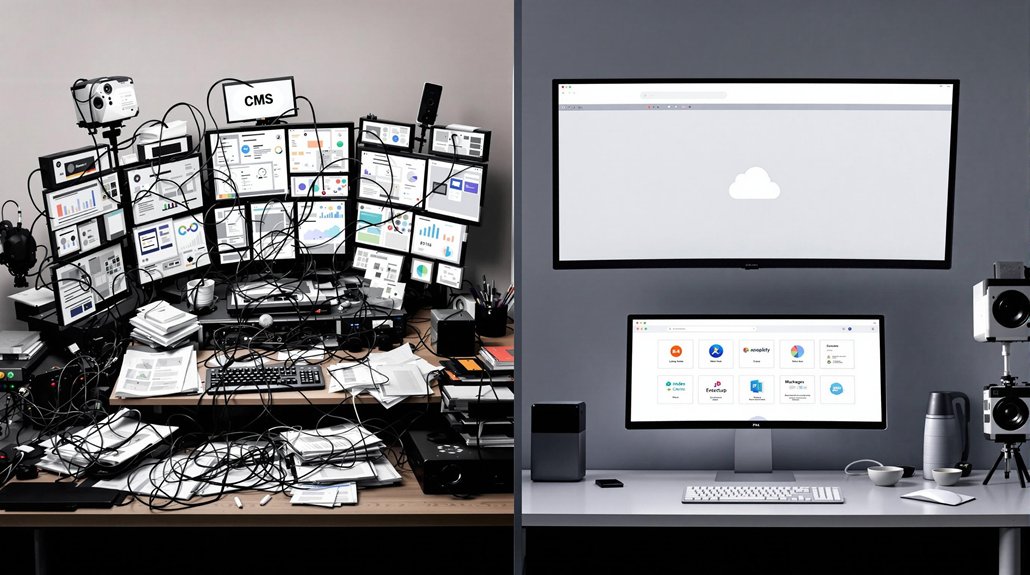
Building a website is no longer just about aesthetics—it's about functionality, flexibility, and scalability. The choice of a Content Management System (CMS) plays a significant role in determining how seamlessly your website operates and adapts to future demands.
Traditional CMS platforms have been around for decades, offering all-in-one solutions for website creation. Meanwhile, Headless CMS is gaining traction, providing cutting-edge flexibility for modern web development. In this guide, we’ll compare both systems to help you choose the one that best aligns with your goals.
Understanding Content Management Systems
Content Management Systems (CMS) are the backbone of online content creation, letting you manage and publish content without needing to dive into complex coding. For non-technical users, these platforms simplify content management through an intuitive user interface. Traditional CMS combines back-end and front-end in one system, making it easier for you to create online content using pre-built templates.
However, if you're looking for more flexibility in content delivery, a headless CMS might be ideal. It separates the content repository from the presentation layer, providing API access to deliver content across multiple platforms. This separation allows you to utilize various front-end technologies, making content creation highly adaptable to modern needs.
As online environments evolve, understanding these systems is essential. Moreover, a headless CMS enhances flexibility by decoupling content management from presentation, allowing for seamless integration across multiple platforms.
Exploring Traditional CMS Platforms
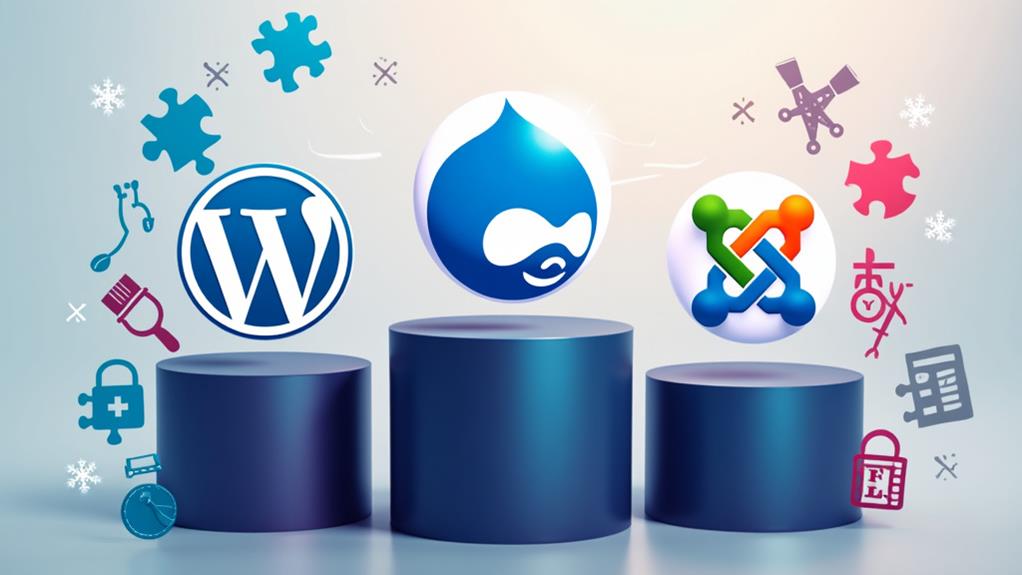
When delving into traditional CMS platforms, you'll find they operate on a monolithic architecture that tightly integrates content management with presentation. Their user-friendly interfaces, like WordPress, attract small to medium-sized businesses due to quick deployment and features like WYSIWYG editors.
However, this approach can limit flexibility and customization, as content is often displayed using templates. To improve functionality, traditional CMS platforms rely on plug-ins, which can introduce security risks and performance issues if not properly maintained. Despite their ease of use, these platforms face scalability challenges, especially when trying to deliver content efficiently across different digital channels, including IoT devices and mobile applications.
As your organization grows, you might encounter costly upgrades or migrations to meet increasing demands for advanced features. Additionally, regular updates are crucial to address vulnerabilities and maintain optimal performance across all platforms.
The Rise of Headless CMS

Shifting away from the limitations of traditional CMS platforms, many organizations are embracing the creative approach of headless CMS. This trend is largely due to the increasing demand for omnichannel content delivery, which lets you distribute content seamlessly across different platforms.
With a projected market growth from $750 million in 2022 to $5.5 billion by 2032, here's why headless CMS is on the rise:
- Flexibility: Developers enjoy the freedom to use preferred front-end technologies.
- Personalized Experiences: Supports A/B testing and personalization, adapting quickly to market changes.
- Content APIs: Utilizes API technology for efficient content management across devices.
- Cloud-Based Infrastructure: Capitalizes on digital experiences through IoT and mobile devices.
AI-powered analytics provide insights into user interactions, enabling optimization of content strategies based on user engagement. Embrace headless CMS to stay ahead in evolving content management systems.
Comparing Headless and Traditional CMS Features
While both headless and traditional CMS have their merits, they serve different needs in the digital content landscape. A headless CMS excels in content management flexibility, offering customization options and scalability through APIs. This approach supports omnichannel experiences, ensuring your digital assets reach users across diverse platforms seamlessly. You'll find robust developer resources like SDKs and webhooks, promoting modern practices.
In contrast, a traditional CMS integrates content delivery and presentation in a monolithic architecture. It's often restricted to website templates, limiting flexibility and scalability. Though it holds a significant market share, its reliance on plugins can pose security risks. If you need advanced features like personalization or A/B testing, a headless CMS might better meet your evolving digital demands.
Speed and Performance
Traditional CMS systems can suffer from performance bottlenecks, especially if multiple plugins are used or the platform struggles to scale during traffic spikes. Additionally, changes in one area can impact the entire website, increasing the risk of errors.
Headless CMS enhances performance by delivering content directly through APIs. This streamlined approach ensures faster load times, even for high-traffic websites. Imagine a news portal that needs to update breaking stories in real-time—Headless CMS handles this without slowing down site operations.
Evaluating Content Management Workflows
How do you guarantee efficient content management workflows in the current fast-paced digital environment? By choosing the right CMS, you can streamline processes and improve productivity. A headless CMS offers flexibility and scalability with its API-first architecture, supporting omnichannel content delivery. Here's how it can optimize your workflows:
- Decoupled Architecture: Allows developers and content creators to work independently, boosting creativity and efficiency.
- Real-Time Collaboration: Facilitates agile practices, enabling teams to collaborate seamlessly and manage content effectively.
- Version Control: Keeps track of changes, ensuring that content remains consistent and up-to-date across all platforms.
- Traditional CMS Limitations: While user-friendly, it often lacks the flexibility for complex projects, leading to potential scalability issues.
Consider these factors to optimize your content management workflows.
User Experience Considerations
When considering user experience, it's vital to recognize how a headless CMS can transform content delivery across multiple channels. A headless CMS supports an omnichannel strategy, ensuring you provide a seamless, consistent user experience on mobile apps, websites, and IoT devices.
Unlike a traditional CMS, which often struggles with a monolithic structure, a headless CMS offers a flexible architecture that improves the dynamic user experience. By utilizing Content Delivery Networks, it enhances performance and load times, greatly improving user satisfaction.
Furthermore, the ability to use different front-end frameworks allows developers to craft visually appealing and interactive interfaces. This flexibility facilitates personalized content delivery, ensuring users receive relevant information tailored to their preferences, a feat challenging for traditional CMS setups.
Security Features
Traditional CMS platforms can be vulnerable to security risks, particularly if plugins or themes contain outdated code. Hackers often target these systems due to their widespread use and centralized architecture.
Headless CMS offers enhanced security through API-based delivery. Since the back-end and front-end are decoupled, there’s less exposure to common vulnerabilities. However, security ultimately depends on proper configuration—developers must ensure secure API integrations to protect sensitive data.
Cost Considerations
Traditional CMS platforms are generally more cost-effective for small businesses. Many are open-source, with free or affordable hosting options available. However, additional plugins or customizations may increase costs over time.
Headless CMS often requires a larger initial investment due to development needs and API configurations. Businesses with the resources to invest in long-term scalability and performance may find the cost worthwhile, while smaller projects might prefer Traditional CMS for its affordability.
Making the Right CMS Choice for Your Business

Choosing the right CMS for your business can be quite the task. Both headless CMS and traditional CMS have their strengths. Here's how you can decide:
- Project Complexity: If your project demands scalability and flexibility across multiple channels, a headless CMS is ideal. For simpler websites, stick to a traditional CMS.
- Content Delivery: Headless CMS supports omnichannel marketing and personalized content delivery, while traditional CMS focuses on web platforms.
- Technical Skills: A headless CMS requires in-house expertise for API integration and ongoing development, unlike the more user-friendly traditional CMS.
- Future Growth: With the headless CMS market projected to grow considerably, consider if your business needs a scalable content management solution.
Evaluate these factors to select the CMS that aligns with your business goals.
Final Thoughts
Choosing between a Headless CMS and a Traditional CMS is more than a technical decision—it’s a strategic one. Traditional CMS platforms offer simplicity and ease of use, making them ideal for smaller projects or non-technical users. Headless CMS, on the other hand, provides flexibility, scalability, and a future-ready architecture for businesses operating across multiple platforms.