How to Leverage Gaming for Marketing Success
To leverage gaming for marketing success, go beyond traditional ads. Consider in-game product placements or sponsoring gaming events to capture players' attention organically. Utilize player analytics to understand gamer behavior and tailor experiences that resonate. Building communities and collaborating with influencers can further enhance your brand's visibility. To create campaigns that feel authentic and not intrusive, the key lies in...
In-Game Marketing Opportunities
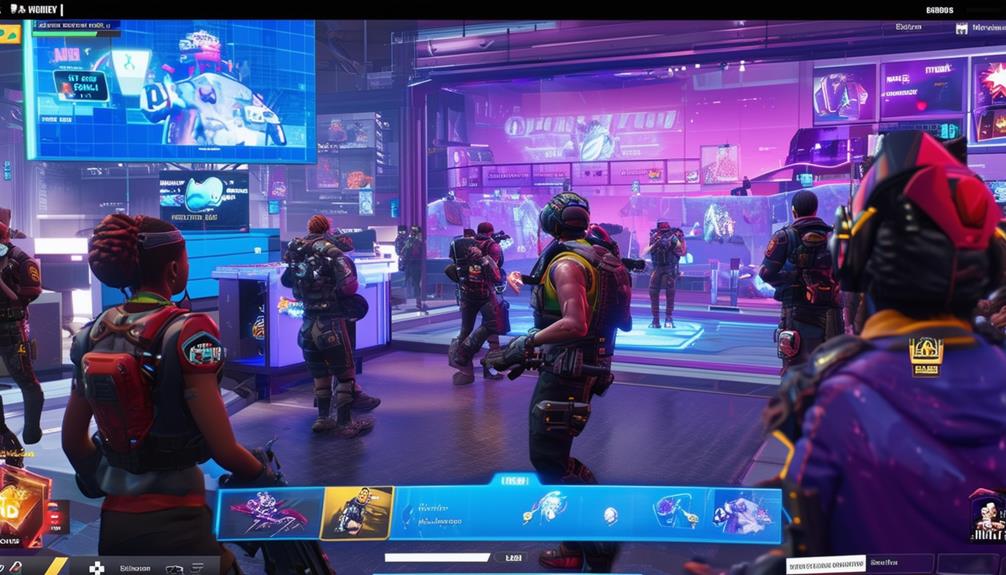
In-game marketing opportunities offer a unique avenue to engage over 7 billion smartphone users through immersive experiences. By leveraging in-game marketing, you can reach a vast audience and capture their attention in ways traditional advertising methods cannot. With mobile gaming ad spending expected to increase from $80 million in 2023 to $130 million by 2025, now is an opportune time to invest in this dynamic sector.
A significant advantage of in-game marketing is its ability to achieve targeted reach. Campaigns can be customized based on player profiles and preferences, ensuring your message resonates with the right audience. This targeted approach is far more effective than a one-size-fits-all strategy.
Dynamic brand integration is another powerful feature. Instead of relying on intrusive ads, your brand can become a seamless part of the game environment, enhancing the player's experience without disrupting gameplay. This method fosters a deeper connection between your brand and the player.
Additionally, data-driven insights from player analytics enable continual refinement of your marketing strategies. By analyzing behaviors and preferences, you gain a competitive edge, making your campaigns more effective and efficient. Immersive engagement through in-game marketing isn't just a trend; it's the future of advertising.
Engaging Through Custom Ads
Incorporating custom ads in gaming not only boosts brand visibility but also significantly enhances player engagement. Strategies like in-game product placement, event sponsorship, and interactive ad experiences effectively capture audience attention. These tailored approaches can improve player loyalty and drive higher conversion rates.
In-Game Product Placement
Brands seamlessly integrate custom ads into gameplay environments, creating immersive and memorable experiences for gamers. By leveraging in-game advertising, your brand can become an integral part of the player's world, leading to deeper engagement. These custom ads aren't limited to virtual billboards; they include branded items that players use and interactive experiences that promote your products within the game.
For your marketing strategies to succeed, focus on targeted audiences. By analyzing player behavior and preferences, you can tailor in-game product placements to fit seamlessly into the gaming experience. This ensures your ads resonate with the right players at the right time, enhancing brand visibility and engagement.
Data-driven insights are crucial for refining these strategies. By tracking how gamers interact with your in-game ads, you can gather valuable data to optimize future campaigns. Understanding what works and what doesn't allows you to improve continually, ensuring your brand remains relevant and engaging. When executed effectively, in-game product placement can transform your marketing efforts, making your brand a significant part of the gaming experience.
Sponsored Gaming Events
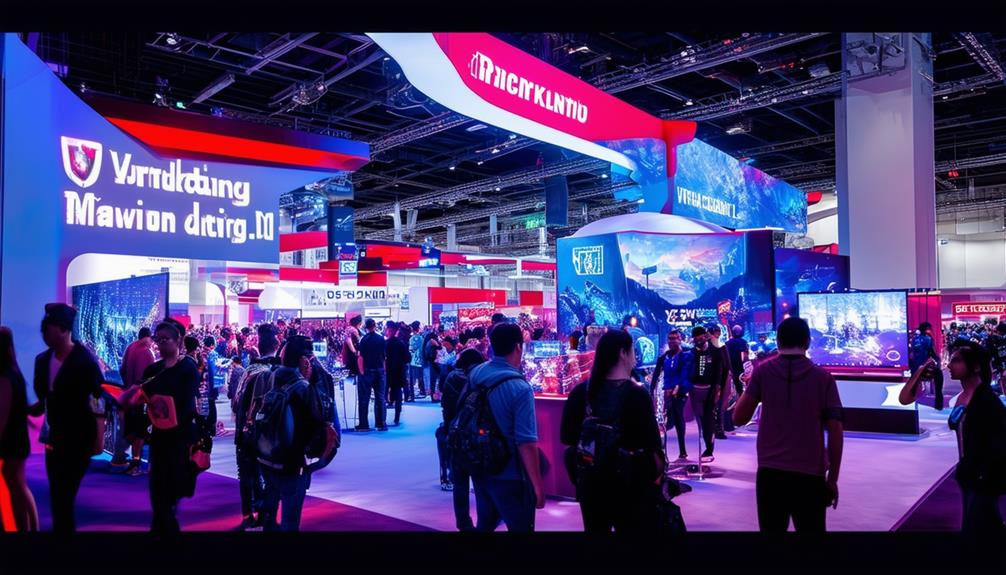
Sponsored gaming events offer a unique platform to connect with a highly engaged audience through custom advertisements designed to enhance the event experience. Sponsoring these events provides direct access to a dedicated gaming community, allowing for ads that are intricately aligned with the event's theme. This approach not only boosts brand visibility but also enhances brand recognition within a setting where gamers feel at ease and engaged.
By engaging with gamers in their preferred environment, your brand can authentically showcase its products or services. The immersive nature of gaming events ensures your brand stands out, leaving a lasting impression. Strategically placed custom ads can drive potential conversions more effectively.
Key Benefits:
| Benefit | Description |
|---|---|
| Increased Brand Visibility | Custom ads tailored to the event theme enhance visibility among the target audience. |
| Enhanced Brand Recognition | Engaging ads in a comfortable setting foster better recognition and recall. |
| Higher Potential Conversions | Authentic engagement can lead to increased interest and potential conversions. |
Interactive Ad Experiences
Interactive ad experiences in gaming consistently captivate audiences more effectively than traditional advertising methods. By tailoring custom ads specifically for gaming audiences, you can achieve a click-through rate that is 50% higher. This approach not only increases clicks but also creates engaging ad experiences that resonate deeply with gamers.
Gamified ads, for instance, can boost brand recall by an impressive 70%. These ads integrate your marketing message into the game, making it both memorable and enjoyable for the player. When gamers actively participate in your ad, they are significantly more likely to remember your brand.
Additionally, 63% of gamers express a preference for interactive ads over static ones. This preference underscores the effectiveness of engaging ad experiences in capturing and retaining attention. Such ads not only get noticed but also encourage interaction, leading to a more meaningful connection with your brand.
Utilizing Player Analytics
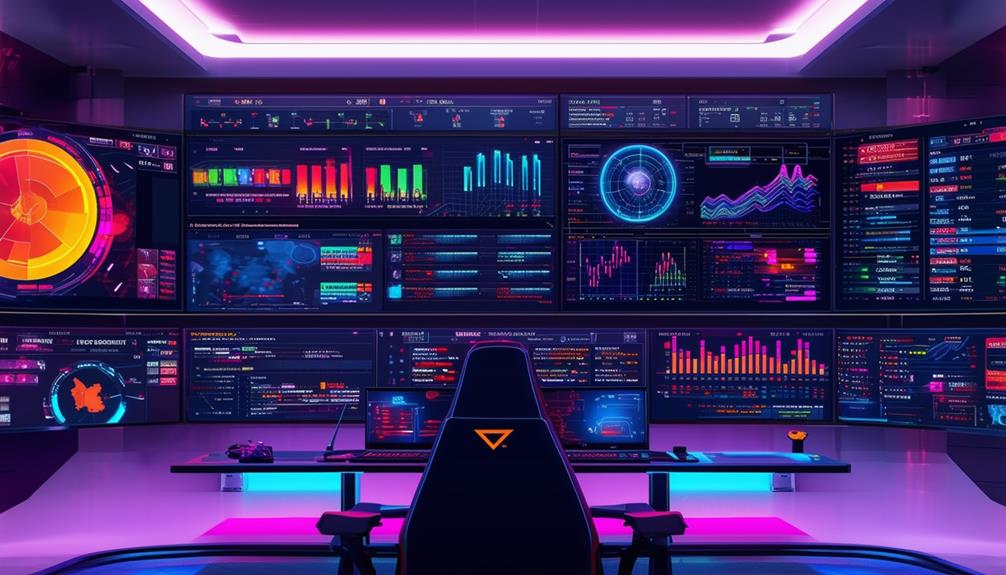
By analyzing player behavior, you can gain a clear understanding of what engages players and what causes them to leave. This data allows you to personalize game experiences, making them more compelling and tailored to individual preferences. Ultimately, leveraging player analytics helps optimize marketing strategies and improve player retention.
Tracking Player Behavior
Analyzing player behavior through comprehensive analytics provides essential insights that can tailor marketing strategies to enhance engagement and drive success. By leveraging player analytics, you gain a deeper understanding of player preferences and interaction patterns within the game. This data is invaluable for refining marketing strategies and optimizing player engagement, ensuring that your campaigns effectively reach the right audience with the right message.
Tracking player behavior allows you to customize your marketing efforts to specific player demographics, making your campaigns more effective. Data-driven insights enable you to identify which aspects of the game captivate players the most, allowing you to emphasize those elements in your marketing materials.
Here are key metrics you should track:
| Metric | Insight Provided |
|---|---|
| Session Duration | Measures player engagement levels |
| Retention Rate | Indicates player loyalty and satisfaction |
| In-Game Purchases | Highlights spending behavior and popular items |
| Level Completion Rates | Shows difficulty and player progression |
| Social Sharing/Invites | Gauges virality and player advocacy |
Personalizing Game Experiences
Leveraging player analytics enables the creation of personalized game experiences that resonate deeply with individual players. Through data-driven insights, developers can understand player behavior, preferences, and interactions, which are crucial for effective personalization. This detailed understanding allows for the customization of game content to match individual tastes, thereby boosting player engagement and satisfaction.
Integrating player analytics into your strategy also facilitates the development of targeted marketing campaigns tailored to your audience's specific needs and desires. This precision in marketing not only enhances player engagement but also fosters brand loyalty. When a game aligns with players' interests, they feel more connected and are more likely to remain loyal to the brand.
Personalized game experiences grounded in player analytics lead to higher player satisfaction by making players feel valued and understood. This increased satisfaction translates to greater engagement and retention. Ultimately, this boosts marketing success, as players are more likely to recommend the game to others, thereby expanding your reach and impact.
Building Gaming Communities
Creating a thriving gaming community starts with providing gamers a platform to connect and share their experiences. When gamers feel a sense of belonging, engagement naturally follows, which is crucial for marketing success. Gaming communities not only foster relationships but also generate valuable user-generated content. This content serves as authentic endorsements, enhancing brand visibility and credibility. Moreover, engaging with these communities provides direct feedback, helping you refine your products and services.
To build strong gaming communities that drive brand loyalty and long-term success, consider these three key strategies:
- Create Dedicated Spaces: Establish forums, Discord servers, or social media groups where gamers can interact. This fosters a sense of community and encourages ongoing engagement.
- Encourage User-Generated Content: Promote contests, challenges, or hashtag campaigns where gamers can share their creations. This not only keeps the community active but also serves as free marketing.
- Actively Engage and Listen: Regularly participate in discussions, ask for feedback, and show that you value community input. This builds trust and strengthens relationships, turning casual gamers into loyal fans.
Collaborating With Influencers
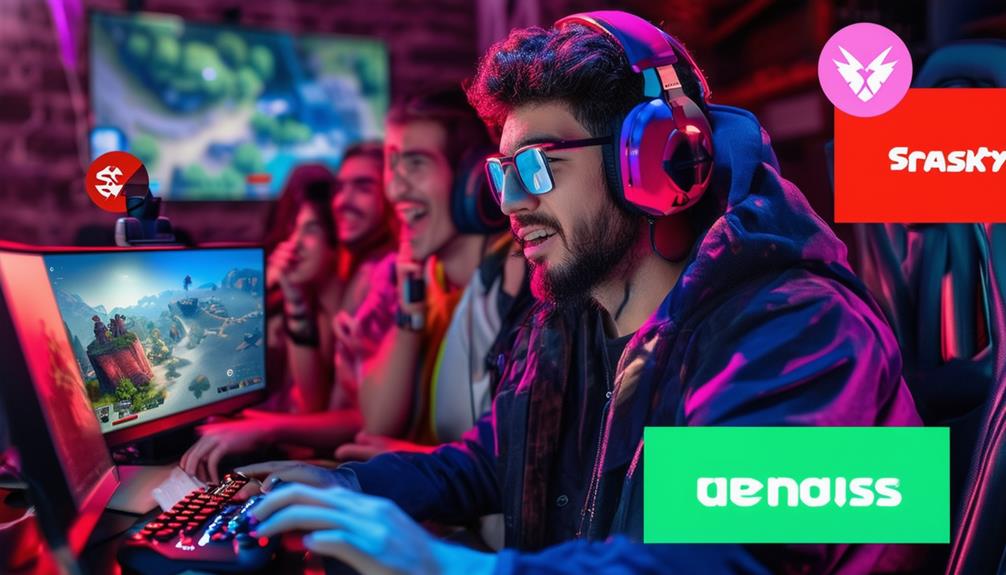
Partnering with gaming influencers can significantly elevate your brand, reaching enthusiastic and engaged audiences. In the gaming industry, influencer marketing is a powerful tool to boost brand visibility and engagement. Collaborating with notable gaming influencers like Tyler 'Ninja' Blevins enables direct connections with global gaming audiences, greatly enhancing brand recognition.
These partnerships offer authentic endorsements that resonate deeply within the gaming community. For example, Red Bull's successful collaboration with Ninja highlights how influencer marketing can amplify a brand's presence. When gaming influencers create engaging content, their dedicated fan base takes notice, resulting in higher engagement rates. This genuine connection fosters trust and loyalty, making your brand more relatable and memorable.
Leveraging gaming influencers' reach and credibility allows you to effectively tap into niche markets. Their ability to produce genuine, relatable content ensures that your marketing message not only reaches audiences but also resonates with them. By integrating your brand into the gaming community, you can build a loyal following and drive substantial growth. In summary, collaborating with gaming influencers is a strategic approach to enhance your brand's visibility and engagement in the global gaming landscape.
Leveraging Social Media
Social media platforms are vital tools for promoting gaming content and engaging with the gaming community. Platforms like Twitch, Twitter, Instagram, and YouTube each offer unique opportunities to connect with your gaming audience. By leveraging these channels, you can enhance user engagement, foster community building, and execute targeted advertising campaigns effectively.
Here are three key strategies to optimize the potential of social media in gaming marketing:
- Live-Stream Promotions on Twitch: Use Twitch to host live-stream events, such as game launches or exclusive gameplay sessions. This not only generates excitement but also allows real-time interaction with your audience.
- Viral Campaigns on Twitter: Twitter is perfect for creating buzz through viral campaigns. Share updates, teasers, and engage with trending hashtags to keep your game in the public eye.
- Visual Showcases on Instagram: Instagram's visual-centric approach is ideal for displaying game graphics and behind-the-scenes content. Utilize stories and posts to maintain a visually appealing and engaging presence.
Gaming marketing agencies, like Power League Gaming, use these social media platforms to create visibility and connect deeply with the gaming community. Implementing these strategies can lead to successful gaming marketing, ensuring your content reaches the right people and resonates with the gaming audience.
Creating User-Generated Content
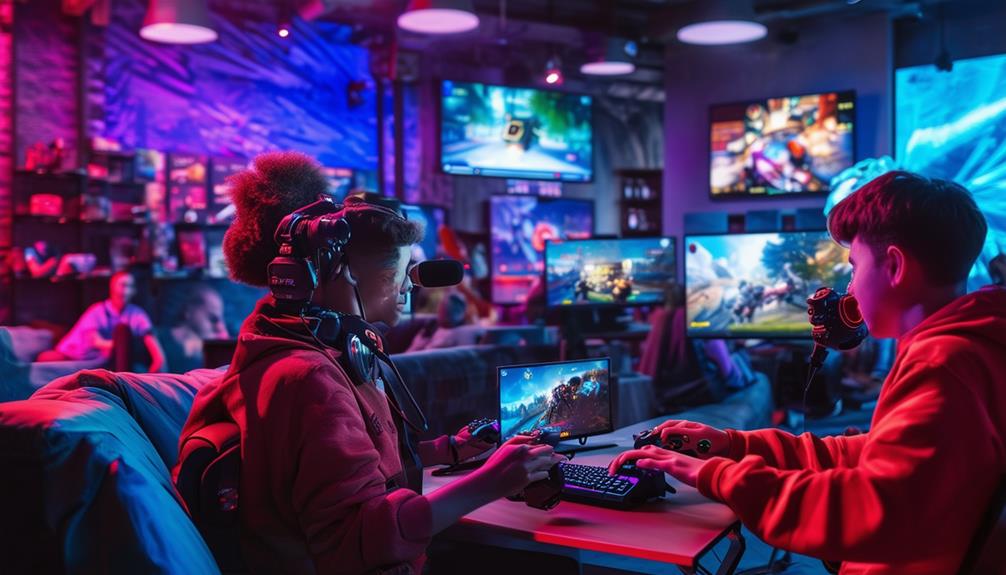
Encouraging gamers to share their own content can significantly boost your game's visibility and authenticity. User-generated content is a powerful tool that can enhance engagement by 28% and brand loyalty by 23%. When gamers share their experiences, it fosters a sense of community and trust. In fact, 86% of consumers find user-generated content more genuine and reliable than branded content.
To optimize these benefits, consider running campaigns that motivate gamers to create and share content on social media. This not only increases social media engagement but also drives website traffic, with some campaigns resulting in a 90% increase in time spent on your site. By actively involving your community, you create a continuous loop of engagement and brand loyalty.
Here's a quick overview of the benefits:
| Benefit | Percentage Increase | Impact Area |
|---|---|---|
| Engagement | 28% | Social Media, Website |
| Brand Loyalty | 23% | Customer Retention |
| Perceived Authenticity | 86% | Trust, Authenticity |
| Time Spent on Website | 90% | Website Traffic |
| Social Media Engagement | 50% | Community Interaction |
Encouraging your gaming community to share their stories will lead to noticeable improvements in engagement and brand loyalty.
Optimizing Game Discoverability
Enhancing user engagement and loyalty through user-generated content is crucial, but ensuring your game is easily discoverable is equally vital for long-term success. Effective game discoverability combines App Store Optimization (ASO) and SEO strategies to maximize your game's visibility. Here's how to achieve this:
- App Store Optimization (ASO): Optimize your game's metadata, including titles, descriptions, keywords, icons, and screenshots, to improve its visibility in app stores. Managing app ratings and reviews is also essential for establishing credibility and achieving higher search rankings.
- Keyword Research and SEO: Conduct comprehensive keyword research to identify terms that potential players are searching for. Integrate these keywords strategically into your game's content to drive organic traffic and enhance search rankings, making your game more visible to a wider audience.
- Analytics and Metrics: Use analytics tools to track key metrics such as downloads, installs, and user engagement. These insights are crucial for evaluating the effectiveness of your discoverability strategies and refining them over time for improved outcomes.
Conclusion
To effectively leverage gaming for marketing success, explore every available opportunity. Utilize in-game product placements and sponsor events to increase visibility. Engage your audience with personalized ads and use player analytics to tailor experiences. Foster strong gaming communities, partner with influencers, and capitalize on social media. Encourage user-generated content and enhance game discoverability. By integrating these strategies, you'll connect deeply with gamers and drive significant success for your brand.