
How Transformers Facilitate AC to DC Conversion?
1. The Basics of AC and DC Current
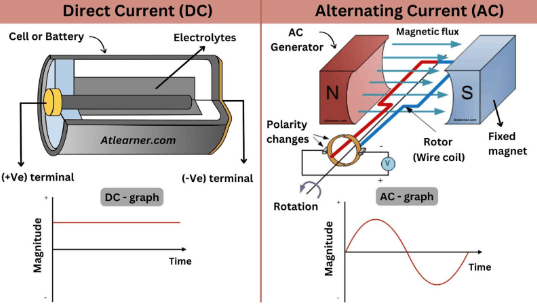
Comprehending AC (Alternating Current) and DC (Direct Current) is essential for anybody dealing with electricity, whether in engineering, technology, or daily life. DC is a stable circulation of electrical charge in one instruction, making it important for battery-powered devices and electronic devices that require stable voltage. On the other hand, AC changes direction regularly, which effectively helps the transportation of electrical energy across countries. This makes AC ideal for powering homes and markets and supports technologies like electrical grids that require AC to function effectively.
Looking at their usages shows how they are evolving. Generally, DC is utilized in portable electronics and batteries, while AC is utilized in power circulation. However, the two are starting to combine. For example, brand-new inverter technology permits photovoltaic panels to change DC from sunshine into functional AC for homes.
Furthermore, electric cars utilize both existing types to enhance performance: DC for charging and regenerative braking, and high-capacity AC motors for driving. By studying the relationship between AC and DC today, we can see how they work together to drive technological development.
2. Role of AC transformer to DC in Power Conversion
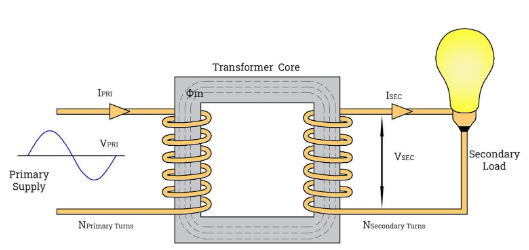
Transformers are crucial for efficiently managing the AC to DC Conversion, which is vital for various uses, such as renewable energy systems and electronic devices. An AC transformer adjusts voltage levels before conversion, making power transmission efficient and ideal for modern electronics.
The primary winding activates a magnetic core, which causes a circulation in the secondary winding that changes the voltage based on particular turn ratios. This prepares the power for DC conversion.
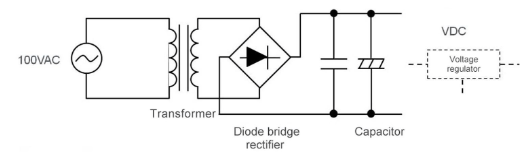
Transformers also deal with rectifiers to produce stable DC output. Together, they transform unstable AC into smooth DC, which is crucial for sensitive electronic devices like microprocessors and battery chargers. New developments in transformer innovation, such as their usage in wise grids, enhance power quality and energy management. This reveals that transformers do more than just change voltage.
3. Rectification Process: Does the transformer convert AC to DC
The rectification procedure is an important step in electrical engineering that alters the rotating existing (AC) into direct current (DC). The DC transformer is essential to this modification; it lowers voltage levels and offers a steady output. Unlike regular transformers that mainly change AC voltage, DC transformers have special circuits to handle direct present successfully. This shows how contemporary innovation is satisfying the requirement for trustworthy power in different usages.
As industries move toward renewable resources, comprehending rectification is vital. Solar panels produce DC electrical energy, and numerous devices need a stable DC supply. Improving the correction procedure boosts overall system performance.
Advances in semiconductor innovation, such as better diodes and transistors, help reduce losses throughout this conversion. For that reason, innovations in rectification assist energy cost savings and help organizations succeed in a market where tidy power is essential for functional success and sustainability.
4. Benefits of Using Transformers in Conversion
Transformers are vital for changing rotating present (AC) into direct existing (DC) by adjusting voltage levels for various uses. One major advantage of transformers is their capability to enhance effectiveness. They enable high-voltage power to travel far away with little energy loss, which assists in lowering energy expenses and makes electrical systems more trusted for modern-day gadgets.
Using transformers likewise enhances safety. They lower high voltages to much safer levels before reaching sensitive electronics, avoiding damage and extending the life of devices. This is specifically crucial in renewable energy systems, like solar and wind farms, where effective energy conversion and storage are essential for efficiency and sustainability.