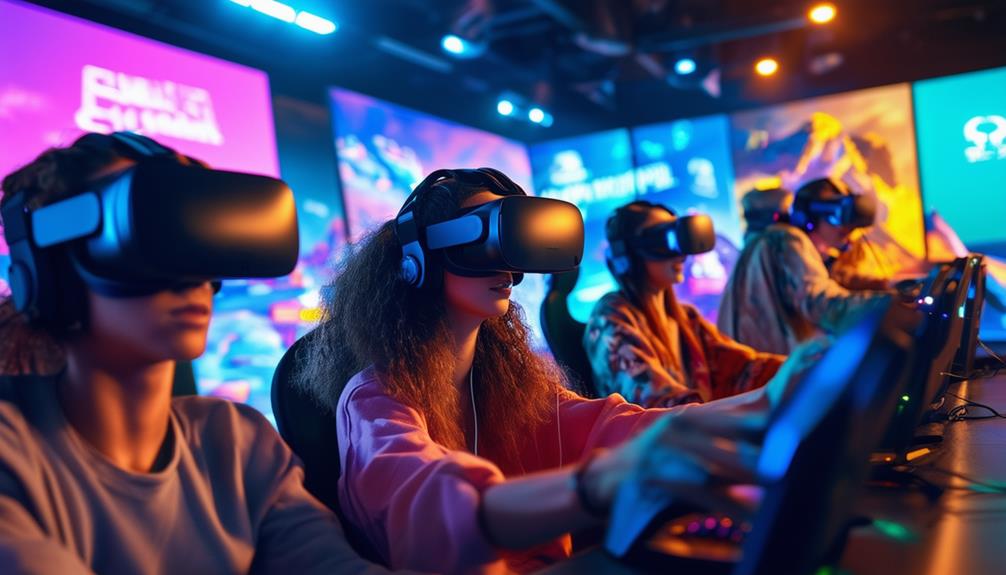
How Virtual Reality Games Can Transform Your Marketing

Imagine immersing your audience in a world where your brand is not just seen but truly experienced. With Virtual Reality (VR) games, you can create compelling narratives that forge genuine emotional connections, making your products unforgettable. This approach is not merely about flashy gimmicks; it's about crafting memorable experiences that distinguish you in a crowded market. Interested in leveraging VR to boost brand engagement, build loyalty, and drive conversions? Let's explore the transformative potential of VR marketing and uncover strategies to enhance your brand's presence like never before.
Enhancing Brand Engagement
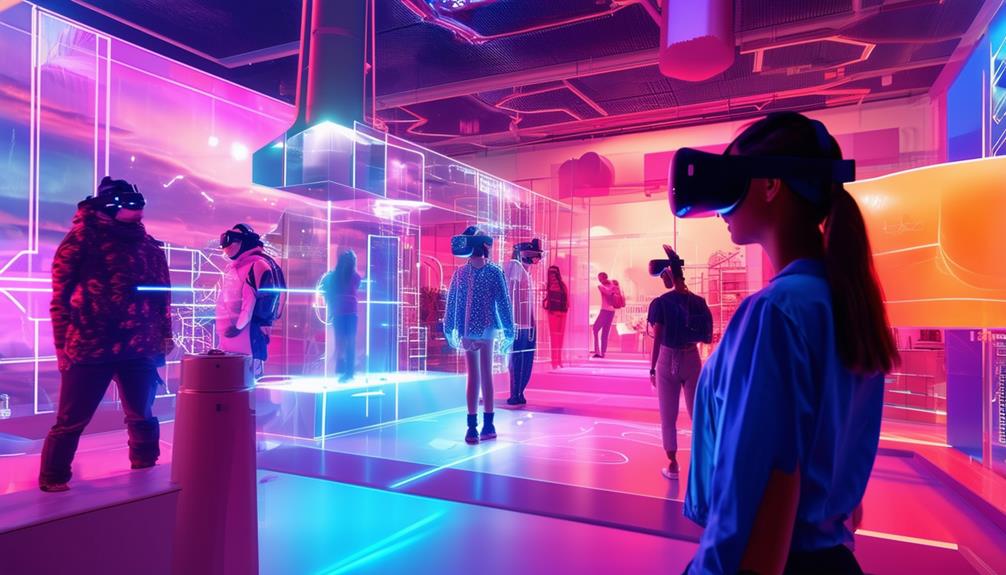
Leveraging virtual reality (VR) games can significantly enhance brand engagement by offering immersive and interactive experiences. When you provide an interactive product through VR, you're not merely selling a service or item; you're crafting an engaging narrative that consumers can immerse themselves in. This type of content captivates users, resulting in higher levels of customer engagement.
In today's competitive market, differentiation is crucial. VR games offer a unique way for brands to stand out by providing an experience that traditional media cannot match. These immersive experiences make your brand more memorable and foster increased loyalty. This emotional connection translates into higher online engagement and can even drive more foot traffic to your physical locations.
Additionally, the interactive nature of VR games allows for the creation of tailored experiences that resonate with your target audience. By incorporating elements that reflect your brand's values and messaging, you can build a deeper connection with your customers. This not only increases brand visibility but also encourages repeat business. Therefore, incorporating VR games into your marketing strategy is a smart move for enriching brand engagement.
Creating Immersive Experiences
Leveraging virtual reality (VR) games to create immersive experiences allows brands to engage audiences in ways traditional media cannot match. By immersing users in interactive environments, brands can craft memorable experiences that stand out. VR games enable deeper consumer involvement, making marketing efforts more impactful and enduring.
Immersive storytelling in VR is a powerful tool, drawing users into a brand's narrative and enhancing visibility and engagement. When consumers become part of the story, they are more likely to remember and connect with the brand. This level of involvement is challenging to achieve through conventional advertising.
Creating immersive VR experiences also allows brands to showcase their products or services creatively. Instead of merely describing offerings, brands can let users experience them firsthand in a virtual setting. This interactive approach not only increases consumer interaction but also drives brand loyalty. When users feel part of something unique and engaging, they are more likely to develop a strong affinity for the brand.
Ultimately, VR games provide a unique platform to create engaging experiences, elevating marketing strategies to new heights.
Interactive Product Demonstrations
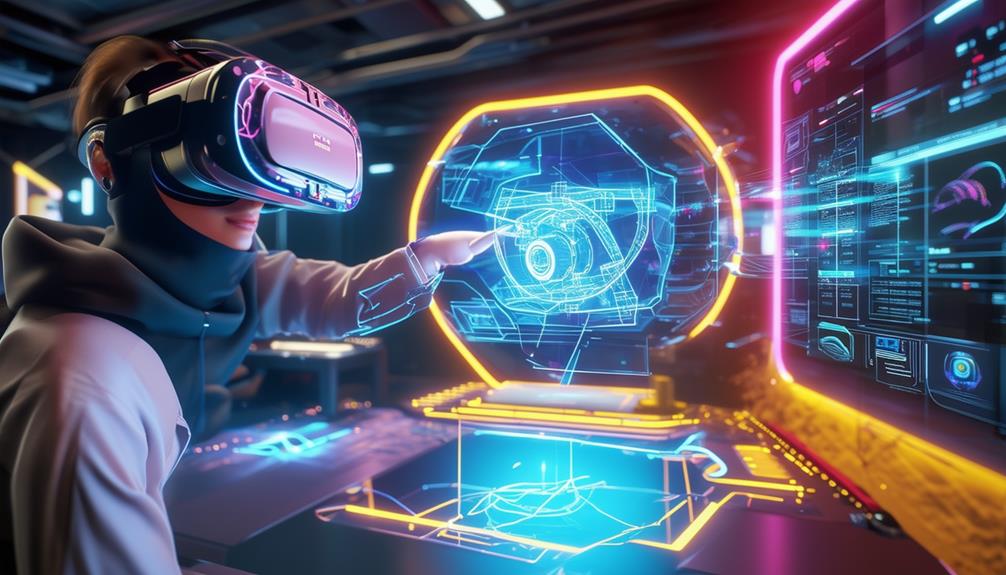
Interactive product demonstrations using virtual reality enable consumers to explore and engage with products in an immersive, hands-on environment. By leveraging VR technology, you offer potential customers the opportunity to manipulate features, investigate functionalities, and appreciate intricate details of your products before making a purchase. These experiences revolutionize how customers perceive and interact with your brand.
Consider a consumer evaluating a new kitchen appliance. Instead of merely reading descriptions and viewing photos, they can:
- Virtually operate the appliance: Utilize the VR environment to turn knobs, press buttons, and observe the appliance in action.
- Inspect detailed components: Zoom in on specific parts to understand their quality and functionality.
- Experience real-time usage: Visualize the appliance within a virtual kitchen setting, enhancing spatial awareness.
- Compare models side by side: Seamlessly switch between different models to assess features and benefits interactively.
Virtual Showrooms
Virtual showrooms offer customers a lifelike setting to explore products, facilitating easier and more informed shopping decisions. By leveraging Virtual Reality Marketing, these virtual spaces replicate the experience of physical retail environments, providing an immersive experience that traditional online shopping platforms lack. You can interact with products as if you were physically present in a store, offering a deeper understanding of what you're buying.
For instance, imagine entering a virtual showroom for a car. You can walk around the vehicle, inspect the interior, and even take it for a virtual test drive. This 360-degree view aids in making a well-informed decision. In sectors like automotive, furniture, and real estate, where visual assessment is crucial, virtual showrooms are particularly effective. They allow you to visualize how a couch fits in your living room or how a house appears with different interior designs.
Virtual showrooms provide a detailed examination of products, enabling interactions that are not possible on a standard website. This realistic setting helps in visualizing the product's functionality and benefits, making your shopping experience not only more enjoyable but also more effective.
Emotional Connection
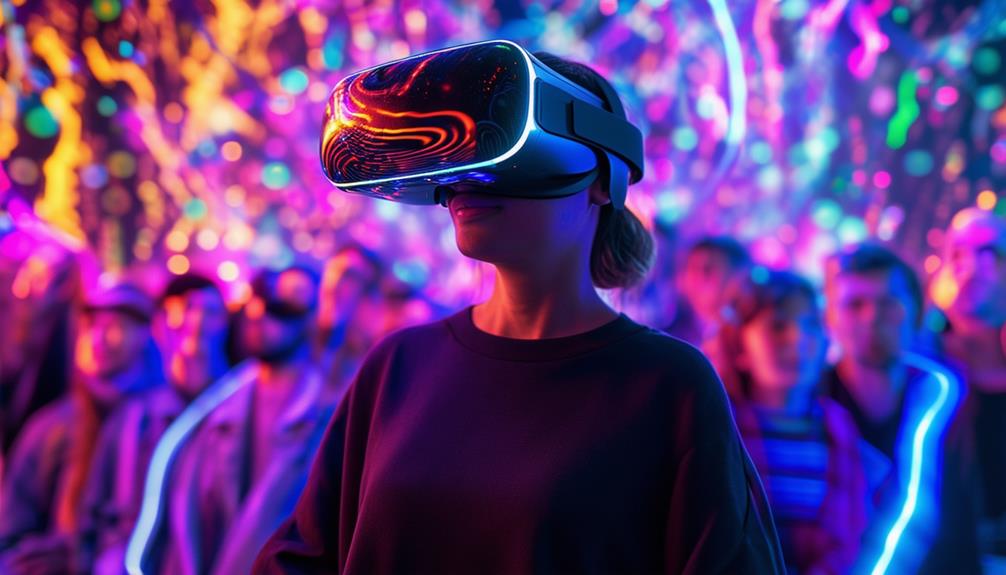
Virtual reality games create strong emotional connections by immersing players in engaging stories and dynamic experiences. The combination of immersive storytelling and vivid visuals makes players feel like part of the narrative, fostering deep emotional engagement. This is a powerful tool for marketers, driving increased consumer interaction and improving brand recall.
Brands can leverage virtual reality to craft unique, memorable experiences that evoke specific emotions, creating lasting bonds with their audience. Here are four ways VR games foster emotional connections:
- Immersive Storytelling: VR allows users to experience stories firsthand, creating a deeper emotional connection than passive media.
- Interactive Environments: The interactive nature of VR games keeps users engaged, making the brand experience more memorable and impactful.
- Personalized Experiences: VR can tailor experiences to individual preferences, increasing emotional engagement and brand loyalty.
- Enhanced Brand Perception: Positive emotional experiences in VR can influence how users perceive the brand, leading to higher customer satisfaction.
Expanding Content Marketing
Expanding your content marketing strategy to include virtual reality (VR) games offers exciting possibilities. Through interactive storytelling and engaging visual campaigns, you can captivate your audience. Additionally, immersive brand showcases within VR environments can drive consumer interest and differentiate you from the competition.
Interactive Storytelling Experience
Imagine stepping into a virtual world where your favorite brand's story comes to life, engaging you like never before. Virtual Reality (VR) games offer immersive experiences that revolutionize storytelling and enhance consumer engagement. By leveraging VR, brands can create compelling narratives that resonate deeply with audiences, significantly boosting their content marketing efforts.
Here's how interactive storytelling through VR can transform your marketing:
- Enhanced Immersion: VR allows consumers to become part of the story, making the experience more engaging and memorable.
- Increased Interaction: Interactive elements in VR games encourage active participation, fostering a deeper connection with the brand.
- Unique Campaigns: VR enables the creation of distinct and original marketing campaigns that stand out in competitive markets.
- Higher Visibility: Immersive storytelling can lead to increased consumer interaction, enhancing brand visibility and recall.
Engaging Visual Campaigns
Expanding on the power of interactive storytelling, virtual reality (VR) games can significantly enhance visual campaigns by creating immersive and engaging content that captures consumer attention. By incorporating VR into your marketing strategy, you allow your audience to experience a product or service firsthand, elevating traditional visual campaigns into more dynamic and memorable experiences.
With VR, your visual campaigns evolve into interactive experiences. Instead of being passive viewers, your audience becomes active participants who can explore your brand's world, interact with products, and engage in ways that traditional media cannot offer. This heightened engagement fosters stronger emotional connections and boosts brand loyalty.
Additionally, VR games offer a unique platform to showcase your offerings in a visually compelling manner. You can design rich, detailed environments that highlight the best features of your products or services. This not only distinguishes you from competitors but also leaves a lasting impression on your target audience. By leveraging the immersive experiences provided by VR games, you can elevate your content marketing and enhance your visual campaigns to new heights.
Immersive Brand Showcases
Utilizing Virtual Reality (VR) technology, you can revolutionize your content marketing by creating immersive brand showcases that offer interactive and engaging experiences. VR enables the creation of virtual showrooms where customers can explore and interact with products in a realistic, immersive environment, significantly enhancing consumer engagement and brand visibility. These unique experiences help you stand out in competitive markets, capturing your audience's attention more effectively.
Here are several ways to use VR for immersive brand showcases:
- Virtual Showrooms: Develop a 3D space that simulates an in-store experience, allowing customers to explore and interact with your products from their homes.
- Product Demonstrations: Provide detailed, immersive experiences demonstrating how your products work in real-life scenarios.
- Interactive Storytelling: Leverage VR to create compelling narratives that emotionally engage users, making your brand's story memorable.
- Virtual Events: Host events where attendees can explore various aspects of your brand, interact with products, and network with other participants in a virtual setting.
These innovative and cost-effective strategies make immersive experiences accessible to businesses of all sizes, enhancing their content marketing efforts.
Gamified Marketing Campaigns
Gamified marketing campaigns using virtual reality (VR) can significantly enhance brand engagement, with some companies experiencing increases of up to 60%. By integrating VR games into your marketing strategy, you can create an immersive experience that captures your audience's attention like never before. Virtual reality offers a dynamic platform where consumers can interact with your brand in compelling and memorable ways.
When you utilize VR games in your gamified marketing campaigns, you're not just promoting a product; you're creating an experience. This approach can increase brand recall by 70% compared to traditional advertising methods. Imagine your customers exploring a virtual world where your brand is the hero—this creates a lasting impression that's hard to forget.
Moreover, incorporating gamification can lead to a 100% increase in consumer interaction and sharing. People love games, and when they're enjoyable and engaging, they're more likely to talk about them and share their experiences. This word-of-mouth marketing is invaluable.
Lastly, brands that have adopted VR games in their marketing campaigns report a 30% increase in customer loyalty and retention. When customers feel connected and entertained, they're more likely to stick around. So, why not make your marketing efforts a game worth playing?
Measuring VR Marketing Success
To measure the success of your VR marketing efforts, focus on key performance indicators such as user engagement and conversion rates. Analyzing these metrics will provide insights into user interactions with your VR content and identify which elements drive the most engagement. Utilize this data to refine your strategies and optimize your return on investment (ROI).
Key Performance Indicators
Understanding key performance indicators (KPIs) is essential for measuring the success of your VR marketing campaigns. Tracking KPIs provides insights into user engagement and consumer behavior, enabling you to optimize your strategies for maximum effectiveness. Virtual Reality offers unique metrics, and focusing on the right ones ensures your VR marketing efforts are on the right track.
Here's a list of key KPIs you should monitor:
- User Engagement: Measure user interaction with your VR content, including metrics like time spent in VR experiences and interaction rates.
- Conversion Rates: Track how effectively your VR campaigns convert users into customers or leads, whether through direct sales, sign-ups, or other actions.
- Brand Visibility: Assess the reach and impact of your VR marketing efforts using metrics like social media shares and mentions to gauge campaign visibility.
- Consumer Behavior: Analyze how your VR content influences user actions and preferences by examining click-through rates and user behavior patterns within the VR experience.
Engagement Metrics Analysis
Analyzing engagement metrics is crucial for assessing the success of your VR marketing campaigns. In the realm of Virtual Reality, focus on metrics such as dwell time, interaction rates, click-through rates, and completion rates. These metrics provide a detailed view of how users engage with your VR content.
Tracking user behavior and interactions with virtual elements is essential. VR analytics tools offer deep insights into user preferences and the overall effectiveness of your campaigns. By understanding these metrics, you can optimize your VR content, refine your strategies, and significantly enhance campaign performance.
For example, if users spend more time on specific VR experiences, you can focus on those elements. Similarly, high interaction rates with certain features can inform your future VR marketing efforts.
These metrics are not just about measuring success; they guide decision-making, helping you make informed adjustments to content and strategies. This ensures that your campaigns are engaging and conversion-driven. Continuous optimization is key to achieving better results and staying competitive in the VR marketing landscape.
Conclusion
By integrating virtual reality games into your marketing strategy, you can significantly enhance audience engagement and create immersive experiences. VR enables interactive demonstrations that can captivate and involve your audience, fostering creative connections and producing original content. These gamified campaigns can set your brand apart from competitors. Additionally, VR provides precise metrics to measure success, leading to increased visibility and higher conversion rates. Harness the power of VR games to transform your marketing and leave a lasting impression on your consumers.