Royalty-Free Music vs. Copyright-Free Music: What’s the Difference?
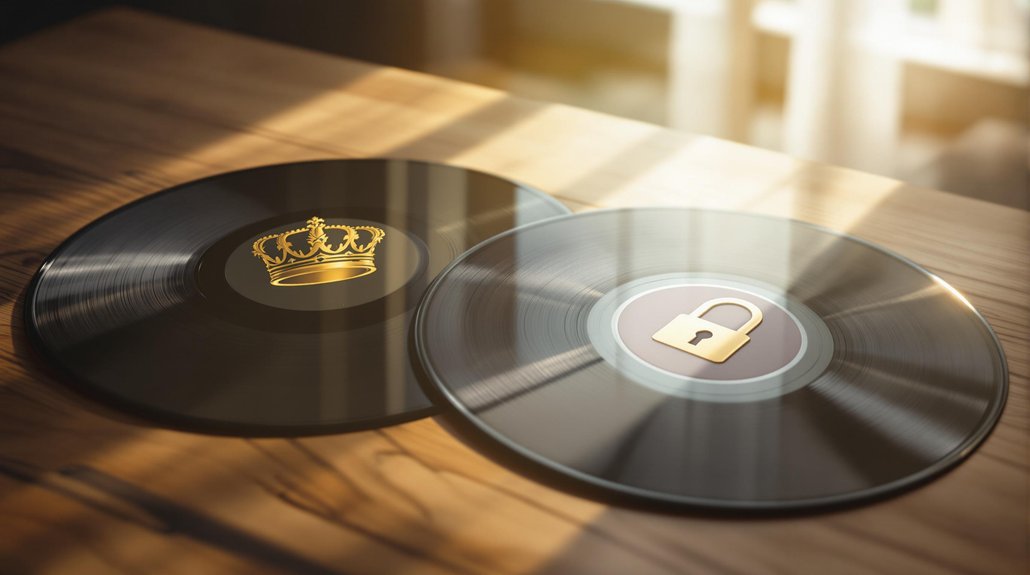
Contrary to what the name might suggest, royalty-free music isn’t entirely free. Instead, it means you pay a one-time fee (or sometimes no fee, depending on the platform) to use the music without having to pay recurring royalties for each play or download. This licensing model is common on platforms like Epidemic Sound or Artlist. Once you’ve paid for the track, you can use it across your projects without worrying about additional costs.
Understanding Royalty-Free Music
While exploring music options for your project, you might come across the term "royalty-free music." This type of music requires just a one-time payment for a license, letting you use it without ongoing royalty fees. The ownership remains with the copyright holder, so you must adhere to the licensing agreement.
Royalty-free music often boasts higher quality due to quality control standards aimed at commercial use. You'll find it on dedicated platforms, showcasing a variety of genres and styles to fit your needs. Although some free royalty-free music exists, it might not match the quality of paid options.
Always check the licensing terms to verify proper use and compliance with the copyright holder's conditions.
Exploring Copyright-Free Music
Exploring the world of copyright-free music opens up a domain of possibilities for creative projects. Copyright-free music is in the public domain, free from copyright restrictions, allowing you unrestricted use. This means you can use it without paying or seeking permission. Typically, music enters the public domain after the creator's life plus 70 years. While this offers great freedom, you should verify copyright status, as some tracks might still need attribution.
You'll often find copyright-free music in genres like classical music or older folk songs. These older works might not always match modern tastes, but they can be re-recorded or adapted by music creators. This flexibility lets you use rich, timeless melodies without legal concerns, expanding your creative palette.
Licensing and Ownership Differences
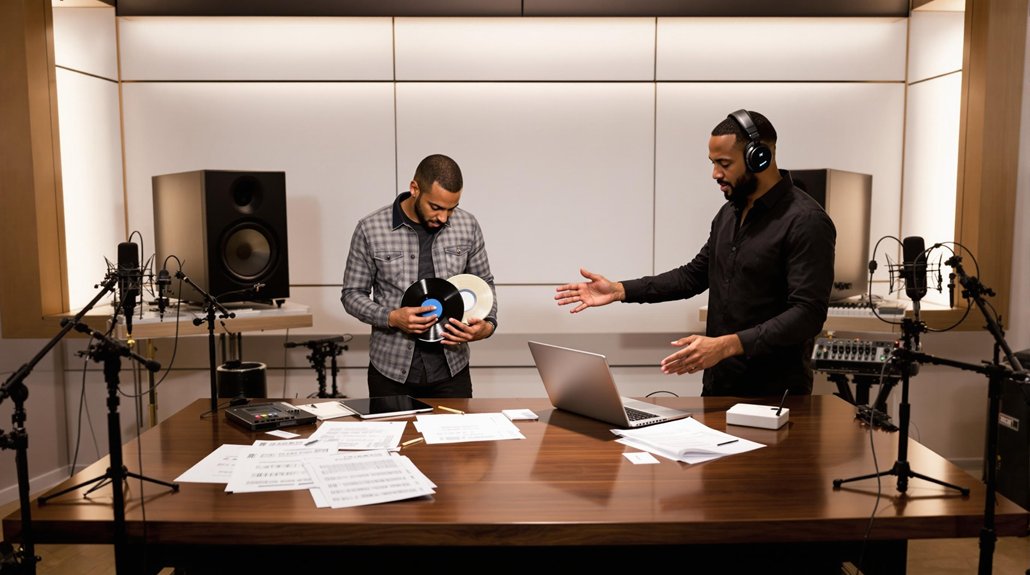
When charting the world of music licensing, understanding the differences between royalty-free and copyright-free music is crucial. With royalty-free music, you make a one-time payment for a licensing agreement that outlines specific usage rights. The original rights holder retains ownership, so no copyright claims arise, but restrictions on usage may exist. Quality verification is often higher since it's tailored for commercial use.
On the flip side, copyright-free music involves no payment or licensing agreements because it's in the public domain. You can use it freely without worrying about ownership or copyright claims. There are typically no restrictions, but the quality can vary.
Quality and Originality Considerations
Although selecting the right music for your project can be challenging, understanding the quality and originality differences between royalty-free and copyright-free options can greatly ease your decision. Royalty-free music is produced with higher quality standards, providing improved sound and production value.
It's often tailored for professional projects with specific music licensing in mind, ensuring it meets contemporary tastes. You'll find curated libraries offering a wide selection of genres and sound effects, all crafted to fit different creative needs.
In contrast, copyright-free music, often consisting of original works from public domains, might not have the same level of quality assurance. These tracks can be older or less popular, lacking rigorous quality control, which may not be ideal for high-quality professional projects.
Availability and Accessibility of Music
How do you find the right music for your project when exploring the vast landscape of available options? Start by considering royalty-free music, which is often accessible through dedicated platforms. These services provide curated catalogs, guaranteeing quality recordings ideal for content creators concerned with music rights. With a flat fee or subscription, you get reliable availability and accessibility. However, free royalty-free music might require more scrutiny due to variable quality.
On the other hand, copyright-free music, typically from the public domain, offers no-cost options but may not meet the needs of contemporary creators seeking popular tracks. Its availability is limited, and you might face copyright issues if the music isn't thoroughly verified. Steering through these choices can confirm your project's soundtrack is both fitting and legal.
Legal and Ethical Implications
Charting the legal and ethical implications of music use is essential for content creators aiming to avoid costly pitfalls. Using music without proper permission can lead to copyright infringement, resulting in penalties like demonetization or legal action. While royalty-free music requires a one-time license fee, copyright-free music isn't always truly free of restrictions. You must verify that it lacks copyright claims to avoid complications.
Misunderstanding these terms can cause unintentional violations, so carefully read license agreements. Ethical considerations matter too. Using copyrighted music without permission can harm an artist's income and rights. Always confirm your content respects these boundaries by securing the necessary licenses or permissions to use music, protecting both your work and the rights of musicians.
Choosing the Right Music for Your Content
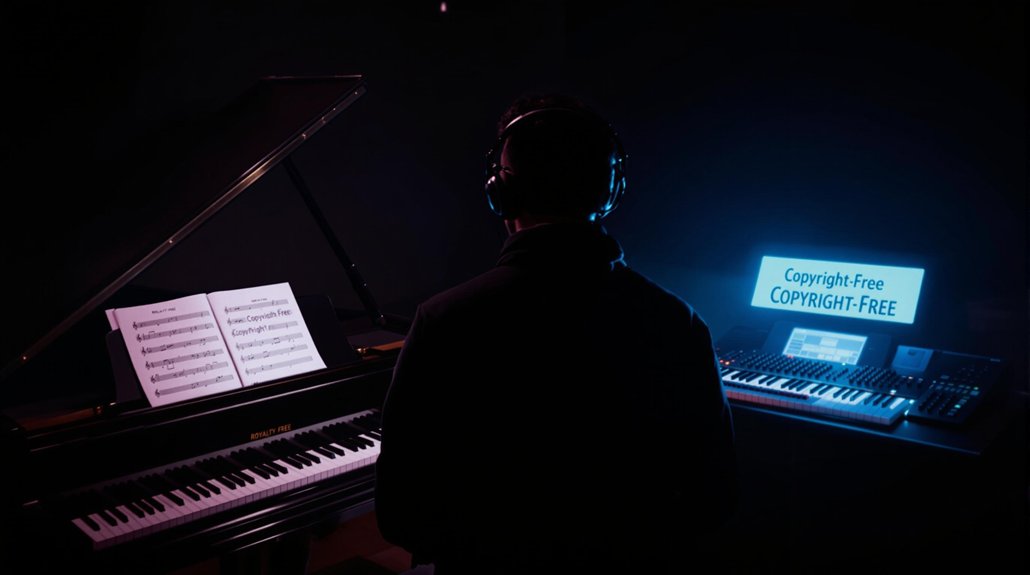
When selecting music for your content, it's vital to weigh the benefits of royalty-free and copyright-free options. Royalty-free music, requiring a one-time fee, offers high-quality recordings for your content creation, avoiding ongoing payments and copyright claims. In contrast, copyright-free music, found in the public domain, is free and unrestricted but may vary in quality.
Verify ownership and licensing to confirm tracks don't need attribution or have usage restrictions. Claim-free music is key for platforms like YouTube to prevent copyright issues that could harm your ad revenue and viewer engagement. Services like Lickd provide affordable, licensed access to popular tracks, potentially increasing views and engagement more than traditional royalty-free music. Choose wisely to improve your content.
Key Differences Between Royalty-Free and Copyright-Free
Here’s how the two compare:
| Feature | Royalty-Free Music | Copyright-Free Music |
|---|---|---|
| Cost | One-time payment (or subscription model) | Usually free, though credit may be required |
| Ownership | Still copyrighted by the creator | Public domain or licensed without copyright |
| Use Conditions | Use freely after payment | Conditions may vary (e.g., attribution needed) |
| Availability | Found on licensing platforms | Found in public domain or Creative Commons |
How to Choose the Right Option
Your choice between royalty-free and copyright-free music depends on your needs, budget, and project scope. If you need high-quality, modern tracks with no limitations, royalty-free music is your best bet. Platforms like Epidemic Sound, AudioJungle, and PremiumBeat curate professional-grade libraries for creators.
On the other hand, copyright-free music is ideal for projects with tight budgets or niche needs. Websites like Free Music Archive and OpenGameArt offer collections of public domain or Creative Commons music perfect for non-commercial use.
Related posts