The Power of Gaming Sponsorships in Marketing
When you consider how gaming sponsorships could transform your marketing strategy, you're delving into a realm where engagement and loyalty are exceptionally high. By aligning with esports leagues or popular streamers, you don't just increase visibility; you gain access to valuable data that can refine your marketing approach. Envision creative campaigns that resonate authentically with a diverse audience. But what makes these sponsorships so powerful, and how can you harness their potential effectively? There's much to uncover, particularly in terms of measuring impact and overcoming common challenges.
Understanding Gaming Sponsorships
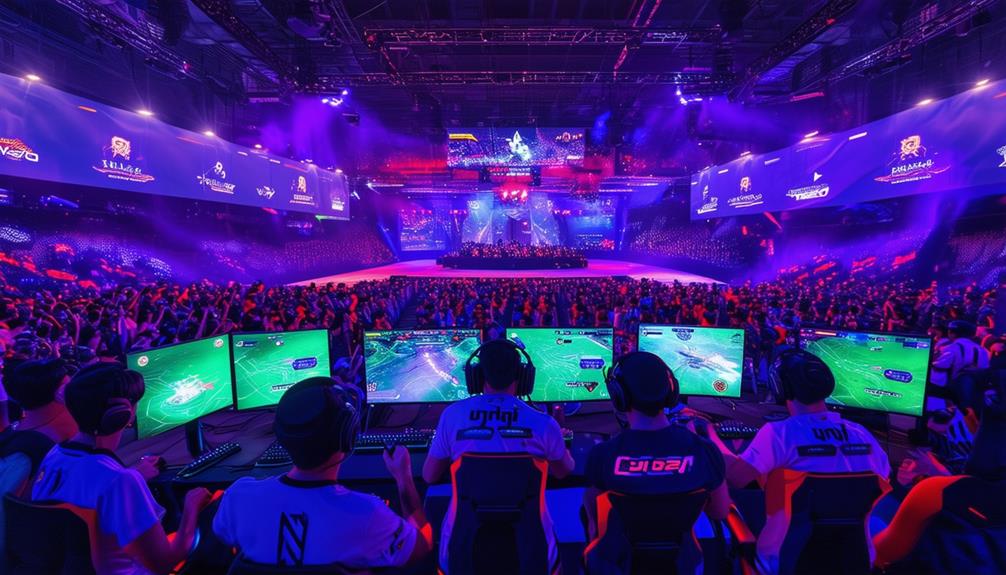
Gaming sponsorships are strategic partnerships where brands collaborate with gaming entities to promote their products or services within the gaming community. These collaborations can take various forms, including league, team, or player sponsorships, providing brands with diverse opportunities for exposure. In 2022, esports sponsorships comprised over 60% of esports revenue, highlighting their critical role in the industry.
Exploring gaming sponsorships reveals a unique way to reach a global audience. By partnering with esports, brands can engage with a highly dedicated and varied group of fans. Whether through sponsoring a league, a team, or an individual player, the potential for brand visibility is substantial.
A significant advantage of these sponsorships is access to valuable data insights. Gaming and esports platforms often offer detailed analytics on audience demographics, engagement levels, and viewing habits. This data enables brands to fine-tune their marketing strategies, ensuring effective connection with their target audience.
Benefits for Brands
By partnering with esports, brands gain access to an engaged audience and unique data insights that can significantly enhance their marketing strategies. Esports sponsorships offer a multitude of benefits that can elevate your brand's visibility and impact. With an estimated 31.6 million esports viewers in 2023, this highly engaged audience presents a valuable opportunity for brand exposure.
Here are four key benefits of esports sponsorships for your brand:
- Enhanced Brand Exposure: Aligning with popular esports events and personalities places your brand in front of millions of dedicated fans, boosting visibility and recognition.
- Highly Engaged Audience: Esports fans are exceptionally engaged, making them more likely to interact with sponsored content and leading to higher conversion rates. This level of engagement is ideal for marketers.
- Innovative Marketing Activations: Esports sponsorships enable creative marketing strategies, such as in-game branding and exclusive content, which help your brand stand out in a competitive market.
- Global Audience Reach: The worldwide appeal of esports allows your brand to connect with a diverse and international audience, expanding your market reach.
Types of Sponsorships
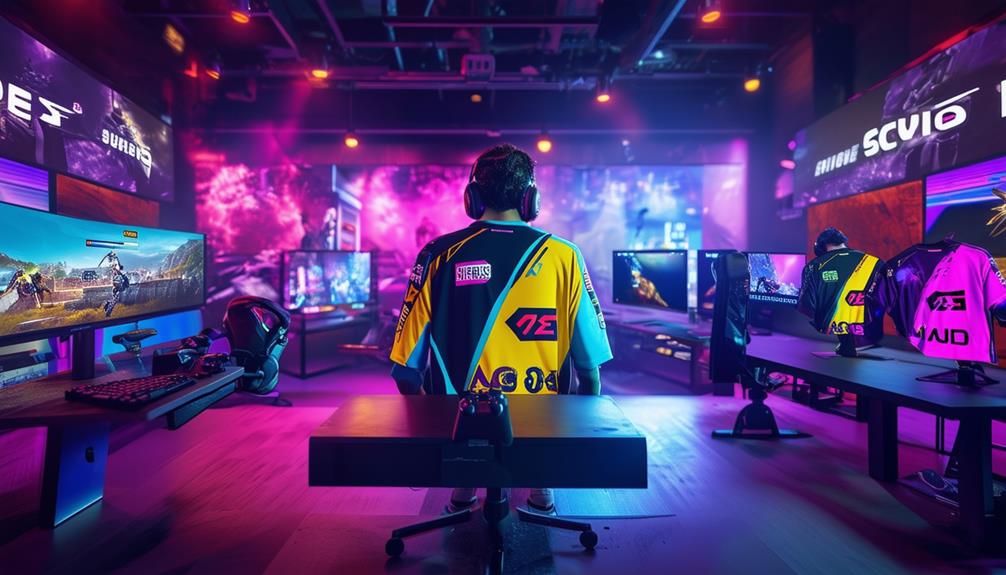
In the realm of esports sponsorships, opportunities generally fall into three main categories: league, team, and player sponsorships. Each offers unique avenues for brand exposure and audience engagement.
League Sponsorships: Partnering with entire esports leagues provides extensive reach across multiple events and a wide audience. This approach maximizes brand visibility and taps into diverse market segments, making it ideal for brands seeking broad exposure.
Team Sponsorships: Focusing on specific esports teams allows brands to connect with dedicated fanbases. This type of sponsorship supports tailored marketing campaigns that align closely with the team's identity and values, ensuring better brand alignment and leveraging existing fan loyalty to enhance brand credibility.
Player Sponsorships: Collaborating with individual gamers or influencers offers a highly personalized connection with the audience, ideal for targeting niche market segments. However, this requires careful consideration of the player's reputation to mitigate risks of negative brand association.
Each sponsorship type has its own revenue models. League and team sponsorships generally involve larger financial commitments but offer broader exposure. In contrast, player sponsorships tend to be more flexible. Strategic planning is essential to ensure your sponsorship initiatives resonate with the gaming community and deliver maximum impact.
Key Players in Esports
Key players in esports include major organizations like the International Esports Federation (IESF) and the World Esports Association (WESA). These entities drive standardized regulations and industry growth, creating a stable environment for marketing efforts. Additionally, influential esports athletes are crucial in shaping trends and attracting sponsorships, further contributing to the industry's development.
Leading Esports Organizations
In the current competitive esports landscape, organizations like TSM, FaZe Clan, Cloud9, and G2 Esports dominate the scene with their skilled teams and massive fan followings. These esports organizations are key players in the industry, leveraging gaming sponsorships to boost their brand presence and audience reach, much like traditional professional sports teams.
- TSM (Team SoloMid): With top-tier teams in League of Legends, Valorant, and Fortnite, TSM has solidified its place as one of the most successful esports organizations. Their strategic gaming sponsorships have elevated their brand presence globally.
- FaZe Clan: Known for its colossal social media following, FaZe Clan competes in Call of Duty, Fortnite, and FIFA. Their brand presence is bolstered by engaging content and significant audience reach, making them a magnet for gaming sponsorships.
- Cloud9: Featuring teams in League of Legends, Valorant, and Counter-Strike: Global Offensive, Cloud9 is a prominent name in esports. Their diverse team roster and strategic partnerships increase their visibility and attract substantial sponsorship deals.
- G2 Esports: As a leading European organization, G2 Esports is renowned for its teams in League of Legends, Rainbow Six Siege, and Rocket League. Their strong performance and extensive fan base make them a prime candidate for lucrative sponsorships.
These organizations are not just teams but powerful brands that drive the esports industry's growth.
Influential Esports Athletes
Esports athletes like Faker and s1mple hold significant sway in the gaming community, attracting substantial sponsorships and loyal fan bases. Their exceptional skills and extensive social media followings make them ideal partners for brands aiming to boost their visibility. These athletes are not merely gamers; they are influential figures capable of converting casual viewers into dedicated fans.
Collaborating with esports athletes allows brands to engage with a highly loyal and passionate audience. For instance, Ninja and Shroud are renowned not only for their gameplay but also for their charisma, making them effective marketing partners. Their ability to draw millions of viewers during high-stakes tournaments offers unmatched brand exposure.
Sponsoring these athletes can greatly enhance your brand's presence. Major companies like Red Bull and Nike have already realized the benefits of partnering with influential esports figures. Aligning your brand with these key players enables you to leverage their reach and influence for impactful marketing outcomes.
Strategies for Success
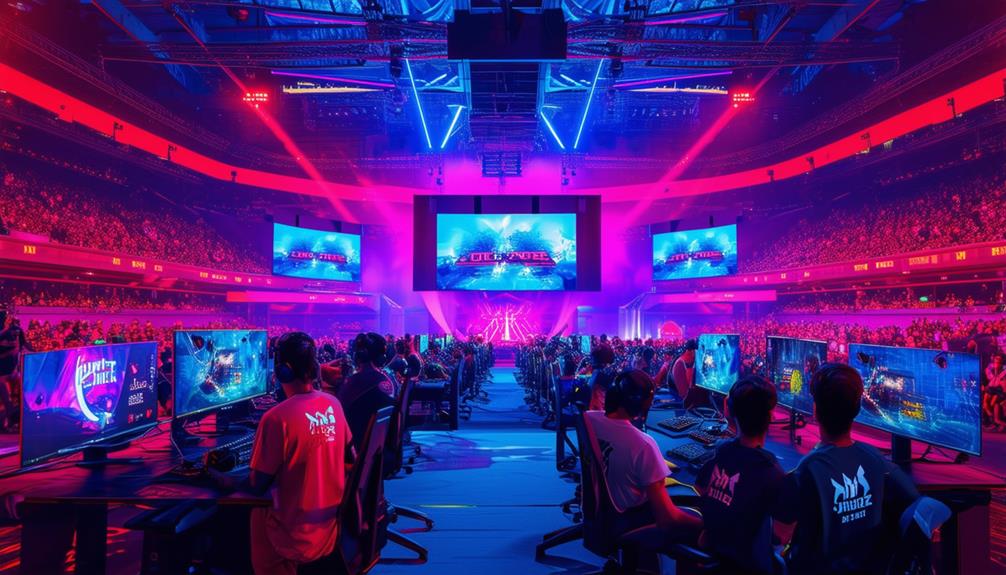
To successfully leverage gaming sponsorships, brands must authentically integrate with gaming personalities and events, creating meaningful connections with their audience. Here are four strategies to achieve this:
- Utilize Data-Driven Insights: Analyze data to understand the preferences and behaviors of the gaming community. Tailor your sponsorship strategy based on these insights to resonate with your target audience, ensuring optimized efforts.
- Foster Authentic Collaborations: Partner with gaming personalities and influencers who genuinely align with your brand values. Authentic collaborations build trust and credibility, enhancing the impact and engagement of your sponsorship.
- Create In-Game Experiences: Develop unique in-game content or virtual tournaments featuring your brand. These immersive experiences boost brand visibility and provide memorable interactions that gamers will appreciate.
- Encourage Audience Interaction: Engage the community through interactive elements like live streams, Q&A sessions, and social media campaigns. Direct interaction with the audience creates a deeper connection, making your brand feel more personal and accessible.
Measuring Impact
Measuring the impact of gaming sponsorships is crucial for evaluating the return on your marketing investment. Key metrics such as brand visibility and engagement levels should be the focal points. Utilizing data analytics tools is essential as they provide insights into viewer demographics and engagement rates, helping you understand your audience profile. Comparing data from before and after the sponsorship can reveal significant improvements in brand awareness and customer acquisition.
Key performance indicators (KPIs) like click-through rates, social media mentions, and website traffic are vital for assessing success. These metrics help you gauge audience interaction with your brand and determine if the sponsorship achieves your marketing goals. Additionally, methods like surveys, focus groups, and brand sentiment analysis provide direct audience feedback, offering another layer of valuable insight.
Challenges and Solutions

Navigating the dynamic landscape of gaming sponsorships presents several challenges, but understanding these issues can lead to effective solutions. The fluid nature of the esports industry complicates standardizing accounting practices, affecting financial stability. Market volatility, driven by player popularity, game trends, and evolving technologies, further impacts this stability. However, adopting real-time reporting tools, implementing fraud detection measures, and adhering to regulatory compliance can greatly improve financial management in esports advertising.
To maintain financial stability and safeguard against uncertainties, it is crucial to navigate varying regulatory frameworks. Organizations like the International Esports Federation (IESF) and the World Esports Association (WESA) are striving to achieve regulatory uniformity to mitigate financial and operational risks in the gaming industry. Sponsorships and advertising in esports must adapt to these evolving regulations to ensure long-term success.
Here are four key strategies to tackle these challenges:
- Implement Real-Time Reporting Tools: Enhance accuracy and transparency in financial management.
- Adopt Fraud Detection Measures: Protect investments and ensure fair play within the industry.
- Comply with Regulatory Frameworks: Stay updated on regulations to maintain financial stability.
- Collaborate with Regulatory Bodies: Work with organizations like IESF and WESA to help standardize practices.
Future Trends in Gaming
Looking ahead, expect the integration of virtual reality, the expansion of cloud gaming, and the growth of esports and live streaming to revolutionize the industry. These trends will create unparalleled marketing opportunities, enabling brands to engage with audiences in immersive and innovative ways. Stay informed to see how these advancements can enhance your sponsorship strategies.
Virtual Reality Integration
Virtual reality (VR) integration in gaming is poised to revolutionize the industry, offering players unparalleled immersion in simulated environments. The global VR gaming market is projected to surge to $45.09 billion by 2027, underscoring the profound impact of this trend. For marketers, this presents an exceptional opportunity to connect with tech-savvy audiences who crave the latest in gaming technology.
By leveraging VR gaming, you can create immersive brand experiences that captivate and engage players. Imagine your brand being part of a breathtaking virtual world where players can interact with your products in ways that traditional marketing can't achieve. This form of interactive marketing allows for deeper engagement and a more memorable brand presence.
Benefits of VR Integration for Marketing
- Enhanced Brand Visibility: Gain exposure in highly immersive environments where players spend significant time.
- Innovative Product Demonstrations: Showcase your products in a cutting-edge, interactive setting.
- Targeted Engagement: Reach tech-savvy audiences who are more likely to appreciate and respond to high-tech marketing.
- Unique Sponsorship Opportunities: Partner with popular VR games to seamlessly integrate your brand into the gaming experience.
Embrace VR gaming sponsorships to stay ahead in the constantly evolving marketing landscape.
Cloud Gaming Expansion
The rise of cloud gaming is set to redefine the gaming experience, offering unparalleled flexibility and access without the need for expensive hardware. With a market projected to reach $7.24 billion by 2027, cloud gaming is poised to become a major player in the gaming industry. Leading platforms such as Google Stadia, Microsoft xCloud, and NVIDIA GeForce Now are at the forefront of this expansion, enabling high-quality gaming on various devices.
A key driver of this market growth is the advent of 5G technology. Faster network speeds and reduced latency will make gaming experiences smoother and more enjoyable. This technological leap allows demanding games to be played on smartphones and tablets with minimal lag, transforming the gaming landscape.
Subscription-based services also play a significant role. For a fixed monthly fee, users gain access to a library of games, providing a cost-effective alternative to traditional gaming setups. This model appeals to gamers seeking variety and opens new avenues for gaming sponsorships. Brands can leverage these platforms to reach a broader audience, making cloud gaming a lucrative space for marketing.
Esports and Live Streaming
Esports and live streaming are swiftly becoming mainstream, attracting millions of users and creating significant marketing opportunities. By 2023, the esports industry is projected to reach 84 million users in the US alone. Streaming platforms like Twitch are at the forefront, expected to have 35.3 million users, making them prime venues for exposing gaming content to vast audiences.
The financial potential in esports is immense. In 2022, ticket sales and merchandise generated over $100 million, while media rights revenue neared $208 million, underscoring the undeniable power of this industry. As an investor or marketer, tapping into these revenue streams can significantly enhance your brand's visibility and engagement.
Consider these four key opportunities in esports and live streaming:
- Sponsorship Deals: Partner with top esports teams or streamers to reach dedicated gaming communities.
- Content Creation: Develop engaging gaming content tailored for streaming platforms to captivate your audience.
- Event Hosting: Organize or sponsor esports tournaments to directly interact with the gaming community.
- Merchandising: Capitalize on the popularity of esports to sell branded merchandise.
Investors from diverse sectors, including traditional sports franchises and brand marketers, are recognizing the potential and actively engaging in this booming market. Don't miss out on the next big wave in marketing innovation.
Conclusion
In conclusion, gaming sponsorships can significantly transform your marketing strategies. By engaging with the dedicated gaming community, you can boost your brand's visibility and interaction. Utilize creative activations and data-driven approaches to build genuine connections with gamers. Address challenges and stay informed about future trends to maximize your impact. Delve into gaming sponsorships to uncover exceptional opportunities for growth and brand loyalty.