Using Augmented Reality Games for Interactive Marketing

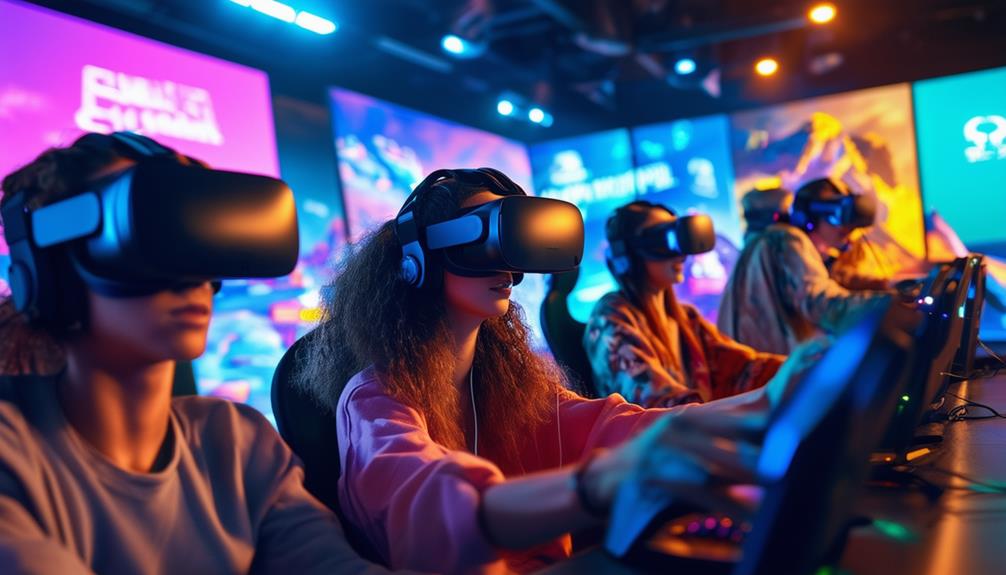
Consider enhancing your marketing strategy by incorporating Augmented Reality (AR) games. These immersive experiences captivate audiences by seamlessly blending digital and physical worlds. As consumers increasingly seek interactive content, AR games offer a creative way to engage them, boost brand visibility, and drive sales. Imagine a campaign where customers not only view your products but interact with them in dynamic, memorable ways. Curious about how successful brands have harnessed this technology to revolutionize their marketing efforts? Let's explore the benefits and strategies that can transform your approach.
Benefits of AR Games
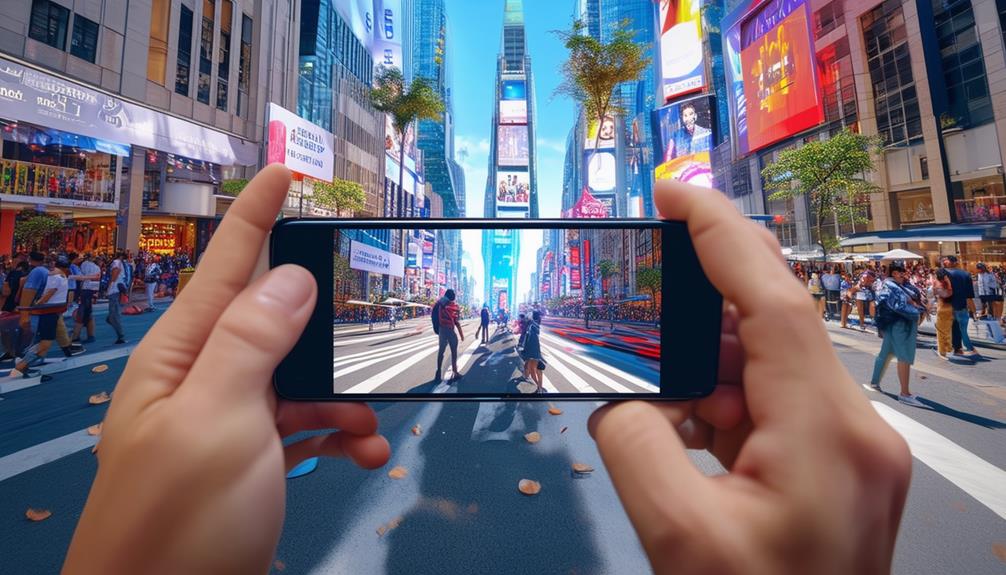
Incorporating AR games into your marketing strategy can significantly improve customer engagement. These games provide interactive and immersive experiences that capture attention and foster deeper connections with consumers. By integrating AR games, you not only enhance brand visibility in a crowded marketplace but also create a unique platform for social sharing and word-of-mouth marketing.
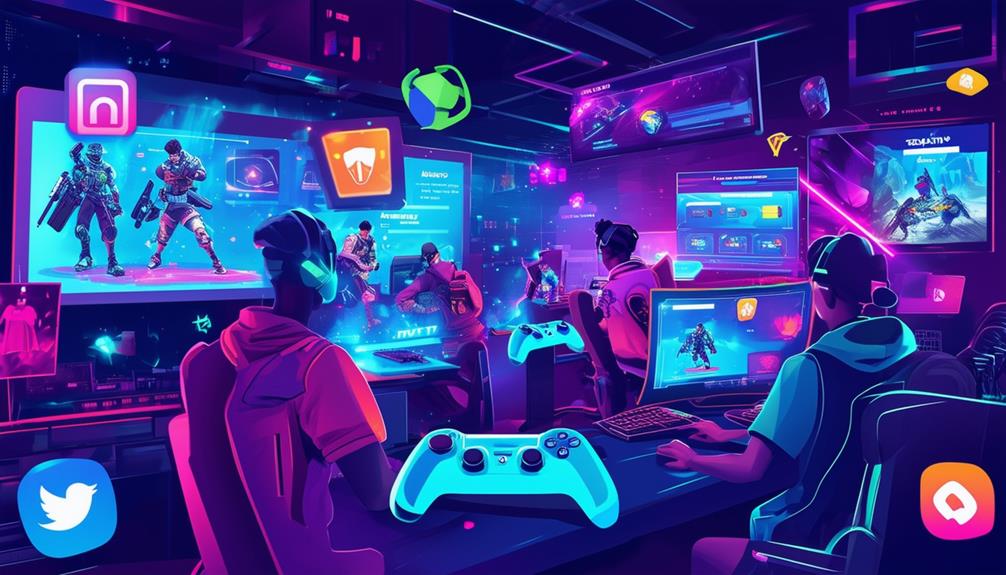
As players engage with AR games, they are likely to share their experiences on social media, thereby expanding your brand's reach. This interaction encourages brand loyalty, as customers feel a personal connection through engaging and personalized experiences.
Additionally, AR games are effective in driving sales. Studies show that customers who engage with AR games are more satisfied and more likely to make a purchase. Offering immersive and interactive experiences creates memorable interactions that can turn casual interest into long-term loyalty.
Successful AR Game Campaigns
Niantic's collaboration with Circle K in Pokémon Go exemplifies the effectiveness of AR game campaigns in engaging massive user bases. This campaign successfully reached over 85 million monthly active players through rewarded AR ads, demonstrating the significant potential of interactive marketing in today's digital landscape.
Successful AR game campaigns extend beyond just one example. Here are four more noteworthy cases:
- L'Oréal Garnier: Leveraging an Instagram AR filter to promote their Vitamin C Glow Enhance Night Serum, L'Oréal Garnier partnered with local influencers in the Nordics to craft a targeted and engaging digital experience.
- Vodafone: During Christmas 2023, Vodafone's Elf and Seek AR game encouraged players to catch digital elves displayed on Digital Out-of-Home (DOOH) screens in various locations, offering prizes and enhancing user engagement.
- Warner Bros: The Dune: Part Two Snapchat Lens enabled users to transform into Fremen and ride a giant sandworm, seamlessly integrating with the film's promotional activities to provide an immersive, interactive experience.
- Malfy Gin: Using QR code scanning, Malfy Gin's AR campaign transported users to the Amalfi Coast, appealing to style, travel, and adventure enthusiasts with a captivating digital journey.
These campaigns demonstrate how AR filters, influencer collaborations, DOOH screens, and Snapchat Lenses can create engaging and memorable interactive experiences for users.
Implementing AR in Marketing

Building on the success of AR game campaigns, incorporating augmented reality (AR) in marketing can significantly enhance customer engagement and boost sales. By leveraging AR technology, traditional marketing can be transformed into an interactive experience that captivates and retains audiences. In fact, 61% of consumers prefer retailers who offer AR experiences. This preference translates into tangible benefits, as AR effectively bridges the gap between online and in-store shopping, aiding decision-making and resulting in a 71% increase in sales.
To harness AR in marketing, consider various strategies. Integrate AR features into your social media campaigns to generate excitement and highlight your products or services. Social media platforms are ideal for sharing AR experiences, making it easier for your audience to engage and share their enthusiasm with others. This not only amplifies consumer engagement but also contributes to the annual growth in the AR and VR market, which is projected at 13.72%.
Industries like media are already heavily investing in AR marketing, and it's an opportune time for other sectors to follow suit. With the right marketing strategies, AR can be a game-changer, driving sales and enhancing consumer engagement.
Measuring AR Game Impact
To measure the impact of your AR game campaigns effectively, it's crucial to track key metrics such as engagement rates, user interactions, and conversion rates. These metrics offer a comprehensive understanding of your AR game's impact and guide strategic refinements.
- Tracking User Behavior: Monitor user interactions to identify popular features and areas needing improvement. Analyze the time spent playing to gauge content engagement.
- Measuring Conversions: Assess conversion rates to determine the number of users completing desired actions, such as making purchases or signing up for newsletters.
- User Retention and Social Sharing: High retention rates suggest that users find your game valuable and engaging. Promote social sharing to enhance brand awareness and extend your reach.
- Collecting Feedback: Gather user feedback to understand what users love and what needs improvement, informing future updates and enhancements.
Additionally, tracking metrics like click-through rates, downloads, and in-game purchases provides a detailed view of your AR game's performance. Employing analytics tools to monitor these key performance indicators will help you optimize your AR game strategies for maximum impact.
Future Trends in AR Marketing

As technology rapidly evolves, AR marketing is set to revolutionize how businesses engage with their audiences. Future trends indicate a surge in immersive technology, creating more interactive experiences that captivate users. With investments in AR marketing now valued at $13.72 billion, it's evident that companies are prioritizing advanced customer engagement.
You'll see creative marketing strategies utilizing AR advertising campaigns to offer personalized shopping experiences. Imagine customers virtually trying on clothes or visualizing how furniture fits in their homes before making a purchase. This isn't just a novelty—61% of consumers prefer retailers that offer these AR experiences, increasing satisfaction and loyalty.
AR marketing spans various sectors, including gaming, automotive, retail, healthcare, and education. The media industry, in particular, holds the largest market share and is pivotal in advancing digital experiences. As revenue in the AR and VR market is expected to grow by 13.72% annually, more brands will likely adopt AR to foster deeper brand interaction.
Conclusion
Incorporating AR games into your marketing strategy creates unforgettable and engaging experiences that captivate your audience. This approach enhances brand visibility, drives customer engagement, and bridges the gap between online and in-store shopping. Successful campaigns demonstrate that AR games can boost sales, improve customer retention, and encourage social sharing. By leveraging AR technology now, you position your brand ahead of the curve, paving the way for future marketing innovations. Don't miss out on the AR revolution!