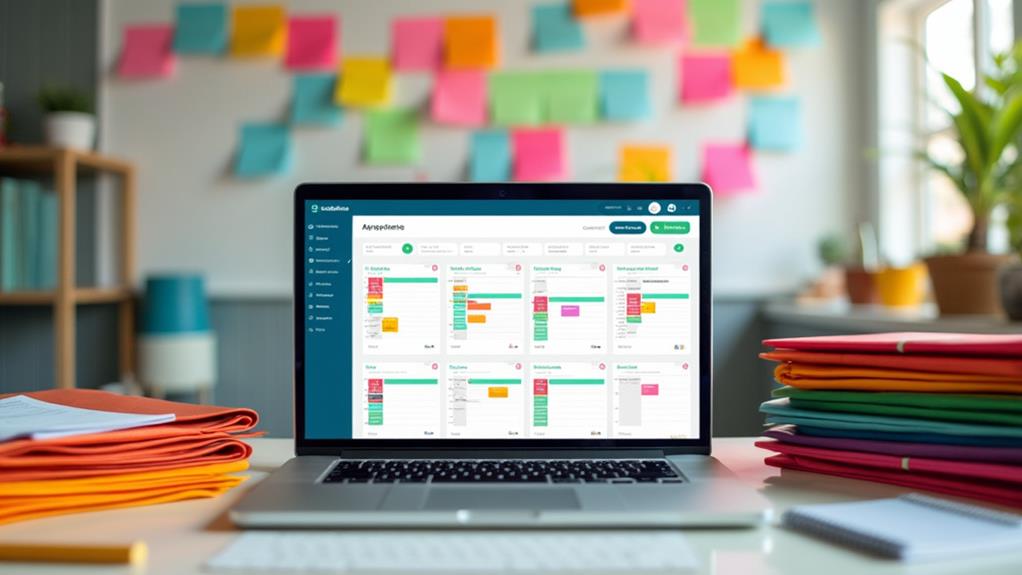
What Is Content Versioning?

Content versioning lets you efficiently manage and track changes in your digital content. It automatically records edits as distinct versions, maintaining a history that guarantees compliance and accountability with audit trails. You can quickly revert to previous versions, keeping your content integrity intact and simplifying error recovery. By supporting collaboration, versioning allows multiple contributors to work seamlessly without overwrites. Tools like Git and GitHub provide visual comparisons and secure storage for different versions. Implement versioning best practices like clear naming conventions and regular backups to improve performance and security. Uncover how these features can streamline your content workflows.
Understanding Content Versioning
Content versioning is vital for managing digital content efficiently. When you track changes using content versioning, each modification to your document is logged as a distinct version. This means you can easily manage versions by comparing, restoring, or even rolling back to previous iterations whenever needed. By keeping a historical record of every edit, you guarantee that nothing is lost and that you can always refer back to earlier stages of your content. Version control systems automate the process of tracking changes, making your task much simpler.
They offer manual checkpoints, which allow you to mark significant changes deliberately and maintain a clear audit trail. This is key for compliance and accountability, confirming that you always know who made which changes and when. It also supports collaboration among your team, as everyone can work on the same document simultaneously without overwriting each other's contributions. Semantic Versioning (SemVer) adds another layer of clarity by using a structured format like MAJOR.MINOR.PATCH to denote the extent and nature of changes.
This structured approach helps maintain compliance by ensuring accurate changelogs and audit trails, crucial for meeting regulatory standards. With content versioning, you gain control over the evolution of your digital content, facilitating organized and effective management.
Key Features of Versioning
As you investigate the mechanics of content versioning, it's imperative to recognize the key features that make it an indispensable tool for efficient content management. At its core, content versioning allows you to automatically track modifications, creating distinct versions for every change. This functionality guarantees that you can easily revert to previous versions if needed. Each time you publish new content, a new version is generated, with an incremented version number, giving you a clear history of changes and updates.
One standout feature is the ability to compare versions. This lets you visualize the differences between the current and previous versions, helping you make informed editing decisions. Regardless of whether you're refining a document or revisiting a past project, the comparison tool is a game-changer in understanding content evolution.
Audit trails are another significant component, maintaining a thorough record of all edits and changes. This is not only fundamental for compliance but also aids in documentation management within content workflows. Additionally, content versioning supports collaboration by allowing multiple contributors to work on different versions simultaneously without overwriting each other's work. This guarantees a seamless and efficient collaborative environment.
Benefits of Content Versioning

Leveraging content versioning brings a multitude of advantages to your content management strategy. Firstly and foremost, content versioning guarantees you can swiftly revert to a previous version of your content, safeguarding its integrity and helping you recover from errors or unwanted changes. This feature is vital when you need to manage content efficiently, as it provides a safety net that allows you to fix mistakes without starting from scratch.
Regular updates to your CMS, which often include enhanced SEO tools and other performance improvements, are essential for maximizing your content management system's capabilities. Maintaining a thorough version history also supports compliance and transparency. By documenting every change, you confirm that your content processes are open and verifiable, which is particularly significant in regulated industries. Furthermore, the ability to track changes over time improves collaboration among team members. You can review and comment on different versions, fostering a more cohesive and informed workflow.
Content versioning supports the efficient management of multiple drafts, streamlining workflows during drafting, reviewing, and publishing stages. It reduces the risk of overwriting work, improving team accountability and traceability. When each team member knows their contributions are accurately recorded, collaboration becomes smoother and more reliable. Essentially, content versioning is an indispensable tool for managing your content with precision and confidence.
Version Control Systems
Building on the benefits of content versioning, version control systems (VCS) provide a robust framework for managing changes to digital content. With VCS, you can track content versions over time, ensuring that every modification is documented and accessible. This system is crucial for projects involving multiple contributors, as it allows everyone to work simultaneously without overwriting each other's changes. Features like branching and merging make parallel development seamless, fostering efficient collaboration.
Popular version control systems, such as Git, adopt a distributed model. This means each user maintains a complete copy of the repository on their local machine, improving data integrity and reducing the risk of data loss. VCS tools also automatically log changes with detailed commit messages. This creates an audit trail that bolsters accountability and makes tracking modifications straightforward.
One of the standout features of VCS is the ability to compare versions. This functionality lets you visualize differences between content versions, making it simple to identify specific changes. If necessary, you can easily revert to previous iterations. By using VCS, you gain a powerful toolset that not only organizes your work but also improves the quality and reliability of your digital content. Additionally, plugins and extensions, add-ons, or modules can enhance the functionality of your VCS, allowing for further customization and efficiency.
Best Practices in Versioning

In regard to versioning, adhering to best practices guarantees your digital content stays organized and dependable. You'll want to create a new version before making any significant changes. This step guarantees you have a rollback option if things don't go as planned. Maintaining a clear version history is vital, as it helps you document changes between versions. This makes it effortless to track progress and comprehend the evolution of your content. Additionally, using a content calendar to plan and schedule updates can help manage versioning effectively.
To keep things manageable, regularly delete unnecessary versions from your version repository. This practice boosts performance and guarantees you aren't overwhelmed with too many outdated files. Consistent naming conventions for versions are another key aspect. They facilitate easier identification and retrieval of specific iterations, saving time and reducing confusion. Implementing versioning best practices like Semantic
Versioning provides structure to your version numbers, clearly indicating the nature of changes made. This clarity is invaluable for both you and your team.
Here are some pointers to help you with versioning:
- Create a new version before significant changes.
- Maintain a clear version history for easy tracking.
- Regularly clean up your version repository.
- Use consistent naming conventions.
- Implement Semantic Versioning.
Avoiding Common Pitfalls
While adhering to best practices in versioning streamlines your processes, it's likewise essential to watch out for common pitfalls that could undermine your efforts. As projects grow, the complexity of versioning tasks increases, making it important to use detailed commit messages and standardized naming conventions. This helps you keep track of changes across multiple versions, preventing confusion and errors.
Another pitfall is the impact of content versioning on collaborative projects, where merge conflicts can arise. To tackle this, employ three-way merge tools that provide clear resolution interfaces, guaranteeing everyone stays on the same page and edits are efficiently integrated. Don't overlook permission management; as more developers join your project, it's crucial to manage access rights carefully to protect your content's integrity.
Regularly documenting changes between versions is significant for maintaining a transparent version history. This not only aids in keeping track but also helps in understanding how content evolves over time. Finally, remember to periodically delete unnecessary versions. This practice prevents clutter in the version repository, enhancing manageability and performance. By avoiding these pitfalls, you guarantee your versioning system remains a powerful tool rather than a source of frustration.
Role in Team Collaboration

When you're working in a team, content versioning becomes a foundation of effective collaboration. It improves Content Management by letting multiple contributors work on different drafts simultaneously without stepping on each other's toes. Versioning allows for structured workflows, where team members can review, comment, and approve changes before they're published. This guarantees accountability and traceability throughout the process.
With content versioning, you get a clear audit trail, which is invaluable for tracking who made specific changes and when. This level of transparency is essential for collaborative projects, helping to build trust and understanding within the team. Plus, the ability to restore previous versions is a lifesaver when you need to recover from errors or unwanted changes. This creates a risk-free environment that encourages creativity and experimentation.
Content management systems offer built-in version control features that track changes and facilitate easy reversion to previous versions, enhancing collaboration and security.
Here's how content versioning supports your team:
- Simultaneous Drafting: Work on different parts of a project without conflicts.
- Structured Workflow: Review, comment, and approve changes smoothly.
- Audit Trail: Track changes and maintain transparency.
- Error Recovery: Quickly revert to previous versions if needed.
- Seamless Integration: Use branching and merging to consolidate work efficiently.
Security and Backup Measures
As your team thrives on collaboration through content versioning, it's vital to guarantee that security and backup measures are robustly in place. Start by implementing strong authentication methods like multi-factor authentication (MFA) to secure access to your versioned content. This step is significant in preventing unauthorized edits and ensuring that only authorized team members can make changes. Incorporating regular updates and patch management into your security practices is essential for addressing vulnerabilities and preventing breaches.
Regular backups of your versioned content are similarly important. They allow you to restore previous iterations if you encounter data loss or corruption, thereby maintaining the integrity of your content. Encryption plays a key role in protecting your content, both at rest and in transit, safeguarding sensitive information from breaches and unauthorized access. Audit logs are another important component. They track changes and actions within your version control systems, providing a detailed history that improves accountability and traceability.
This feature helps you keep a close eye on who did what, when, and why. Lastly, don't overlook the significance of disaster recovery plans that incorporate versioning strategies. These plans enable you to quickly revert to stable content states after incidents, minimizing downtime and reducing the risk of data loss. Your team's success depends on these fundamental security and backup measures.
Tools for Effective Versioning

Effective versioning requires the right set of tools to streamline collaboration and content management. Using version control software like Git can help you carefully track changes across multiple content versions. It allows your team to collaborate more effectively and manage alterations with ease. To store and manage different versions, source code repository systems such as GitHub and Bitbucket become invaluable. They offer features like branching and merging, which simplify workflows and keep your content organized. A distraction-free writing mode can enhance content production by minimizing interruptions, allowing you to focus on edits and version updates. Here are some important tools and features for effective versioning:
- Version Control Software: Use Git to monitor changes and collaborate seamlessly.
- Source Code Repositories: Platforms like GitHub provide a robust Management System for storing and handling different versions.
- Version Labels: Quickly identify content iterations, making it easier to navigate through different versions during edits.
- Version Comparison Tools: Analyze differences between content iterations to visualize changes and make informed edits.
- Version Repository Management Systems: Guarantee secure storage and easy access to diverse content versions when needed.
Future of Content Versioning
With the rapid advancement of technology, the future of content versioning is set to undergo significant transformations. You're going to see artificial intelligence and machine learning revolutionize how we manage content versions. These technologies will automate tracking and offer intelligent suggestions for updates, all based on user interactions and emerging trends. This means less manual work for you and more accurate, timely updates.
As businesses shift towards headless CMS architectures, content versioning will adapt to guarantee seamless integration across multiple channels. This evolution improves consistency and elevates delivery efficiency, making content management more streamlined. Imagine having improved collaboration tools that allow real-time editing and versioning across distributed teams. You'll face fewer merge conflicts and enjoy smoother workflows. Blockchain technology could also play a role, providing immutable audit trails for content changes.
This guarantees greater security and transparency in version management, giving you peace of mind about the integrity of your content. With personalized content experiences on the rise, versioning systems will need to support dynamic content that adapts to user preferences. You'll have more sophisticated tracking mechanisms to handle varied content iterations, keeping your content relevant and engaging. AI-powered analytics provide insights into user interactions, enabling optimization of content strategies based on user engagement.