
What Is the Difference Between a Static Landing Page and a Dynamic Landing Page?

Static landing pages present uniform content to every visitor, making them ideal for consistent messaging and cost-effective for smaller budgets. They load quickly and require minimal maintenance but lack personalization. On the other hand, dynamic landing pages adapt their content based on user behavior, providing a tailored experience that enhances engagement. These pages may include interactive elements like quizzes, but come with higher costs and security challenges. They demand continuous monitoring and technical expertise.
Choosing between them depends on your budget, technical capacity, and marketing goals. By exploring further, you can uncover which fits your needs best.
Defining Static Landing Pages
Static landing pages offer a straightforward solution for delivering consistent content to every visitor. These web pages are designed to provide a uniform message, guaranteeing clarity in your marketing message. As a business, you might appreciate that static landing pages are low-maintenance resources, requiring minimal content management and infrequent updates. This makes them an ideal choice, especially if you're working with limited budgets. You'll find that static landing pages are cost-effective.
They can often be hosted for free, which is perfect if you're looking to keep expenses down. This is particularly advantageous for small businesses or startups needing to optimize their marketing impact without overspending. In terms of content, static landing pages often feature elements such as testimonials and statistics. These components are strategically placed to persuade visitors to take specific actions, regardless of whether it's signing up for a newsletter or making a purchase.
By maintaining a consistent presentation, you guarantee that every visitor receives the same compelling marketing message. For additional optimization, integrating SEO tools like Yoast SEO can ensure that your static landing page adheres to best practices, improving its visibility in search engine rankings.
Characteristics of Dynamic Landing Pages
When you investigate dynamic landing pages, you'll notice they offer a personalized experience by updating content in real-time according to user behavior and preferences. This approach means each visitor sees content tailored specifically for them, enhancing engagement and interest. Real-time content updates are possible because these pages analyze data from user interactions, allowing you to refine offers and messages.
This personalization can lead to higher conversion rates, as users are more likely to respond positively to content that aligns with their needs. Dynamic landing pages often include interactive elements such as quizzes and product selectors. These features engage users, encouraging them to participate actively, which in turn provides more data to further personalize their experience.
Although these pages require a higher initial development cost due to complex coding and robust back-end systems, the potential for increased user engagement and conversions often justifies the investment. Companies leveraging predictive content analytics can further personalize their dynamic landing pages, leading to improved engagement and increased revenue.
Benefits of Static Pages

Although dynamic landing pages offer personalized experiences, static landing pages have their own set of advantages that make them appealing, especially for businesses with limited budgets. They're incredibly cost-effective to create and host, which is perfect if you're looking to stretch your marketing dollars. Their quick loading speeds guarantee a smooth user experience, reducing the chances of visitors abandoning the page due to delays.
Static landing pages also provide a uniform message to all visitors, which can improve brand recognition by maintaining consistency in your marketing campaigns. This clarity helps you reinforce your brand's core message without the need for constant adjustments. Plus, with their low maintenance requirements, you won't need to worry about frequent content updates. This makes them a smart choice if your business doesn't rely on interactive features.
Designing and deploying static landing pages is straightforward, allowing you to quickly implement marketing campaigns without complex technical hurdles. This ease of use means you can focus more on your complete strategy rather than getting bogged down by technical issues. In short, static landing pages offer a reliable, efficient way to reach your audience and achieve your marketing goals. To further enhance your web presence, consider optimizing images and media for faster loading times, which can significantly improve user experience.
Drawbacks of Static Pages
While static landing pages offer numerous benefits, they also come with certain limitations that businesses should consider. One major drawback is the need for manual updates whenever you want to make content changes. This can be time-consuming and may lead to outdated information, which isn't ideal for maintaining user engagement. Additionally, static pages provide a uniform experience for all visitors, failing to adapt to user behavior. This lack of personalization can result in lower engagement compared to dynamic pages, which can tailor experiences to individual users.
It's important to recognize that mobile optimization is crucial, as over 54% of global website traffic originates from mobile devices, making responsive design essential for maintaining user engagement.
Here are three key drawbacks of static pages:
- Limited Interactivity: Static pages don't support interactive features like quizzes or forms that change based on user input. This can hinder your ability to convert visitors into leads, as there's less opportunity for interaction.
- Targeted Marketing Challenges: Since static pages are fixed, they may not effectively cater to different audience segments. This limits your targeted marketing capabilities, potentially missing out on engaging specific groups with tailored content.
- Branding Inconsistencies: Maintaining multiple static pages for different campaigns can lead to inconsistencies in messaging and branding. This might confuse your audience and dilute your marketing efforts.
Advantages of Dynamic Pages

Because dynamic landing pages adapt content in real-time based on user interactions, they offer a personalized experience that can dramatically improve engagement and conversion rates. When users visit these pages, they encounter content that feels tailored specifically to them, thanks to the integration of user data. This personalized experience can make your visitors feel understood and valued, encouraging them to stick around and investigate further.
Dynamic landing pages often include interactive elements like quizzes or calculators, which invite user participation and increase engagement. These features not only make the page more engaging but also provide valuable insights into user preferences and behavior. By analyzing this user data, you can present tailored calls to action that are more likely to resonate with your audience, raising the chances of conversion.
Automated content updates guarantee that your landing page is always current, eliminating the need for constant manual changes. This efficiency allows you to focus on refining your marketing strategies based on the insights gained from user interactions. Ultimately, dynamic pages help you create a more engaging and effective experience for your visitors, improving both user retention and conversion rates. Additionally, personalized product recommendations can boost conversion rates by 170%, showcasing the powerful impact of tailored content.
Limitations of Dynamic Pages
Dynamic landing pages offer many benefits, but they also come with some limitations that you should consider. Setting up and maintaining these pages often requires technical expertise in server-side languages and database management. This complexity can be a barrier if you lack the necessary skills or resources. Moreover, the reliance on real-time content delivery can result in slower load times, which negatively impacts user experience and conversion rates. It's essential to weigh these factors if you're considering dynamic pages for your campaign.
Here are some specific limitations you might encounter:
- Security Risks: Dynamic pages depend on databases, making them vulnerable to security threats like SQL injection attacks if not properly secured. This requires constant vigilance and robust security measures.
- Higher Hosting Costs: Due to increased server resource requirements, dynamic pages can lead to higher hosting costs. This makes them less appealing for campaigns with limited budgets.
- Maintenance Challenges: Managing and optimizing performance involves continuous monitoring of user interaction and server response times. This can be time-consuming and requires ongoing attention to guarantee the best performance.
Additionally, choosing the right hosting solution is crucial for managing the demands of dynamic pages, as it can significantly impact both performance and cost efficiency.
Considering these limitations can help you make an informed decision about if dynamic landing pages are the right choice for your needs.
User Experience Differences
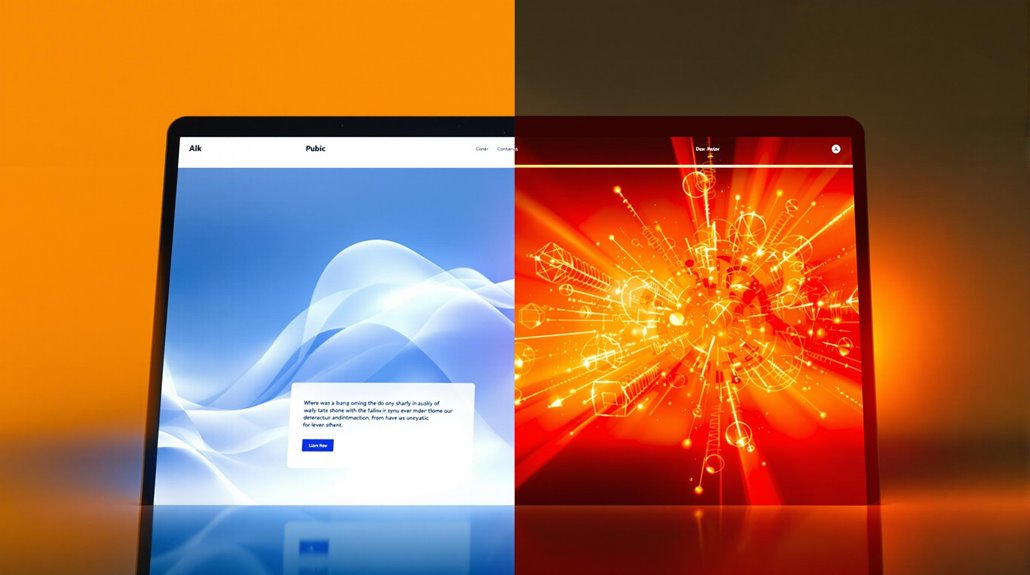
After weighing the limitations of dynamic landing pages, it is crucial to investigate how they differ regarding user experience. Static landing pages offer a consistent experience, delivering the same content to every visitor. While this might streamline simplicity, it also limits engagement opportunities. Without the ability to adapt, static pages can feel generic, leading to fewer interactions and higher bounce rates.
In contrast, dynamic landing pages shine by creating a personalized experience. They adapt in real-time to user interactions, preferences, and demographics, which naturally increases engagement. When you visit a dynamic page, you're likely to encounter interactive elements like quizzes or tailored recommendations that align with your interests. This interactivity not only captivates users but also greatly improves conversion rates.
Dynamic pages also excel in user satisfaction by delivering tailored messages that resonate with individual needs. As a result, users find the content more relevant and engaging, reducing bounce rates and encouraging them to investigate further. Fundamentally, dynamic landing pages offer a user experience that feels customized and appealing, whereas static landing pages might struggle to maintain visitor interest due to their unchanging nature. Dynamic content strategies, such as behavioral triggers, can further enhance engagement by responding to specific user actions.
When to Use Static Pages
For straightforward objectives, static landing pages are an excellent choice. They're perfect when you need to deliver a consistent message without frequent changes. If you're running a small business or startup, static pages are cost-effective, making them ideal for limited budgets. They load quickly due to pre-built content, enhancing user experience and reducing bounce rates. When you want to target a specific audience, static pages let you craft clear calls to action (CTAs) without the distractions of interactivity.
You don't need much technical expertise to set one up. Basic HTML and CSS knowledge will suffice, making it accessible for those who aren't tech-savvy. Regular maintenance, like checking and removing spam comments, further supports the performance and reliability of your static landing pages. Here's when you should consider using static landing pages:
- Budget Constraints: Small businesses can benefit from the low-cost setup and hosting of static pages.
- Consistent Messaging: If your message doesn't change often, static pages provide a reliable platform to communicate with your audience.
- Speed and Performance: Pre-built content guarantees your page loads quickly, which is essential for maintaining a positive user experience.
When to Choose Dynamic Pages
In a world where personalization is key, opting for dynamic landing pages can greatly improve user engagement and conversion rates. Unlike a static landing page, dynamic landing pages adapt content based on visitor behavior and preferences, offering personalized experiences that resonate with your audience. If your marketing objectives include crafting campaigns that rely on real-time data updates, consider dynamic pages. They excel in scenarios like promotions based on user location or browsing history, which can greatly increase conversion rates.
Dynamic landing pages are also ideal for businesses with frequent updates or changes in inventory. They streamline content management, ensuring visitors always see the latest offers. Incorporating interactive features such as quizzes or product recommendations can further raise user engagement, making dynamic pages a perfect fit for brands targeting specific audience segments.
If you aim to gather detailed user insights and feedback, dynamic pages offer interactive features that facilitate data collection, helping refine future campaigns. Additionally, incorporating beacon technology can enhance personalized promotions by sending targeted offers based on proximity and customer interests.
Ultimately, if your goal is to stay agile and responsive to your audience's needs and preferences, dynamic landing pages provide a robust platform. They're tailored for those who want to utilize visitor behavior to meet evolving marketing objectives effectively.
Combining Static and Dynamic Approaches
Many find success in blending static and dynamic elements on landing pages, creating a hybrid approach that enhances user engagement and conversion rates. By combining a static landing page's consistent elements like headers and CTAs with dynamic landing page features, you can offer personalized content tailored to individual user interactions. This mix not only captivates your audience but also caters to different audience segments, improving their overall experience and satisfaction.
Here's how you can effectively combine static and dynamic approaches:
- Personalized User Interactions: Integrate dynamic elements such as quizzes or personalized offers that adapt based on user preferences or behavior, thereby creating tailored experiences that elevate engagement.
- Streamlined Content Updates: Use platforms like Wix to easily update content without compromising the design integrity of your static landing page. This allows you to keep your information fresh and relevant for your audience.
- Performance Optimization: By offering straightforward information through static components while engaging users with dynamic interactions, you optimize your landing page's performance for different audience segments, ultimately increasing conversion rates.
Incorporating both static and dynamic features not only guarantees a consistent brand message but also provides the flexibility needed to adapt to ever-changing user needs and market trends. Additionally, utilizing built-in SEO tools in a CMS can significantly improve visibility and search rankings for hybrid landing pages.