A Non-Technical Guide to WordPress Security Best Practices
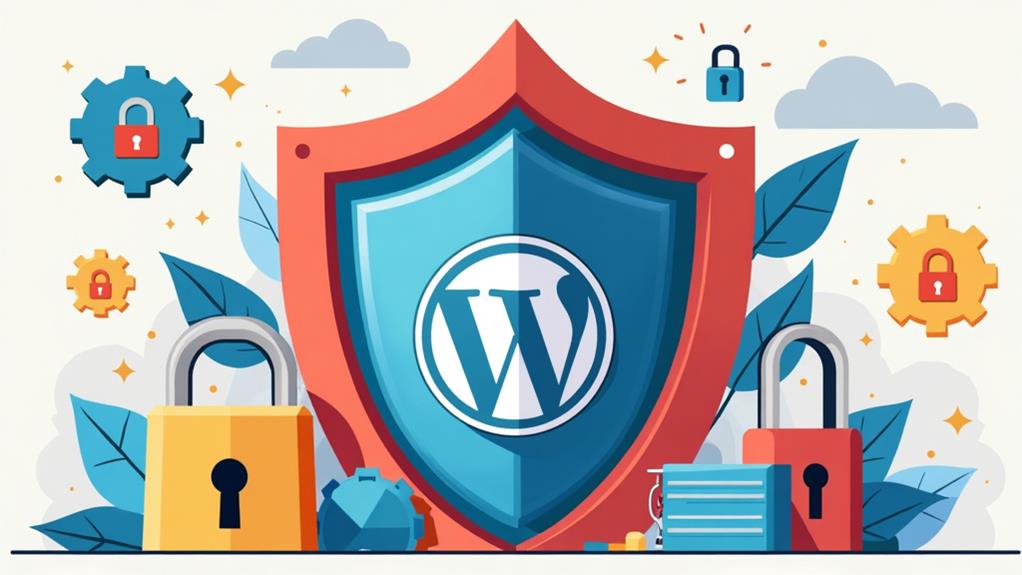
Managing a WordPress site involves prioritizing its security, even if you're not a tech expert. Simple steps like keeping WordPress updated, using strong passwords, and enabling multi-factor authentication can significantly enhance your site's security. Additionally, choosing a secure hosting provider, utilizing security plugins, and performing regular backups are essential measures. These actions collectively fortify your site against cyber threats. But how can you implement them effectively without technical expertise?
- Keep WordPress Updated: Regularly update WordPress core, themes, and plugins to patch vulnerabilities.
- Use Strong Passwords: Create complex passwords and change them periodically.
- Enable Multi-Factor Authentication: Add an extra layer of security by requiring a second form of verification.
- Choose a Secure Hosting Provider: Opt for hosting services that prioritize security features like firewalls and malware scanning.
- Utilize Security Plugins: Install reliable security plugins to monitor and protect your site.
- Perform Regular Backups: Schedule automatic backups to ensure you can restore your site if needed.
By following these best practices, you can effectively secure your WordPress site without needing technical expertise.
Understanding WordPress Vulnerabilities
Understanding WordPress vulnerabilities is crucial for securing your website. With WordPress powering about 43% of all websites, it is a prime target for cyberattacks. Each day, over 90,000 WordPress sites fall victim to attacks. In 2022, nearly half of these vulnerabilities were due to Cross-Site Scripting (XSS), which allows attackers to inject malicious scripts into your site. Additionally, there were 377 reported cases of Cross-Site Request Forgery (CSRF), a method that tricks users into executing unwanted actions.
SQL injection vulnerabilities also pose a considerable threat, with 200 cases reported in 2022. These attacks exploit weaknesses in database queries, enabling hackers to access sensitive information. The surge in WordPress vulnerabilities by 150% in 2021 underscores the need for timely security patches. Alarmingly, 29% of vulnerabilities remain unpatched, leaving many sites exposed to threats.
Implementing strong access control is another vital measure. Authorization bypass incidents indicate that inadequate security measures can allow unauthorized users access. By understanding these WordPress vulnerabilities, regularly applying security patches, and ensuring robust access controls, you can significantly improve your website's security.
Importance of WordPress Security
Overlooking WordPress security can lead to severe financial losses and damage your reputation. With the rise in cyberattacks, safeguarding your site from data breaches is more crucial than ever. Customers expect robust security measures, and failing to provide them can result in lost trust and business.
Financial and Reputational Risks
Cyberattacks on WordPress sites can inflict severe financial and reputational damage on a business. Compromised sites may suffer substantial revenue losses and incur significant recovery expenses. A single data breach can severely damage your company's reputation, eroding customer trust and loyalty, which can take years to rebuild.
If your site gets blacklisted by Google for malware or phishing, it can drastically reduce your site's traffic and credibility. With over 10,000 websites blacklisted daily, this is a common risk. Google flags 12-14 million users daily for potential malware threats, which means a compromised site could lose visibility in search results, further harming your business.
The increasing frequency of WordPress hacks, with over 90,000 sites compromised daily in 2022, highlights the urgent need for robust security measures. Neglecting site security risks both financial losses and reputational damage. Implementing strong security practices is essential not just for protecting your site but for safeguarding your business's future. Take action now to secure your WordPress site before it's too late.
Preventing Data Theft
To safeguard your WordPress site from financial and reputational risks, it's essential to prioritize the prevention of data theft. Hackers often target sensitive user information, such as passwords and credit card details, which can lead to significant damage. Implementing robust security practices is crucial for preventing unauthorized access.
Start by regularly updating your WordPress core, themes, and plugins. Outdated software is a major vulnerability that cybercriminals frequently exploit. Regular updates protect against known threats. Additionally, enabling two-factor authentication adds an extra layer of security, making it more challenging for unauthorized users to gain access.
Secure hosting is also vital. Choose a reputable hosting provider that offers strong security measures, such as firewalls and malware scanning. This not only protects your site but also assures your users of their safety.
Considering that Google warns 12-14 million users daily about potential malware threats and blacklists over 10,000 websites each day, the risks are real and pervasive. Implementing strong security measures is fundamental to prevent data theft and maintain your site's integrity. Taking these steps helps secure your WordPress site and protects both your business and users.
Secure Hosting Providers
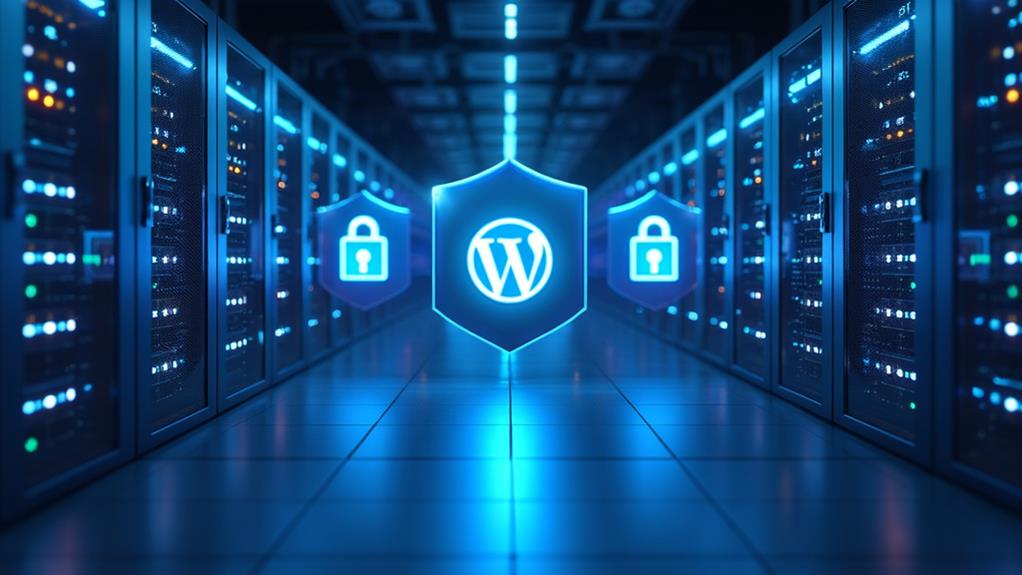
Safeguarding your WordPress site starts with choosing a secure hosting provider. These providers prioritize data security by implementing robust protocols, such as regular security audits and continuous monitoring for vulnerabilities. Opting for managed WordPress hosting offers significant benefits, including automatic updates, daily backups, and security features specifically tailored for WordPress sites. This reduces manual tasks and enhances your site's security.
A reputable hosting provider typically employs a Web Application Firewall (WAF) to filter out malicious traffic and protect against common attacks like DDoS and SQL injections. This additional security layer helps prevent unauthorized access and ensures smooth site operation.
Secure hosting environments often include built-in SSL certificates, which encrypt data exchanged between your website and its users. This not only safeguards sensitive information but also boosts your site's credibility and search engine ranking.
Choosing a hosting provider known for strong security measures can significantly reduce the risk of cyberattacks. These providers often use proactive strategies to address potential threats before they become problematic, offering you peace of mind.
Regular Updates
Choosing a secure hosting provider is crucial for your WordPress site's safety, but maintaining security requires regular updates. Keeping your WordPress core, plugins, and themes up-to-date is essential, as most vulnerabilities stem from outdated software. For instance, a 150% increase in WordPress vulnerabilities was reported in 2021, underscoring the importance of timely updates to mitigate risks.
While many managed WordPress hosting services automate core updates, this alone isn't sufficient. You should conduct daily checks for available updates to plugins and themes. Regular updates help prevent the exploitation of known vulnerabilities. Delaying updates leaves your site exposed, with many vulnerabilities remaining unpatched if you procrastinate.
Another critical aspect of maintaining security is removing unused themes and plugins. Every inactive plugin or theme increases your site's attack surface, making it more vulnerable to potential threats. By regularly updating your active components and removing unused ones, you significantly reduce the risk of unauthorized access or attacks.
Strong Password Practices

Strong password practices are crucial for securing your WordPress site against unauthorized access. Weak passwords account for 81% of hacking-related breaches, making it essential to create strong passwords that are difficult to guess. Aim for passwords that are at least 12 characters long and include a mix of uppercase and lowercase letters, numbers, and special characters. This complexity makes it harder for hackers to crack them.
Using unique passwords for each account associated with your WordPress site is vital. If one password gets compromised, having unique passwords ensures that other accounts remain secure. This prevents widespread access to your site, adding an extra layer of protection.
Password managers simplify this process by generating and storing complex passwords for you, eliminating the need to remember each one. This means you won't resort to using easily guessable passwords, greatly enhancing your site's security.
Regularly update your passwords. Changing them every three to six months reduces the risk of unauthorized access. By following these strong password practices, you're taking a significant step toward safeguarding your WordPress site from potential threats.
Limiting Login Attempts
Implementing login attempt limits is a crucial WordPress security measure that helps defend against brute force attacks. By restricting the number of failed login attempts before an IP address is temporarily blocked, you make it significantly harder for attackers to guess your password and gain unauthorized access.
Many security plugins, such as Limit Login Attempts Reloaded, offer customizable settings. You can specify the maximum number of allowed attempts and define the duration of the lockout period. This flexibility allows you to tailor the settings to best suit your site's specific requirements.
Research shows that brute force attacks constitute a significant portion of cyberattacks on WordPress sites. Therefore, it is essential to implement login attempt limits to protect sensitive user data and mitigate the risk of unauthorized access. Regularly monitoring login activities, in conjunction with limiting attempts, can help identify suspicious behavior, further strengthening your site's overall security.
Multi-Factor Authentication

To enhance your WordPress site's security, consider implementing Multi-Factor Authentication (MFA). By requiring additional verification methods, such as a one-time code alongside a password, MFA significantly reduces the risk of unauthorized access. Plugins like WP 2FA and Jetpack simplify the setup process, offering robust protection against over 99% of automated attacks.
Benefits of MFA
In today's digital landscape, Multi-Factor Authentication (MFA) is an essential tool for enhancing the security of your WordPress site. By requiring users to provide two or more forms of verification, MFA significantly reduces the risk of unauthorized access, even if passwords are compromised. This extra layer of security is crucial for safeguarding your site from the increasing number of hacking attempts.
Research indicates that enabling MFA can prevent 99.9% of automated cyberattacks. This makes your site substantially less vulnerable to such threats, ensuring a more secure experience for you and your users. Additionally, many popular WordPress security plugins, such as WP 2FA and Jetpack, offer user-friendly MFA options. This allows even non-technical users to enhance their site security effortlessly.
Key benefits of using MFA include:
- Reduced Risk of Unauthorized Access: Additional verification steps protect your site even if passwords are compromised.
- Variety of Verification Methods: Options include SMS codes, authenticator apps, and biometric verification.
- Ease of Implementation: WordPress security plugins make adding this extra layer of protection straightforward.
Implementing MFA is a best practice endorsed by security experts, especially for sites that handle sensitive information.
Setup Process Steps
Understanding the benefits of Multi-Factor Authentication (MFA) is fundamental, but knowing how to set it up on your WordPress site is equally crucial. MFA adds an extra layer of security by requiring users to provide two or more verification methods, such as a password and a one-time code sent via SMS or through an authentication app. Implementing MFA can reduce the risk of unauthorized access by up to 99.9%, significantly enhancing the security of your WordPress accounts.
To get started, install a security plugin that supports MFA. A popular choice is WP 2FA, which offers a straightforward setup process and supports various authentication methods. After installing the plugin, navigate to the plugin settings and follow the prompts to enable MFA. Typically, you will be asked to select your preferred verification methods and configure them accordingly.
Encourage users to set up MFA immediately after creating their accounts to prevent unauthorized access before strong security measures are in place. Regularly educate your users about the importance of MFA and how to use it effectively. This practice will help maintain high security standards and protect your site against potential hacks.
Recommended MFA Plugins
To enhance the security of your WordPress site, consider using Multi-Factor Authentication (MFA) plugins. MFA requires users to provide two or more verification factors for login, significantly reducing the risk of unauthorized access. Here are three recommended plugins to evaluate:
- WP 2FA: This plugin offers an easy setup and supports both email and TOTP (Time-based One-Time Password) methods. It is user-friendly and provides robust security with minimal hassle.
- Google Authenticator: Widely used and highly effective, this plugin generates time-sensitive codes for secure logins. It is compatible with many mobile devices, making it a versatile choice for enhancing your site's security.
- Jetpack: Known for its seamless integration with WordPress sites, Jetpack includes built-in MFA features. This means you can add an additional layer of security without needing separate installations.
Implementing these MFA plugins can substantially decrease the likelihood of successful hacking attempts by neutralizing the effectiveness of stolen passwords. Whether you choose WP 2FA, Google Authenticator, or Jetpack, incorporating MFA into your WordPress site is a crucial step in safeguarding your data.
Implementing CAPTCHA
Have you ever wondered how to drastically cut down on spam and bot interactions on your WordPress site? By implementing CAPTCHA, you can significantly improve site security and reduce unwanted submissions. CAPTCHA, which stands for "Completely Automated Public Turing test to tell Computers and Humans Apart," serves as a gatekeeper, blocking automated bots while allowing genuine users to access your site.
One of the most popular options is Google reCAPTCHA, which integrates seamlessly into WordPress forms. This tool is highly effective at preventing malicious submissions, ensuring your site remains secure. Websites using CAPTCHA often see up to a 98% decrease in spam comments, enhancing both security and user engagement.
CAPTCHA challenges come in various forms, such as image recognition and simple arithmetic problems, making them adaptable to diverse user needs. To maintain its effectiveness, it's crucial to regularly update your CAPTCHA settings and monitor analytics. This proactive approach ensures you stay ahead of evolving spam tactics and threats, keeping your WordPress site safe and enjoyable for visitors.
Implementing CAPTCHA is a straightforward yet powerful way to strengthen your site's defenses.
Regular Backups
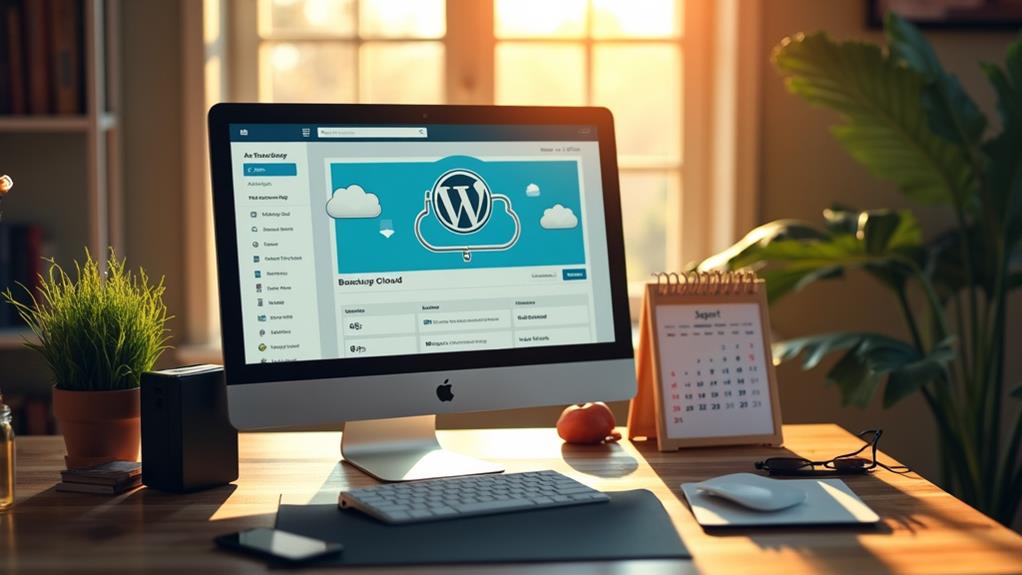
Regular backups of your WordPress site are crucial for protecting against data loss due to hacks or errors. By maintaining consistent backups, you can swiftly restore your site to its previous state, minimizing downtime. For websites with frequent updates, daily backups are strongly advised.
To enhance your backup strategy, consider the following steps:
- Utilize offsite backup solutions: Services like Jetpack VaultPress store backups externally, safeguarding against server failures and attacks.
- Automate your backups: Even if your managed WordPress hosting provider offers automated backups, implementing an additional independent backup system ensures redundancy.
- Test restore procedures regularly: Routinely verify that you can successfully restore your backups to ensure efficient recovery with minimal downtime.
Security Plugins and Scans
To safeguard your WordPress site, essential security plugins like Wordfence and Sucuri are invaluable. These tools provide features such as regular malware scanning and real-time alerts, enabling you to identify and address vulnerabilities promptly. Properly configuring these plugins ensures you maximize their protective benefits, making your site more resilient to threats.
Essential Security Plugins
In today's digital landscape, security plugins like Wordfence and Sucuri are indispensable for protecting your WordPress site. These tools provide vital features such as firewall protection, malware scanning, and login attempt monitoring, all crucial for defending against various threats.
Security plugins simplify site security management by automating numerous tasks. For instance, they conduct regular security scans to detect vulnerabilities and malicious code, significantly mitigating the risk of hacks. Additionally, you can configure alerts for suspicious activity, ensuring you're promptly informed of potential threats.
Key benefits of using security plugins include:
- Automated Security Scans: Regularly checking for vulnerabilities and malicious code.
- Login Attempt Monitoring: Tracking and limiting login attempts to prevent unauthorized access.
- Alerts and Notifications: Immediate updates about suspicious activity and potential threats.
Furthermore, some security plugins offer backup solutions, enabling you to restore recent versions of your site in the event of a breach or data loss. According to Wordfence, websites utilizing security plugins face a considerably lower risk of being compromised. Implementing a security plugin is an effective and straightforward measure for enhancing your WordPress site's security.
Regular Malware Scanning
Beyond the advantages of using essential security plugins, regular malware scanning is crucial for maintaining your WordPress site's security. Plugins like Wordfence and Sucuri offer comprehensive scanning features that detect and remove malicious code before it can cause significant harm. With over 90,000 WordPress sites hacked daily, proactive malware scanning is fundamental for robust security.
Security plugins typically perform automatic scans at scheduled intervals, ensuring continuous monitoring of your website for vulnerabilities and potential threats. Regular malware scanning helps you stay ahead of cybercriminals by identifying issues early. Many security plugins also provide real-time alerts for detected malware, enabling you to respond quickly and minimize potential impacts on your website.
Incorporating regular scans into your security plan can significantly reduce the risk of malware infections. This not only protects user data but also safeguards your site's reputation. By leveraging the capabilities of security plugins, you can maintain a secure online presence and provide a safe environment for your visitors. Don't wait for a breach; make regular malware scanning a priority to fortify your WordPress site against threats.
Plugin Configuration Tips
Optimizing your WordPress security starts with properly configuring your security plugins. Installing a reputable security plugin, such as Wordfence or Sucuri, is essential for features like malware scanning, firewall protection, and login attempt tracking. To maximize the effectiveness of these tools, follow these configuration tips:
- Regular Updates: Ensure your security plugin is always up-to-date. Regular updates enable the plugin to utilize the latest threat detection techniques and patches for newly identified vulnerabilities.
- Automated Scans: Configure automated scans for malware and vulnerabilities. This feature ensures that your website is continuously monitored for potential threats without requiring manual checks.
- Two-Factor Authentication (2FA): Implement 2FA within your security plugin. It adds a critical layer of protection against unauthorized access to your WordPress site.
Additionally, many security plugins offer options to set up email alerts for unusual activities. By configuring these alerts, you can respond promptly to potential security breaches. Remember, a well-configured security plugin not only protects your site but also provides peace of mind. Don't overlook the importance of login attempt tracking and other security measures provided by these plugins to keep your WordPress site secure.