Customizable WordPress Themes for Unique Brand Identity
When crafting your brand's online identity, customizable WordPress themes are invaluable. They enable you to tailor every aspect of your website, from colors to fonts, ensuring alignment with your brand's values and aesthetics. However, selecting the right theme is just the beginning. How do you effectively personalize design elements and integrate your brand assets? Understanding these nuances is crucial for creating a cohesive, memorable online presence. Let's explore how you can leverage these themes to enhance your brand identity.
Selecting the Right Theme
Selecting the Right Theme
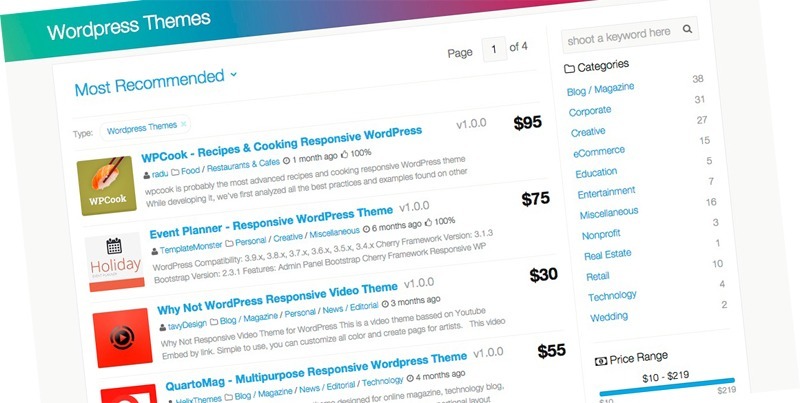
When choosing the right WordPress theme, consider factors such as responsiveness, design flexibility, and alignment with your brand's aesthetics. Start by researching various WordPress themes that reflect your brand values and visual identity. A theme that accurately represents your brand can establish a solid foundation for your online presence. Reputable theme marketplaces and user reviews are invaluable resources, offering insights into a theme's performance and customization options.
It's crucial to select a theme with a visually appealing and responsive design. Your website should look great on all devices, ensuring a seamless and engaging user experience. A responsive design not only enhances your brand's credibility but also boosts online visibility. Themes with a user-friendly interface, such as drag-and-drop features, simplify the customization process, allowing you to tailor your site without extensive technical expertise.
Personalizing Design Elements
Transform your WordPress theme by customizing colors, fonts, headers, and layouts to truly reflect your unique brand identity. You can make your website stand out by exploring your theme settings and making tailored design choices. Personalizing these elements ensures your site resonates with your brand's personality.
Start with colors and fonts. Choose a color palette that aligns with your brand and select typography that enhances readability while staying true to your brand identity. Headers and layouts are also essential. Adjusting these allows you to create a cohesive look that guides your visitors' eyes and highlights significant content.
Logo integration is another crucial aspect. Strategically place your logo in headers or footers to reinforce your brand image and ensure consistent visibility. This aids brand recognition and gives your site a professional appearance.
Additionally, enrich your brand identity by incorporating original content that reflects your agency's values and expertise. Use storytelling to humanize your brand and build connections with your audience. By engaging visitors with compelling stories, you create a stronger brand-audience relationship, making your site not just a platform, but an experience.
Integrating Brand Assets
Integrating Brand Assets Seamlessly into Your WordPress Theme
Creating a unified and professional online presence begins with seamlessly integrating your brand assets into your WordPress theme. Start by incorporating your logo, colors, and fonts into the theme design. These elements should be strategically placed in key areas such as the header and footer to ensure maximum visibility and brand recognition.
Utilize the customization options available in WordPress to reflect your brand's character and personality through visual elements. This not only enriches your brand's unique identity but also helps establish a cohesive and professional look that resonates with your audience. Remember, every interaction a user has with your website contributes to their overall perception of your brand.
To create a truly unique online experience, ensure consistent use of your brand assets throughout your website. This involves maintaining uniformity in colors, fonts, and other visual elements across all pages. Consistency helps reinforce brand recognition and builds trust with your users. By effectively integrating your brand assets into your WordPress theme, you're not just creating a website; you're crafting a distinct and memorable brand experience for your audience.
Enhancing User Experience
To optimize user experience with customizable WordPress themes, focus on creating intuitive navigation layouts that seamlessly guide visitors. Ensure your site is mobile-responsive to maintain a consistent appearance across all devices. Additionally, prioritize fast loading times to enhance user engagement and reduce bounce rates.
Intuitive Navigation Design
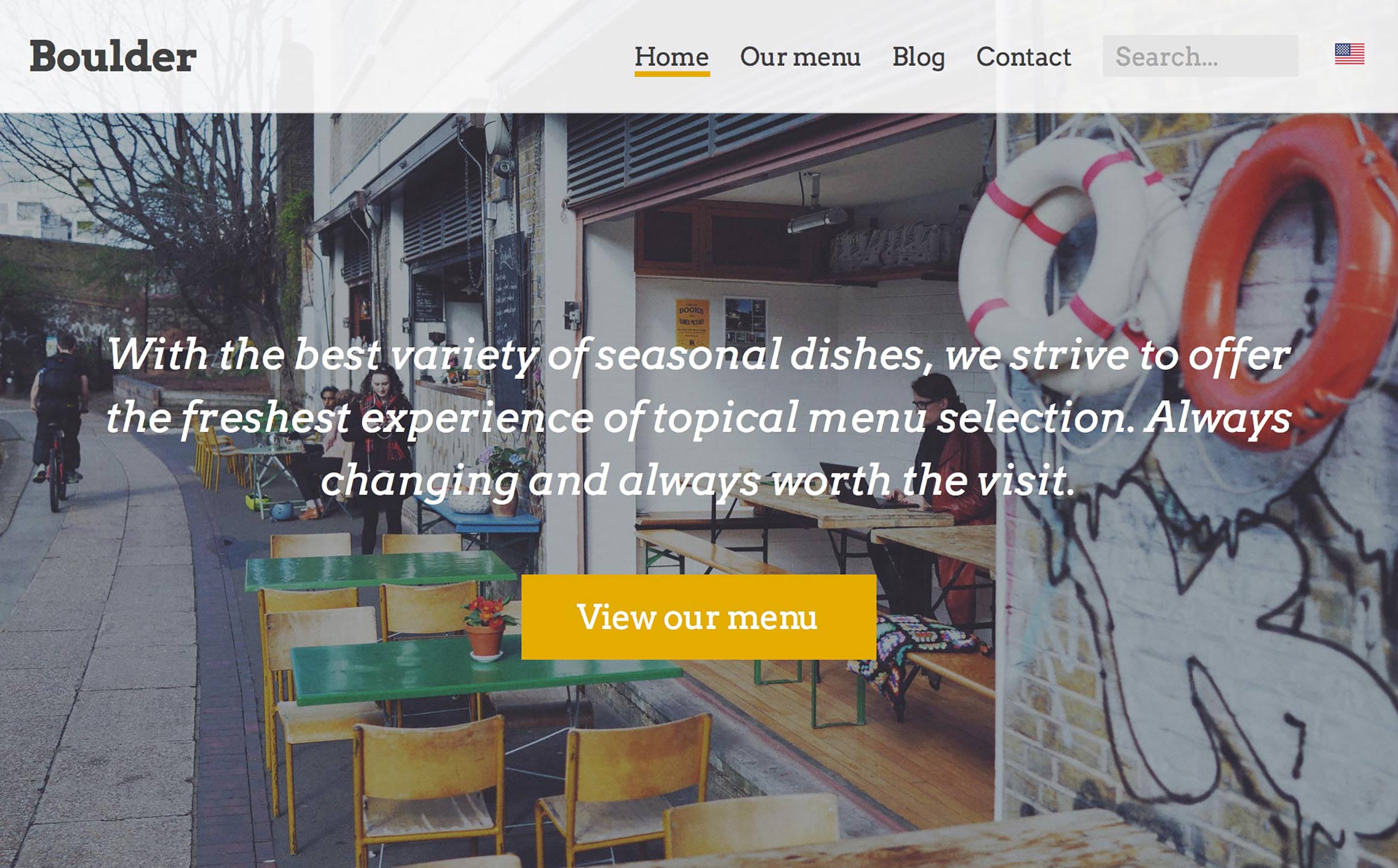
Developing an intuitive navigation design is essential for ensuring users can effortlessly browse your website. By prioritizing a user-friendly navigation design, you create clear menu structures and navigation paths that significantly enhance user experience. Strategic placement of navigation elements is crucial for improving website usability, enabling visitors to locate what they need without frustration.
When users encounter a well-organized, intuitive navigation design, they can seamlessly explore your website content. This reduces bounce rates and increases engagement, as users are more likely to stay and interact with your site. Effective placement of navigation elements, such as menus and links, ensures users can quickly access important information.
Clear menu structures are a core component of this strategy. They offer a roadmap for users, guiding them through your site logically and efficiently. By enhancing website usability, you not only improve the user experience but also foster repeat visits and word-of-mouth recommendations.
Integrating these principles into your customizable WordPress theme will ensure your website stands out, providing a pleasant and effective user experience that aligns with your unique brand identity.
Mobile-Friendly Interfaces
Ensuring your WordPress theme is mobile-friendly is crucial for delivering an excellent user experience on smartphones and tablets. Mobile-friendly interfaces make your site easily accessible, regardless of the device being used. With responsive design, your theme will seamlessly adapt to different screen sizes, enhancing user engagement and reducing bounce rates. This ensures that users can navigate your site effortlessly, leading to higher satisfaction.
A mobile-optimized site is increasingly important as more people rely on their phones for browsing and shopping. By catering to mobile shopping habits, you'll enhance your audience's accessibility and encourage repeat visits. Prioritizing mobile optimization also helps maintain user engagement, reducing the likelihood of users leaving your site.
Benefits of Mobile-Friendly Interfaces:
| Benefit | Impact |
|---|---|
| Responsive Design | Seamless adaptation to screens of all sizes |
| Mobile Optimization | Increased engagement, reduced bounce rates |
| Mobile Shopping | Higher user satisfaction and retention |
Incorporating these elements ensures your WordPress theme not only looks good but also functions well on mobile devices. This creates a positive user experience, leading to more satisfied users and improved site performance, especially on mobile platforms.
Fast Loading Times
Fast loading times are crucial for maintaining user engagement and preventing site abandonment due to frustration. Research shows that 47% of consumers expect a website to load within 2 seconds or less, highlighting the direct impact of page speed on user experience. A delay of just 1 second in page load time can reduce conversions by 7%, underscoring the importance of speed.
Google also considers page speed in its ranking algorithm, making it essential for good SEO practices. This is especially important for mobile users, 53% of whom will leave a page if it takes longer than 3 seconds to load. To optimize performance, focus on strategies such as image optimization and caching. Reducing image sizes and enabling browser caching can significantly improve load times and overall site speed.
Ensuring Mobile Compatibility
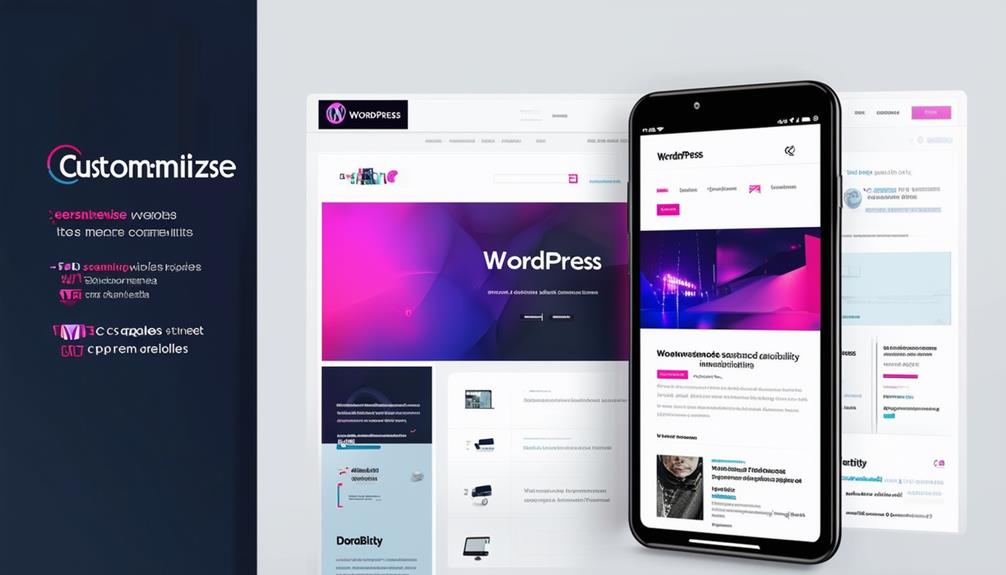
Ensuring mobile compatibility for your WordPress theme is vital for delivering a seamless user experience across all devices. With over 50% of web traffic originating from mobile devices, a responsive design that adapts content to various screen sizes and resolutions is essential. This not only enhances user satisfaction but also significantly reduces bounce rates.
Choosing mobile-friendly themes is a smart decision. These themes are structured to retain your site's functionality and aesthetics on smartphones, tablets, and other mobile devices. This adaptability boosts brand visibility and user engagement, ultimately leading to higher conversion rates. Users are more inclined to interact with a site that loads efficiently and looks appealing on their devices, making mobile-friendly design critical for visitor retention.
Furthermore, a responsive design ensures accessibility and navigability across all devices. This strategy not only improves the user experience but also helps your brand stand out in a competitive online market. By prioritizing mobile compatibility, you set the foundation for a successful and user-centric website.
Continuous Improvement
To ensure your WordPress theme performs optimally, commit to regular updates. Analyze performance metrics and adapt to current trends to keep your site user-friendly and engaging. Continuous improvement not only helps you stay ahead but also enhances the user experience, ensuring your site remains relevant and effective.
Regular Updates Needed
Regular updates are essential for maintaining the security, functionality, and performance of your customizable WordPress theme. Keeping your theme up-to-date enhances user experience, ensures robust site performance, and reinforces your brand image. These updates often include critical security patches that protect your site from potential cyber threats, thereby safeguarding your users' data and your business's reputation.
Outdated themes can lead to compatibility issues with the latest versions of WordPress and plugins, potentially causing slow loading times or even site crashes. Such issues not only frustrate your visitors but also harm your brand image. Consistent updates help you avoid these problems, ensuring a seamless online experience for your audience.
Moreover, regular updates demonstrate your commitment to continuous improvement and reliability. They bring new features and bug fixes that keep your site innovative and user-friendly. In a rapidly evolving digital landscape, staying updated is crucial for remaining relevant. By diligently updating your WordPress theme, you ensure that your site remains secure, fast, and fully functional, providing your visitors with the best possible experience.
Analyzing Performance Metrics
Analyzing performance metrics is essential for understanding user interactions with your website and identifying opportunities for continuous improvement. By tracking user behavior, engagement, and conversions, you gain valuable insights into what is effective and what requires enhancement. Key performance metrics such as bounce rate, time on page, conversion rate, and click-through rate offer a comprehensive view of user interactions.
Utilizing tools like A/B testing, heatmaps, and user recordings allows you to gather detailed performance data. A/B testing enables you to compare different versions of a page to determine which one achieves better engagement and conversions. Heatmaps visually represent user clicks and scrolls, highlighting areas of high interest and those that are neglected. User recordings replay individual sessions, showing precisely how visitors navigate your site.
Armed with these insights, you can make iterative improvements to your WordPress theme, refining elements to enhance user experience and optimize site performance. By continuously analyzing and acting on performance metrics, you ensure that your website remains effective and aligned with your unique brand identity. This ongoing process of data-driven refinement keeps your site dynamic and user-focused.
Adapting to Trends
Keeping your WordPress theme up-to-date with current trends and user preferences is essential for maintaining a fresh and engaging website. By continuously analyzing user behavior and metrics, you can pinpoint areas that need improvement. This proactive strategy ensures that your website's user experience remains excellent and aligned with your brand identity.
Incorporating iterative updates into your theme customization process is crucial. Regularly refreshing visual elements and integrating new media formats can keep your site looking modern and attractive. Trends in design and technology change rapidly, and staying adaptable helps your site resonate with your audience.
User feedback is another invaluable resource. Listening to your visitors allows you to make adjustments that enhance the overall user experience. Whether it's tweaking the layout, improving media integration, or refining navigation, these changes make your website more engaging and user-friendly.
Customization should be an ongoing task. Regularly updating your WordPress theme ensures that it evolves with changing trends and user needs. This continuous improvement process not only boosts your site's SEO performance but also strengthens your brand identity. Staying responsive to user feedback and behavior ensures your website remains relevant and appealing.
Conclusion
By choosing customizable WordPress themes, you're taking a crucial step toward establishing a unique brand identity online. Tailor design elements, incorporate your brand assets, and enhance user experience to make a lasting impact. Ensure your site is mobile-compatible and continually updated to keep pace with evolving trends. These strategies will help your website stand out and effectively connect with your target audience, creating a memorable and cohesive digital presence.