Geofencing for Local Marketing: Targeting Nearby Customers
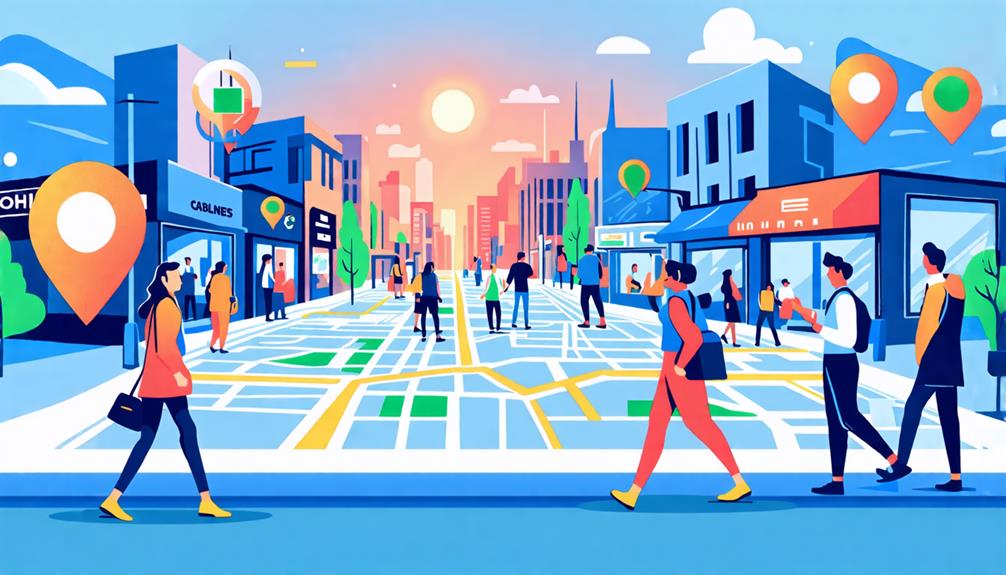
Imagine walking past your favorite coffee shop and receiving a notification on your phone for a special discount. This is geofencing in action—using virtual boundaries to target nearby customers with personalized promotions. It's an effective strategy to boost foot traffic and engage your local audience. But how does this technology benefit your business, and what are the best practices for implementing it? Let's explore the intricacies of geofencing, its advantages, and how you can leverage it to enhance your local marketing efforts.
Understanding Geofencing Marketing
Geofencing marketing employs technologies such as GPS, Wi-Fi, and Bluetooth to establish virtual boundaries, enabling targeted advertisements based on real-time geographic locations. This location-based advertising strategy significantly enhances customer engagement and drives foot traffic to physical stores. When users enter predefined geofenced areas, they receive personalized promotions and offers directly on their devices, effectively targeting local customers.
This method goes beyond random ads by delivering relevant content at the optimal time and place. The geofencing market is projected to reach $2.4 billion by 2025, highlighting its increasing significance in local marketing strategies across various industries. Utilizing geofencing marketing can also optimize local SEO efforts, boosting visibility in local search results and informing nearby customers about urgent promotions.
Additionally, monitoring consumer behavior within geofenced areas offers valuable insights, allowing for the refinement of marketing strategies and an improved return on investment (ROI) compared to traditional advertising methods. Understanding geofencing marketing enables the creation of impactful, location-based advertising campaigns that precisely target local audiences.
Benefits of Geofencing
Geofencing can boost foot traffic to your store by up to 27% through localized promotions sent to potential customers in your vicinity. Personalized offers enhance customer engagement, making your ads more pertinent and increasing click-through rates. By targeting high-intent consumers nearby, you can optimize your ad spend and reduce wasted resources, ensuring a more efficient marketing strategy.
Increased Foot Traffic
Imagine a scenario where your business attracts nearby customers precisely when they're most likely to visit—geofencing makes this possible. By leveraging geofencing, you can significantly increase foot traffic to your store. When local customers are in close proximity, you can send them real-time promotions through push notifications. This timely engagement often translates into greater in-store visits, as these customers are already nearby and more inclined to drop by.
Geofencing can raise in-store visits by up to 27%, thanks to its precise targeting capabilities. By optimizing for local searches, you improve your visibility among nearby consumers, making it more likely they'll choose your store over competitors. Additionally, geofencing allows you to track consumer behavior, providing valuable insights into foot traffic patterns and customer preferences. This data helps you tailor your marketing strategies effectively, ensuring you engage high-intent consumers.
This method reduces wasted ad spend by focusing on those most likely to visit your store. The result? Increased foot traffic and higher engagement, ultimately leading to improved profitability. Adopt geofencing to transform how you attract and retain local customers, driving more people through your doors.
Improved Ad Relevance
Attracting more foot traffic to your store is just one of the many advantages that geofencing offers. Another significant benefit is improved ad relevance. With geofencing advertising, you can deliver targeted promotions to users the moment they enter a specified geographic area. This targeted approach ensures your ads reach a high-intent audience, increasing the likelihood of engagement and conversion.
Here are three ways geofencing advertising can enhance ad relevance:
- Personalized Offers: Utilizing real-time location data enables you to create personalized promotions tailored to the specific needs and interests of your customers, which can result in up to a 27% increase in in-store visits.
- High-Intent Consumers: Geofencing allows you to reach consumers who are physically near your business, capturing their attention at a crucial moment when they are more likely to make an immediate purchase.
- Behavioral Targeting: Leveraging precise demographic and behavioral data, you can craft messages that resonate specifically with your target audience, leading to higher engagement and more effective advertising.
Analytics from geofencing campaigns also provide valuable insights into customer behavior and preferences. This data allows for continuous optimization of your ad content and strategies, ensuring your ads remain relevant and impactful.
Enhanced Local Engagement
Geofencing offers numerous opportunities for enhanced local engagement, making your marketing efforts more effective and timely. By leveraging geofencing, you can increase foot traffic to your physical store locations by up to 27%. This is achieved through targeted ads and promotions sent directly to your local audience. When customers receive notifications about personalized offers as they pass by your store, they are more likely to engage and make a purchase.
Geofencing enables the delivery of real-time promotions via push notifications, engaging potential buyers at the optimal moment. This immediate interaction not only boosts customer engagement but also significantly elevates conversion rates. For instance, a customer walking near your store receiving a discount offer on their phone is much more likely to step in and make a purchase.
Furthermore, geofencing helps refine your advertising budget. By targeting high-intent consumers who are already nearby, you minimize wasted ad spend and optimize your marketing efforts. Insights gained from geofencing campaigns, such as foot traffic patterns, provide valuable data on consumer behavior, allowing you to tailor future strategies for even better results. Adopting geofencing enables you to connect with your local audience in a meaningful and impactful way.
Implementation Strategies
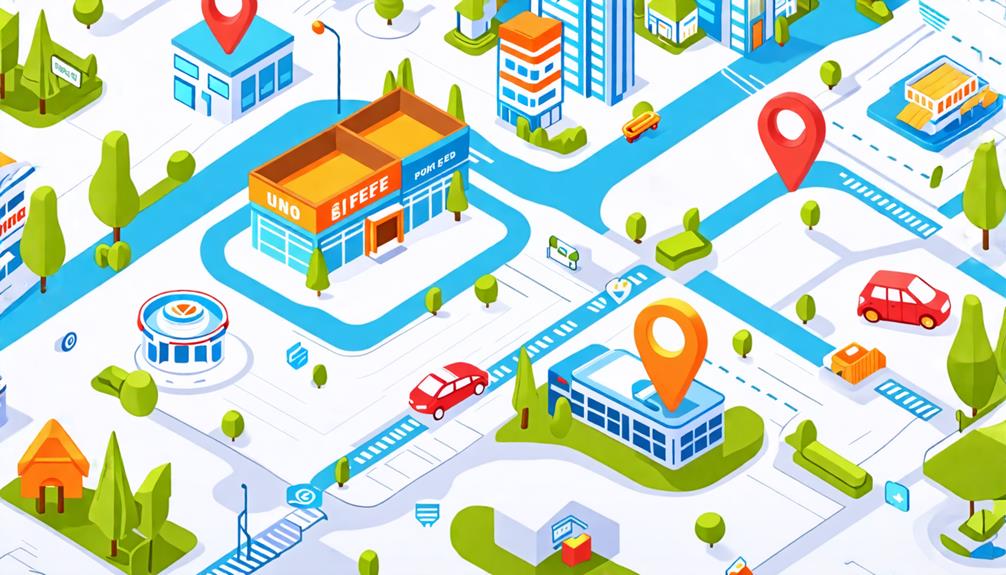
To implement geofencing effectively, start by defining your target audience based on customer demographics and behavior. Once you've identified the right group, optimize message timing by analyzing when they are most likely to engage, such as during peak shopping hours. This ensures your geofencing efforts are relevant and timely.
Define Target Audience
Defining your target audience begins with a comprehensive analysis of customer demographics, preferences, and behaviors. For effective local marketing through geofencing, crafting tailored messages that resonate with nearby customers is essential.
- Analyze Customer Data: Utilize tools such as customer surveys and social media insights to gather detailed information about local preferences and behaviors. This ensures your geofencing campaigns are both relevant and engaging.
- Geographic Segmentation: Implement a geographic segmentation strategy by focusing on specific locations where your ideal customers frequently visit or reside. This enhances the effectiveness of your geofencing efforts by targeting high-potential areas.
- Monitor and Adjust: Continuously track real-time analytics to refine your audience parameters. Making adjustments based on this data enhances customer engagement and conversion rates, keeping your geofencing strategy sharp and effective.
Regularly updating your audience definitions is crucial as market trends and consumer behaviors evolve. Staying current ensures your geofencing campaigns remain impactful and relevant in the local market. Remember, the key to effective geofencing is a well-defined and adaptable target audience.
Optimize Message Timing
Timing is crucial for effective geofencing in local marketing. To maximize the impact of your message delivery, you must identify the optimal times to reach your customers. Start by analyzing mobility data and peak traffic times in your target areas. Research indicates that sending messages during lunch hours or weekends significantly boosts engagement rates, as people are more likely to be active.
Utilizing real-time location tracking is essential. Delivering promotions as consumers enter a geofenced area captures their immediate interest, increasing conversion opportunities. Implementing A/B testing for different message delivery times can help determine the best timing, often resulting in a 20-30% rise in customer engagement when promotions are sent at optimal moments.
Don't underestimate the effectiveness of time-sensitive offers. Creating urgency with "limited-time discounts for the next hour" can prompt immediate action from nearby consumers. Implementing these strategies ensures that your location-based marketing efforts are not only timely but also highly effective in driving engagement and conversions.
Overcoming Challenges
Successfully navigating the challenges of geofencing in local marketing demands a strategic approach that thoroughly addresses privacy concerns, ad fatigue, and technology reliability. First and foremost, ensuring compliance with data protection regulations such as GDPR and CCPA is essential. Obtaining transparent user consent for location tracking can significantly alleviate privacy concerns.
Next, managing ad fatigue is crucial. Bombarding users with excessive notifications can lead to negative perceptions and decreased engagement. Regulate the frequency of your campaigns to keep your audience engaged without overwhelming them.
Moreover, the success of geofencing relies heavily on robust technology. GPS inaccuracies can disrupt ad delivery, making investments in reliable technology indispensable. Continuous monitoring and optimization of your strategies ensure adaptability to changes in consumer behavior and technological advancements, thus maintaining effective campaigns.
Here's a quick checklist to help you address these challenges effectively:
- Privacy Compliance: Obtain transparent user consent and stay updated with relevant regulations.
- Frequency Management: Limit notifications to prevent ad fatigue and sustain audience engagement.
- Tech Investment: Ensure your technology infrastructure is robust to mitigate GPS inaccuracies and deliver timely ads.
Future Trends
The future of geofencing in local marketing appears promising, driven by transformative trends poised to revolutionize the industry. With the geofencing market projected to reach $2.4 billion by 2025, businesses are increasingly adopting location-based marketing strategies.
A notable trend is the integration of artificial intelligence (AI) in geofencing. AI will facilitate predictive analytics, enabling more precise customer targeting and enhancing engagement with your brand. As mobile wallet usage grows, delivering coupons and offers through geofencing will become seamless, enhancing personalization and making marketing efforts more effective, thereby fostering better customer relationships. Imagine customers receiving timely offers just as they approach your store, boosting foot traffic and sales.
Geofencing's applications extend beyond retail, reaching into event marketing, real estate, and restaurant promotions. These industries can leverage geofencing to optimize customer engagement and increase attendance or visits.
Given rising consumer privacy concerns, future geofencing strategies must prioritize transparency and user consent. Ensuring that practices align with evolving data protection regulations will be crucial for maintaining trust and compliance.
Measuring Success
Measuring the success of geofencing campaigns is crucial for gauging their effectiveness and refining future strategies. To obtain a comprehensive understanding, focus on several key performance indicators (KPIs) that accurately reflect your campaign's impact.
- Customer Engagement: Track impressions, click-through rates (CTR), and conversion rates. These metrics reveal how well your ads are capturing attention and driving actions. Higher engagement rates indicate that your messages are resonating with your audience.
- Foot Traffic Analysis: Compare foot traffic data before and after your campaign. An increase in in-store visits can suggest that your geofencing efforts are successfully driving customers to your physical locations. This tangible rise in foot traffic is a direct indicator of campaign effectiveness.
- Return on Investment (ROI): Calculate ROI by comparing campaign costs against generated revenue and customer acquisition metrics. This helps you determine if the financial outlay was justified by the results. Aim to optimize ROI to ensure your marketing dollars are well spent.
Additionally, employing A/B testing to evaluate different ad variations and utilizing analytics tools to monitor user behavior, such as dwell times and entry/exit patterns, will help you continuously refine your geofencing strategy for improved results.
Related posts