How Cloud Gaming Is Changing the Way We Play
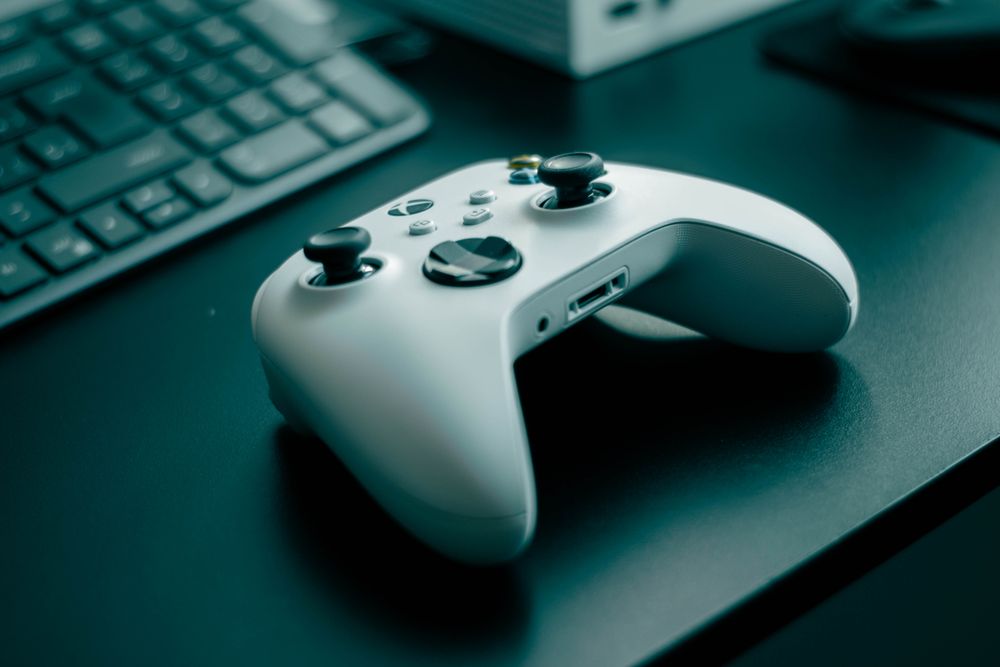
For years, playing a major video game usually meant owning the right hardware. If a new title required a powerful gaming PC or the latest console, players had to invest in expensive equipment before they could experience it. Cloud gaming is changing that relationship by moving much of the processing work away from the player's device and into remote data centres.
Instead of installing a demanding game locally, a player can stream the game over the internet while their device handles the controls and displays the action. It is a simple idea, but it could have a significant effect on who gets to play, where they play, and what equipment they need.
Less Dependence on Expensive Hardware
One of the biggest attractions of cloud gaming is accessibility. A player may not need a high-end graphics card or a powerful gaming computer to enjoy certain demanding games. If their device and internet connection meet the service requirements, much of the heavy processing can happen remotely.
That can make gaming more approachable for people who would otherwise struggle to justify the cost of upgrading their hardware.
Imagine having an older laptop that can handle everyday tasks but cannot run modern games. With a suitable cloud gaming service, that same laptop could potentially become a gateway to a much larger gaming library.
Gaming Becomes More Flexible
Cloud gaming can also change where people play. Instead of being tied to a particular console or computer, players may be able to access their games across supported devices and enjoy casino bonus while at it.
This flexibility fits naturally into modern lifestyles. Someone might start playing at home on a larger screen and continue on another supported device later. The exact experience depends on the service, device, and internet connection, but the underlying idea is appealing: your games become less tied to one machine.
Internet Quality Matters
There is, however, an important catch. Cloud gaming depends heavily on a stable internet connection.
When a game is running locally, the device does most of the processing. With cloud gaming, video and audio have to travel from a remote server to the player's screen, while their inputs travel in the opposite direction.
A weak or unstable connection can result in lag, reduced image quality, or interruptions. This is particularly noticeable in fast-paced games where even a small delay can affect gameplay.
As broadband infrastructure and newer wireless technologies continue to develop, these limitations may become less noticeable in more locations. Still, internet availability remains one of the biggest factors determining whether cloud gaming works well.
A Different Approach to Game Ownership
Cloud gaming is also influencing how players think about accessing games. Subscription-based services can provide access to libraries of titles without requiring players to purchase every game individually.
This can be attractive to people who enjoy trying different games rather than spending a large amount on individual releases. However, players should pay attention to subscription terms, available game libraries, regional restrictions, and what happens when a title leaves a service.
What Could Come Next?
Cloud gaming is unlikely to make traditional consoles and gaming PCs disappear overnight. Dedicated hardware still offers advantages, particularly for players who want maximum performance, customisation, and reliable offline access.
Instead, cloud gaming may become another important way to play.
Its biggest contribution could be removing some of the barriers between players and games. As internet connections improve and cloud infrastructure becomes more capable, gaming may increasingly become something you access rather than something you need powerful hardware to own.
The result could be a gaming world where the question is less about what device you have and more about what you want to play.