
Designing Websites with Emotional Resonance
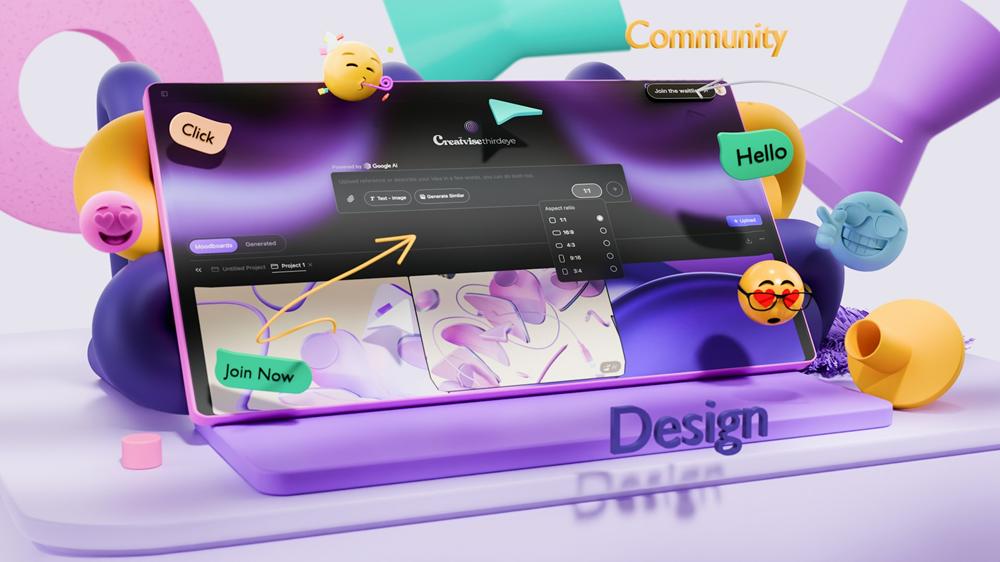
A website can look beautiful, load quickly, and have all the right features, yet still leave visitors feeling nothing. The websites people remember are often the ones that make them feel something. Whether it is excitement, trust, curiosity, comfort, or inspiration, emotional resonance can turn an ordinary website into an experience that visitors genuinely connect with.
In a crowded digital space, this emotional connection can make a brand feel more human.
Start With the Feeling You Want to Create
Before choosing colours, fonts, images, or animations, designers should ask a simple question: How should visitors feel when they arrive here?
A luxury brand might want visitors to feel confident and sophisticated. A charity website with casino games pages may aim to create empathy and hope, while a travel website could focus on excitement and adventure.
Having a clear emotional goal makes design decisions easier. Instead of adding elements simply because they look attractive, designers can choose features that support the intended feeling.
Use Visuals That Tell a Story
Images can communicate emotions much faster than paragraphs of text. A carefully selected photograph can make a visitor feel connected to a product, place, or person before they even read the accompanying copy.
However, authenticity matters. Stock photos that look overly staged can make a website feel generic. Real photographs, relatable people, behind-the-scenes moments, and visual storytelling can give a brand personality.
Think about the difference between seeing a picture of a product on a plain background and seeing someone genuinely enjoying that product. The second image gives visitors a story they can imagine themselves becoming part of.
Colours Have Emotional Weight
Colour is another powerful part of emotional web design. Different colours can influence how people perceive a brand and the mood they associate with it.
Warm tones can create energy and excitement, while softer shades may feel calm and welcoming. Darker palettes can communicate sophistication, whereas brighter combinations may feel youthful and playful.
The goal is not to follow colour psychology blindly. Instead, designers should consider the brand, audience, culture, and message before selecting a visual palette.
Make the Content Feel Human
Even the most attractive website, like https://www.kingjohnnie.me/en, can feel cold when its content sounds robotic. Visitors want to know there are real people behind the brand.
Simple, conversational language can make a huge difference. Instead of filling a homepage with corporate jargon, speak directly to the visitor. Explain how a product solves a real problem, share customer experiences, introduce the people behind the business, and let the brand's personality come through.
A little warmth can make a website feel less like a sales machine and more like a conversation.
Design for Moments, Not Just Pages
Emotional resonance is also created through small interactions. A thoughtful animation, helpful confirmation message, smooth transition, or friendly error message can influence how visitors remember a website.
These details may seem insignificant, but they shape the overall experience. When everything works smoothly and feels intentional, visitors are more likely to trust the brand.
Build Trust Through Authenticity
People can usually tell when a website is trying too hard to impress them. Genuine testimonials, transparent information, clear pricing, accessible contact details, and honest messaging can create a stronger emotional connection than exaggerated claims.
Ultimately, emotional web design is about understanding people rather than simply decorating screens. When designers combine thoughtful visuals, relatable content, purposeful interactions, and authenticity, they create websites that visitors do more than browse—they remember.
And in a digital world where attention is difficult to earn, being remembered can be one of the most valuable outcomes of all.