How to Choose the Perfect WordPress Theme for Your Business
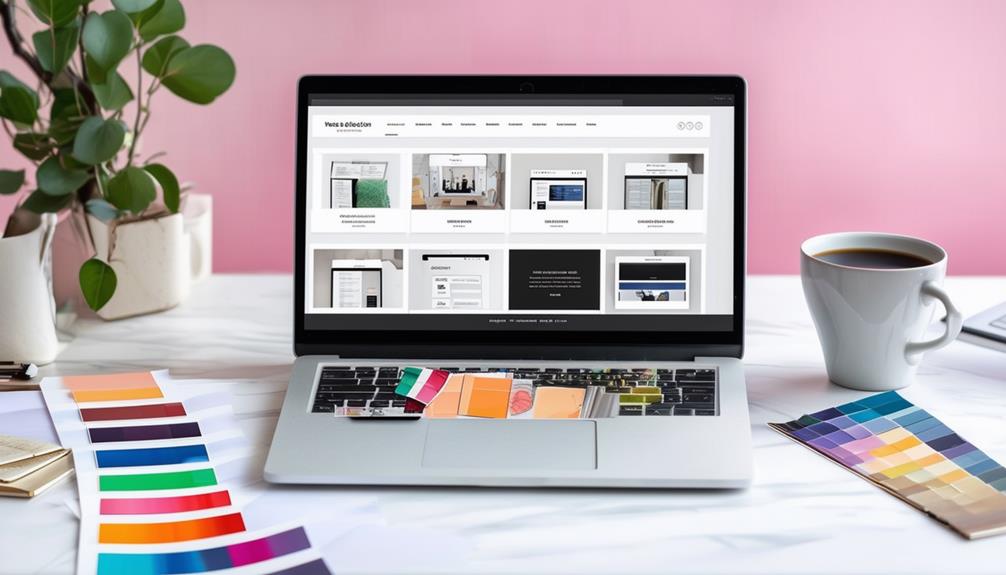
Choosing the perfect WordPress theme for your business involves more than just selecting a visually appealing design. Initially, evaluate your website's content needs and determine the functionalities required to support your operations. Ensure the chosen theme aligns with your brand's aesthetic and provides a professional, consistent look across all pages. To navigate the myriad of options and make an informed decision, consider factors like performance, responsiveness, and plugin compatibility. By doing so, you'll be better equipped to select a theme that drives engagement and success. Let's delve into these aspects in detail.
Understanding WordPress Themes
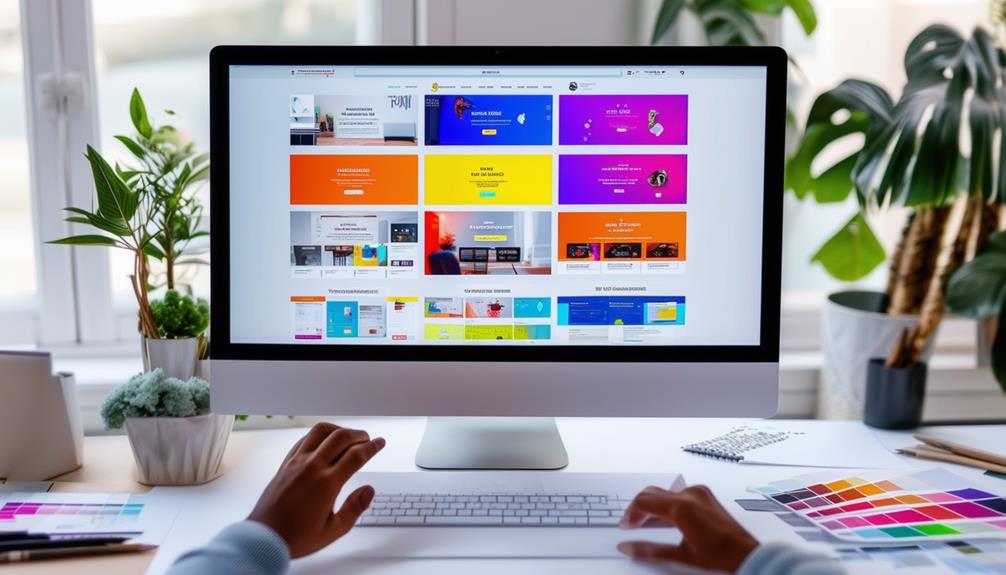
Selecting the right WordPress theme is crucial for shaping your website's visual appeal and functionality. A WordPress theme governs everything from fonts, colors, and layout choices to added functionalities like custom post types and content blocks. Your theme significantly impacts both the look and operation of your site, making it a critical decision for your business.
Different WordPress themes come with various features and customization options to match your brand's aesthetic and functional requirements. Whether you choose a free or premium theme, ensure it supports responsiveness, performance optimization, and flexibility. A responsive theme guarantees your site looks great on all devices, while performance optimization keeps your website fast and efficient.
Accessibility and support are also essential considerations. An accessible theme ensures all users, including those with disabilities, can navigate your site easily. Reliable support from theme developers can save you time and headaches in the future. Ultimately, the right theme can streamline your site development and help you present a cohesive brand image. Choose wisely to make your website both functional and visually appealing.
Assessing Website Content Needs
When evaluating your website content needs, start by identifying the primary types of content you plan to feature, such as blogs, portfolios, or e-commerce sections. Then, prioritize how you want this content to be visually presented to your audience. Make sure that the theme you choose aligns with your content strategy and effectively showcases your offerings. Additionally, consider the consistency, relevance, and trustworthiness of your content to ensure it resonates well with your audience and achieves your objectives.
Identify Key Content Types
To choose the right WordPress theme for your business, you need to identify the key content types your website will feature, such as blogs, portfolios, or e-commerce products. Start by evaluating the content types crucial for showcasing your business offerings. For instance, if you run a creative agency, portfolios and case studies might be essential. If you're in e-commerce, product listings and customer reviews are critical.
Next, consider custom post types like testimonials, events, team members, or case studies. These custom post types can enhance your website, making it more tailored to your needs. Additionally, evaluate whether your site requires special content formats like video, audio, galleries, or interactive elements to make your content more engaging and dynamic.
Specific content blocks such as pricing tables, call-to-action buttons, or customer reviews can further enrich your site and are important for converting visitors into customers. Tailor your theme selection based on the content types that are most vital for your business. By identifying these important content types and specific needs, you ensure that your WordPress theme will effectively support and showcase your business.
Prioritize Content Visuals
Now that you've identified your key content types, it's crucial to focus on how these will visually engage your audience on your website. Content visuals are vital for making your site attractive and user-friendly. Begin by considering the importance of typography and color schemes. These elements should complement your content and reflect your brand's aesthetic. A well-chosen typography and color scheme can significantly enhance readability and visual appeal.
Next, select themes that offer robust multimedia support. If your content includes images, videos, or interactive elements, opt for a theme with built-in features like galleries, sliders, and video integration. These features help showcase your content effectively. For example, sliders can highlight key messages or promotions, while galleries can display portfolios or product images attractively.
Additionally, evaluate whether your content requires custom post types. Custom post types allow you to create tailored content layouts to meet specific needs, such as testimonials, team member profiles, or case studies.
Matching Brand Aesthetic
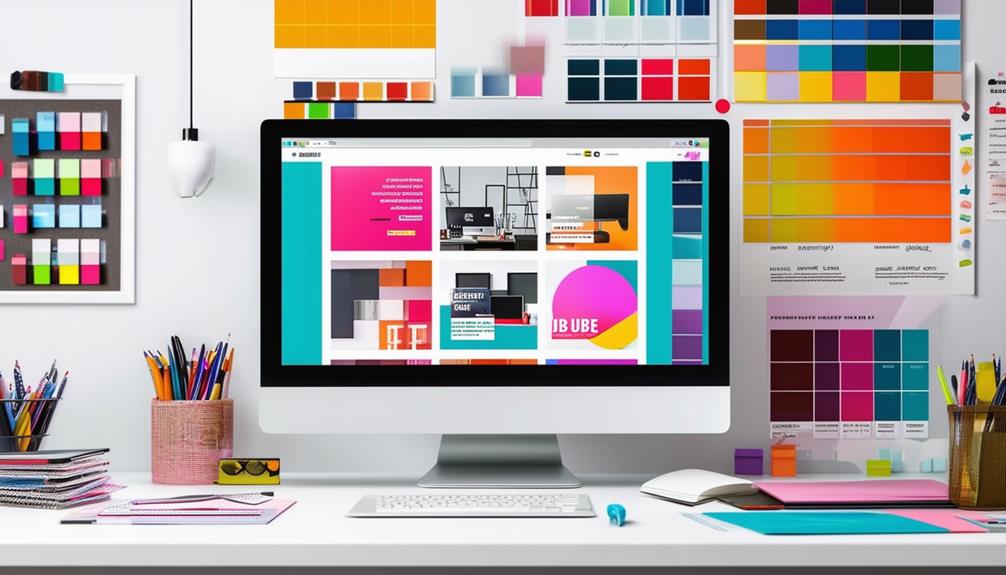
Selecting a WordPress theme that aligns with your brand's aesthetic is essential for maintaining consistency and making a lasting impression. The theme should reflect your style, colors, and overall image to ensure brand uniformity. By choosing design elements that resonate with your target audience, you create a cohesive brand aesthetic that enhances brand recognition and user engagement.
Customizing colors, fonts, and layouts to match your brand's identity can fortify trust and credibility. Consistent branding across your website fosters a sense of reliability and professionalism. This establishes a cohesive brand that distinguishes you from competitors and creates a memorable online experience for visitors.
When your WordPress theme accurately reflects your brand's aesthetic, it not only looks appealing but also reinforces your brand's presence. This alignment significantly impacts how users perceive and interact with your site. A well-chosen theme that matches your brand aesthetic can make your website more engaging and trustworthy, leading to higher user engagement and loyalty. Ensure your theme choice embodies your brand's unique characteristics and leaves a lasting, positive impression on your visitors.
Determining Functionality Requirements
To choose the appropriate WordPress theme, start by identifying the essential features your business requires, such as e-commerce functionality or membership options. Then, ensure the theme offers a seamless user experience and is responsive on all devices. Finally, assess the customization capabilities to ensure the theme aligns with your brand and business objectives.
Identify Essential Features
Understanding your business's specific needs is crucial when selecting the key features for your WordPress theme. Focus on features that enhance user experience and meet your functionality requirements. Begin by identifying the type of content your business will showcase, such as blogs, portfolios, e-commerce, or memberships.
Key features to consider include:
- Responsive Design: Ensures your site looks great on all devices.
- SEO Optimization: Enhances your search engine rankings.
- Social Media Integration: Drives engagement and traffic.
- Custom Post Types: Manage different content formats like testimonials or product listings.
Evaluate the need for unique features tailored to your business goals, such as sliders, galleries, contact forms, or event calendars. Additionally, ensure the theme supports essential plugins for added functionality, including SEO tools, analytics, or e-commerce capabilities.
Consider User Experience
After identifying the key features your WordPress theme needs, focus on how these elements will shape the user experience. Start by ensuring that your navigation menus are intuitive and easy to use. Simple, well-organized menus help visitors find what they're looking for quickly, enhancing their overall experience.
Site speed is another critical factor. A fast-loading site keeps users engaged and reduces bounce rates. Choose themes optimized for performance to maintain quick load times. Mobile responsiveness is essential. With more people browsing on mobile devices, your theme must look and function well on smaller screens. Test the theme on different devices to ensure a seamless experience.
Consider the advanced features your site requires. Custom post types can help you organize different content types effectively, while page builders offer flexibility in design. Interactive maps, call-to-action buttons, and subscription forms can drive user engagement and conversions.
Evaluate Customization Options
Exploring customization options helps you tailor a WordPress theme to meet your business's specific needs and branding. Begin by assessing the level of customization required, focusing on color schemes, font choices, and layout options, which are crucial for establishing a cohesive look that aligns with your brand identity.
Next, ascertain if the theme supports custom post types, widgets, and page templates. These features enable you to address distinct content needs, whether you're showcasing products, services, or blog posts. Opt for themes that include built-in customization tools like theme customizers and page builders, which simplify site modifications without the need for coding.
Consider whether the theme allows for advanced customization, such as adding custom CSS or creating child themes. This flexibility is invaluable as your business grows and evolves. Furthermore, evaluate the theme's adaptability to future changes and additional functionalities to ensure long-term sustainability.
Budget Considerations

When choosing a WordPress theme for your business, it's essential to assess how your budget aligns with both free and premium options. Free themes from WordPress.org can be a good starting point, but premium themes often offer significant advantages. Here's what you need to take into account:
- Initial Costs: Free themes are available at no cost, while premium themes usually require a one-time payment. Be sure to budget for additional expenses like premium plugins and customization services.
- Long-term Value: Premium themes often provide regular updates, advanced features, and scalability options, ensuring your website grows with your business. This includes customer support and theme support, which can save you time and money in the long run.
- Recurring Fees: Some premium themes involve a one-time payment, while others may have recurring fees for ongoing support and updates. Weigh these costs against the benefits of having consistent theme support and access to the latest features.
Key Theme Features
Once you've determined your budget, it's time to focus on the key features that will ensure your WordPress site meets your business needs. First and foremost, prioritize responsive design. With over 60% of web traffic coming from mobile users, a site that looks great on any device is crucial for a stellar mobile user experience.
Performance optimization is another vital aspect. A fast-loading website not only enhances user experience but also boosts your SEO rankings. Look for themes that emphasize speed to keep visitors engaged and improve search engine visibility. Customization options are essential for tailoring your site to fit your brand and evolving business requirements. A flexible theme allows you to easily modify layouts, colors, and functionalities without extensive coding knowledge.
Accessibility features should not be overlooked. Ensuring your site is usable by everyone promotes inclusivity and broadens your audience reach. Additionally, reliable support and maintenance are critical. Themes with strong support and regular updates help resolve issues promptly and keep your site running smoothly.
Exploring Theme Repositories

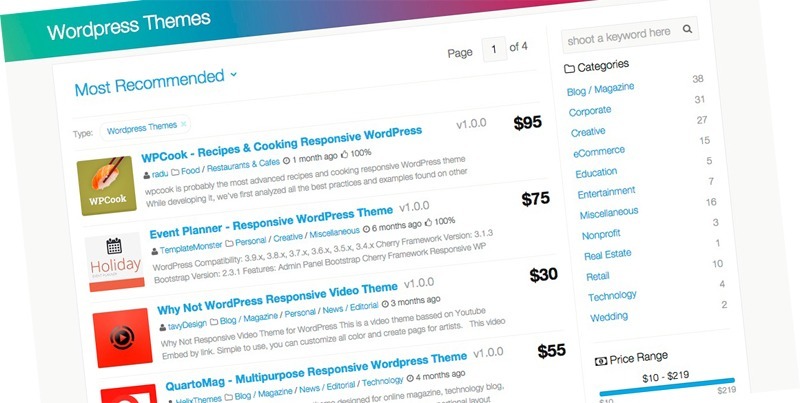
Exploring theme repositories is a crucial step in selecting the ideal WordPress theme for your business. WordPress themes vary in design and functionality, and theme repositories simplify the process of finding the right one. Here are some of the most popular theme repositories and what they offer:
- WordPress.org Theme Directory: This repository features over 7,000 free themes, offering a wide range of options with features tailored to different business needs. It's a great starting point for those looking for cost-effective solutions.
- ThemeForest: With over 11,000 premium WordPress themes, ThemeForest is known for its extensive collection. If you're ready to invest, you can access themes with advanced functionalities and unique designs that can give your site a professional appearance.
- StudioPress and ThemeGrill: StudioPress themes are well-regarded for their performance and SEO optimization. ThemeGrill offers themes catering to various industries and niches. Both repositories provide premium themes with features suited to different business types.
Whether you prefer free themes or are willing to invest in premium options, these repositories will help you find a theme that aligns with your business objectives and aesthetic preferences.
Evaluating Theme Performance
To ensure your chosen WordPress theme performs optimally, start by evaluating its loading speed with tools like Google PageSpeed Insights. A fast-loading site not only enhances user experience but also positively impacts SEO rankings. Next, verify the theme's responsiveness and compatibility across various devices and browsers. Test its appearance and functionality on smartphones, tablets, and different web browsers to ensure a consistent user experience.
Assess the theme's code quality. Clean code minimizes performance issues and loading delays. Opt for themes that incorporate performance optimization features such as lazy loading images and minified CSS and JavaScript to maintain ideal speed. Reading user reviews and ratings is crucial. They provide insights into the theme's real-world performance, including loading speed, responsiveness, and any compatibility issues users have encountered.
Here's a useful table to summarize these points:
| Criteria | Importance |
|---|---|
| Loading Speed | Enhances user experience and SEO |
| Responsiveness | Ensures consistent performance on all devices |
| Clean Code | Reduces performance issues and delays |
| Performance Optimization | Maintains ideal speed |
| User Reviews and Ratings | Provides real-world performance insights |
Checking Plugin Compatibility
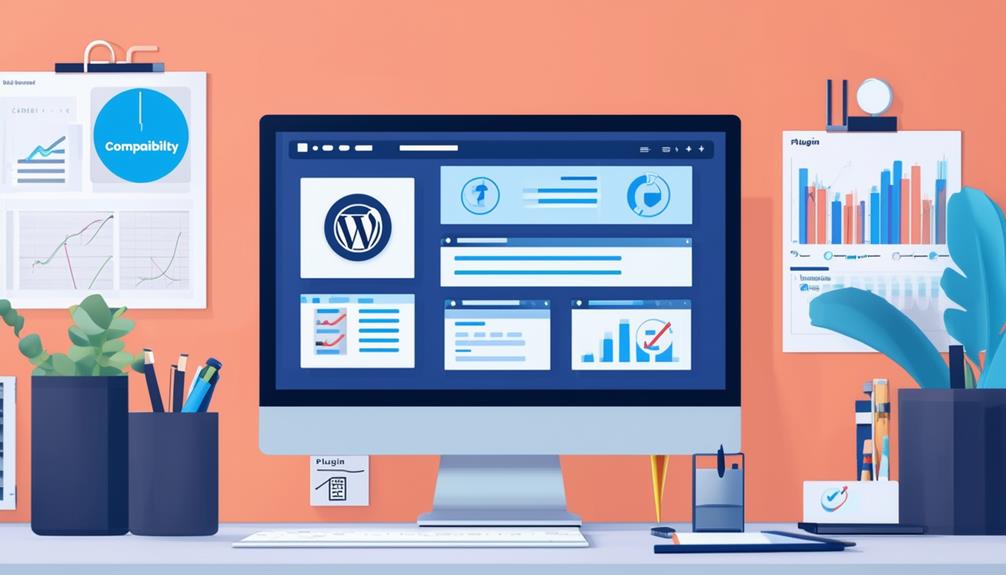
Ensuring your WordPress theme is compatible with essential plugins is crucial for maximizing your site's functionality and user experience. When selecting a WordPress theme, prioritize plugin compatibility to enhance various aspects of your site, from e-commerce capabilities to security.
- E-commerce Integration: For online stores, ensure the theme is compatible with WooCommerce. This plugin is vital for setting up and managing your shop seamlessly.
- Search Engine Optimization (SEO): To improve search engine rankings, check if the theme supports Yoast SEO. This plugin is instrumental in optimizing your content for search engines, thereby increasing site traffic.
- Form Integration and Security: Verify that the theme supports Contact Form 7 for creating and managing contact forms. Additionally, ensure compatibility with security plugins like Wordfence to protect your site from threats.
- Social Sharing: To facilitate social media engagement, choose themes that support Social Warfare. This plugin allows you to integrate social media sharing buttons into your posts easily.
Ensuring Responsive Design
After confirming plugin compatibility, it is equally crucial to prioritize responsive design to ensure your site performs optimally across all devices. With over 60% of website traffic originating from mobile devices, neglecting responsive design can alienate a significant portion of your audience. To verify your theme's responsiveness, conduct tests on various screen sizes and devices. This process helps you evaluate how effectively your content adapts to different environments.
Key components of responsive design include fluid grids and flexible images, which enable your website to adjust seamlessly to any screen size. Additionally, user-friendly menus and widgets enhance the overall user experience on mobile devices, making navigation intuitive and reducing bounce rates.
Customizing themes to improve responsiveness significantly boosts site accessibility. This involves adjusting the design elements to ensure that everything from images to text displays correctly on any device. By focusing on responsive design, you are not only enhancing the visual appeal of your site but also improving its functionality and accessibility for all users. Therefore, take the time to test and refine your WordPress theme, ensuring a smoother and more enjoyable experience for everyone.
Conclusion
Choosing the perfect WordPress theme for your business involves more than just aesthetics; it encompasses functionality, performance, and compatibility. Start by identifying your content requirements and brand identity. Next, assess the theme's responsiveness and support for essential plugins. Ensure you explore theme repositories that fit within your budget. By considering these factors, you can create a cohesive, professional, and user-friendly website that enhances engagement and drives success. Take your time to make an informed decision for optimal results.