How to Choose the Perfect WordPress Theme for Your Business
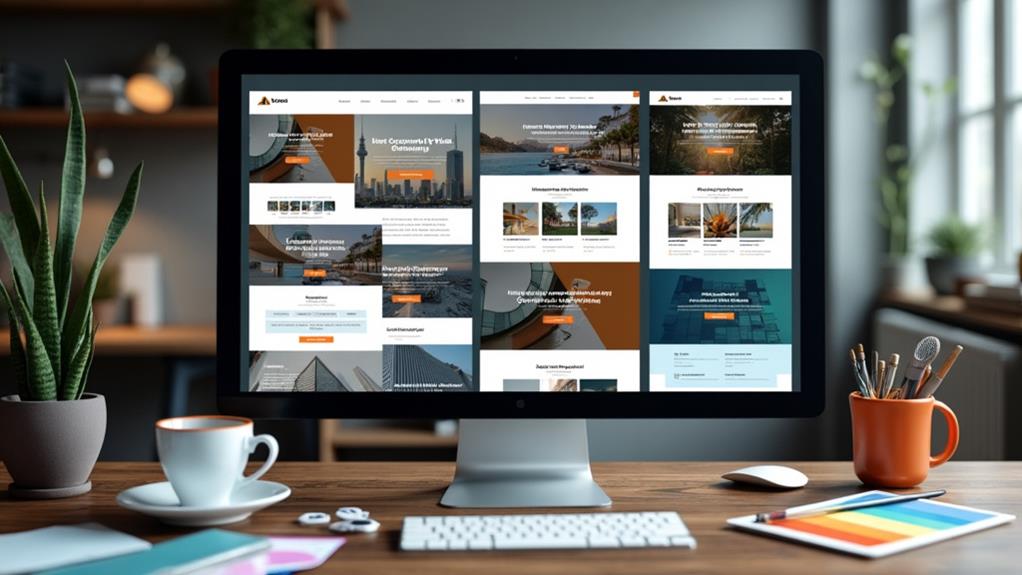
Choosing the perfect WordPress theme for your business begins with understanding your website's goals and aligning them with your brand's aesthetic. Define your primary objectives, such as driving sales or generating leads. Consider essential features like e-commerce capabilities and responsive design. Evaluate themes for customization options, performance, and plugin compatibility to enhance user experience. Additionally, ensure the theme offers reliable support and regular updates. Here are the key steps to make an informed decision.
Understanding WordPress Themes
When exploring WordPress, grasping the concept of themes is essential. WordPress themes are sets of files that control your site's visual appearance and layout, encompassing elements like fonts, colors, and structure. These components collectively impact user experience and brand perception. Selecting a theme with appropriate visual design and functionality is crucial to ensure it aligns with your website's objectives, whether it's an e-commerce platform or a portfolio site.
A well-coded theme can significantly enhance site performance, speed, and SEO, whereas a poorly coded one can lead to slower load times and higher bounce rates. To ensure you choose a well-coded theme, explore the WordPress.org Theme Directory, where themes are vetted for quality. User ratings and reviews also provide valuable insights into a theme's reliability.
When selecting a theme, consider how it will meet your audience's expectations and improve their user experience. Focus on details like alignment with your website's purpose and functionality to ensure your site not only looks good but also performs optimally. Choosing a theme from a reputable source can greatly impact your website's success.
Identifying Your Website Goals
To choose the perfect WordPress theme for your business, you must first clearly define your website goals. Whether your aim is to increase sales, generate leads, or showcase a portfolio, understanding your business objectives is crucial for effective theme selection. Identify the primary type of content you'll be sharing, such as blog posts, product listings, or service descriptions, to ensure the theme you choose supports your specific content needs.
Understanding your target audience's demographics and preferences is another critical step. Select a theme that aligns with their expectations and enhances user engagement. For instance, if your audience favors a clean and minimalist design, opt for themes that offer such aesthetics.
Next, determine the essential functionalities you require, such as e-commerce capabilities or booking systems. Focus on themes that provide built-in support for these key features. Setting measurable goals, like increasing traffic by 20% in six months, can further guide your decision. The ideal theme not only looks appealing but also facilitates the achievement of your business objectives.
Aligning With Brand Aesthetic

Choosing the right WordPress theme for your business is crucial for aligning with your brand aesthetic. A theme that mirrors your brand's personality—whether bright and airy or corporate and structured—significantly impacts user perception and engagement. Studies indicate that consistent color schemes can boost brand awareness by up to 80%. Therefore, selecting a theme that complements your existing logo and marketing materials is essential.
To maintain a cohesive visual identity across all platforms, opt for themes that offer customizable options. This flexibility allows you to fine-tune elements to match your evolving brand identity. Using neutral colors with accent shades in your theme can result in a visually appealing layout that enhances readability and user interest.
When selecting a WordPress theme, ensure it captures your brand's essence. The right theme can enhance brand recognition and create a unified look and feel. Prioritizing your brand aesthetic in your theme choice sets the stage for a professional and engaging online presence. Remember, the perfect theme isn't just about appearance—it's about crafting a cohesive, memorable experience for your users.
Evaluating Essential Features
After aligning your WordPress theme with your brand aesthetic, it's essential to evaluate key features to ensure your website functions seamlessly and meets your business needs. Begin by verifying the theme has a responsive design, as more than 60% of web traffic comes from mobile users—making mobile compatibility indispensable. Use the WordPress Feature Filter to find themes that match your specific needs, whether it's e-commerce capabilities, translation readiness, or customizable layout structures.
Next, assess the theme's customization options. Ensure flexibility in color schemes and typography to maintain your brand's visual identity. An SEO-friendly theme is crucial for improving search engine rankings and site visibility, so confirm the theme is optimized for this purpose. Additionally, verify that the theme supports essential plugins, such as WooCommerce for e-commerce sites or contact form plugins, to extend your website's functionality.
Key features to prioritize when evaluating a WordPress theme include:
- Responsive design for seamless mobile compatibility.
- Utilize the WordPress Feature Filter to identify required functionalities.
- Flexible customization options including color schemes and layout structures.
- SEO-friendly structures to improve search engine rankings.
- Support for essential plugins to enhance functionality and user experience.
Considering Theme Customization
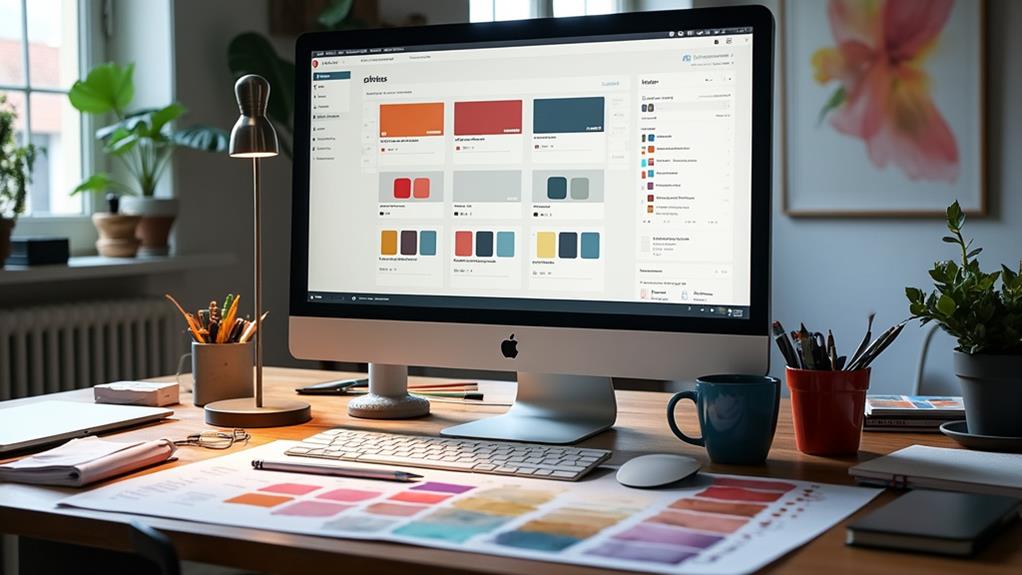
When selecting a WordPress theme, customization is a crucial factor to consider. Customization allows you to align your website's visual design with your brand's unique aesthetic. Look for themes that offer robust customization options, enabling you to easily adjust color schemes, fonts, and layouts.
Drag-and-drop page builders are essential features as they simplify the customization process, allowing users without coding skills to create unique layouts. Additionally, ensure the theme supports custom CSS for advanced users who need more intricate design options.
It's beneficial if the theme includes demo content and import features, which help you quickly set up and visualize your site's design, providing a solid foundation for further customization. Also, choose themes that support child theme creation, allowing modifications without affecting the original theme and ensuring customizations remain intact during updates.
Ensuring Responsiveness and Performance
When selecting a WordPress theme, prioritize responsiveness to ensure your site performs well on any device, as over 60% of web traffic originates from mobile users. Test the theme across multiple browsers, including Chrome, Firefox, and Safari, to ensure compatibility. Additionally, focus on speed optimization techniques to maintain load times under three seconds, which improves user engagement and SEO.
Mobile Compatibility Testing
With over 60% of web traffic coming from mobile devices, ensuring your WordPress theme is responsive isn't just a luxury—it's a necessity for user engagement and SEO performance. Mobile compatibility testing is essential to ensure your site looks and functions well across all devices. Start by using browser Developer Tools to simulate different screen sizes and resolutions. These tools help identify responsive design issues, ensuring text readability and smooth navigation on various devices.
Next, check for cross-browser compatibility. Your theme should perform consistently across major browsers like Chrome, Firefox, and Safari. This step is crucial for maintaining a uniform user experience. Additionally, monitor page load speed. Lightweight themes typically load faster, and ideal loading times should be under three seconds. Faster sites lead to better user retention and satisfaction.
Here are some steps to guide you:
- Use browser Developer Tools to simulate different screen sizes.
- Test the theme on various devices.
- Ensure cross-browser compatibility.
- Monitor page load speed to keep it under three seconds.
- Choose lightweight themes for optimal performance.
Speed Optimization Techniques
After ensuring mobile compatibility, the next step is to focus on speed optimization techniques to enhance your site's responsiveness and performance. Page load speed is crucial; even a slight delay can lead to increased bounce rates and adversely affect your SEO rankings. Opt for lightweight themes, as they significantly improve loading times. Conversely, avoid poorly coded themes, which can slow down your site and frustrate users.
To pinpoint areas for improvement, use tools like Google PageSpeed Insights. These tools offer detailed insights into your theme's performance, helping you make necessary adjustments. Regular updates are essential to maintain compatibility with plugins and ensure continual improvements in speed and functionality.
Here's a quick comparison of key considerations:
| Aspect | Key Points |
|---|---|
| Lightweight Themes | Enhance page load speed, improve loading performance |
| Poorly Coded Themes | Increase bounce rates, negatively impact SEO rankings |
| Regular Updates | Ensure compatibility, enhance theme performance |
Checking Plugin Compatibility
Verifying plugin compatibility is a crucial step when selecting a WordPress theme for your business. Ensuring that the theme works seamlessly with essential plugins like WooCommerce for e-commerce, Contact Form 7 for forms, and Yoast SEO for search engine optimization can significantly enhance your website's functionality. Here's how to ensure smooth plugin integration:
- Check Theme Documentation: Review the theme documentation for a list of supported plugins. Comprehensive documentation often details compatibility with popular plugins, which can enhance your site's capabilities.
- Read User Reviews: User reviews can provide valuable insights into how well the theme integrates with specific plugins. Look for feedback specifically addressing plugin compatibility issues or successes.
- Test Demo Versions: Utilize demo versions of themes to test plugin functionality. This hands-on approach allows you to verify that all necessary features work together seamlessly.
- Ensure Regular Updates: Verify that the theme has a history of regular updates. Consistent updates are critical for maintaining both compatibility and security.
- Assess Track Record: Choose a theme known for maintaining compatibility with important plugins. A good track record reduces the risk of encountering functionality issues in the future.
Finding Reliable Support and Updates
When selecting a WordPress theme for your business, it is crucial to ensure reliable support and regular updates. Verify that the theme provides comprehensive documentation and consistent developer assistance for troubleshooting. Additionally, choose themes with a proven track record of frequent updates to ensure ongoing security and performance enhancements.
Consistent Developer Assistance
Choosing a WordPress theme for your business goes beyond aesthetics; it's essential to ensure you have consistent developer support. Quality themes typically come with dependable assistance, allowing you to resolve issues swiftly. Seek out theme developers who provide multiple support options such as forums, chat, or email. Premium themes generally offer 6 to 12 months of dedicated support, with extensions available for ongoing help.
Here are some tips to ensure you receive consistent support:
- Verify support channels: Ensure the theme offers various support channels to meet your needs.
- Look for regular updates: Frequent updates from theme developers ensure compatibility with the latest WordPress version and plugins.
- Review user feedback: User reviews can offer insights into the reliability and responsiveness of the support team.
- Check the last update date: Regular updates indicate active developer engagement and a well-maintained theme.
- Assess theme features: Themes with extensive features often come with robust support to help you utilize them effectively.
Regular Theme Updates
Regular theme updates are crucial for maintaining the security and functionality of your WordPress website. These updates ensure that any vulnerabilities are patched and compatibility with the latest WordPress version and plugins is maintained. Before selecting a theme, check its update history; themes not updated in over six months may pose security risks and compatibility issues.
Premium themes often include ongoing developer support for six to twelve months, which can be invaluable if problems arise. Opt for themes with strong community support and active forums or customer support to ensure timely assistance.
User reviews and ratings on platforms like WordPress.org provide insights into a theme's update frequency and the quality of developer support. By focusing on regular theme updates and user feedback, you can choose a theme that is both visually appealing and reliable for long-term website security and functionality.
Comprehensive Documentation Access
Access to comprehensive documentation is crucial for effective theme selection for your WordPress site. Detailed documentation provides clear installation instructions, customization tips, and troubleshooting steps, ensuring you can fully utilize your theme's features. When choosing a theme, always verify that it includes thorough manuals or guides.
Quality themes typically come with robust support options such as forums, live chat, or email assistance. These resources are essential for quickly resolving issues and maintaining your site's stability. Regular updates are also critical for security and performance, so always check the last update date to ensure ongoing support and development.
User reviews and ratings are invaluable for assessing the quality of support and documentation. They offer insights into the reliability and responsiveness of the theme developers. Premium themes usually provide 6 to 12 months of support post-purchase, which is particularly beneficial during the early stages of your website's lifecycle.
- Comprehensive documentation: Installation guidance and customization tips.
- Robust support options: Forums, live chat, or email assistance.
- Regular updates: Essential for security and performance.
- User reviews: Insights into theme features and developer reliability.
- Extended support: 6 to 12 months post-purchase for premium themes.