How to Use WordPress to Create and Manage Online Courses

Using WordPress to create and manage online courses opens up extensive possibilities beyond just website creation. Start by selecting a reliable web host and a unique domain name to establish your online presence. Installing a Learning Management System (LMS) plugin will transform your site into a comprehensive educational platform. With customizable themes and Full Site Editing, you can design an engaging course layout that aligns with your teaching style. You can also organize your content efficiently and explore various strategies for marketing and monetizing your courses.
Choosing Your Course Topic

Choosing the right course topic is crucial for attracting students and ensuring the success of your online course. Start by evaluating your expertise and passion. Teaching a subject you are knowledgeable and enthusiastic about will resonate more with your audience. Next, consider your target audience: Who are they, and what problems do they need solving? Your course topic should directly address these needs.
Researching market demand and competition is essential. Examine existing courses to see what's available. Use tools like Google Trends and keyword research to gauge interest levels. If the market is saturated, think about how you can offer something unique. Identifying industry gaps or emerging topics can provide a fresh angle that sets your course apart.
Align your course topic with your long-term goals. Whether you aim to build a brand, grow a mailing list, or generate recurring income, your topic should support these objectives. Stay updated on trends in your field—what's gaining traction, and what are the future needs? This foresight will ensure your course remains relevant. Finally, validate your ideas through surveys or feedback to confirm genuine interest before investing time and resources.
Setting Up Your WordPress Site
To set up your WordPress site efficiently, start by choosing a reliable web host like Bluehost or Hostinger to ensure peak performance. These hosting services will help your online course website run smoothly, even as your student base grows. Next, select a unique and memorable domain name that reflects your course content, making it easier for students to find you online.
After securing your hosting and domain, install WordPress on your site. Its user-friendly interface is ideal for creating educational websites. To manage your courses effectively, you'll need a Learning Management System (LMS) plugin such as LearnDash or LifterLMS. These plugins enable you to create, organize, and deliver course content seamlessly.
Optimize your site speed using caching plugins like WP Rocket or W3 Total Cache. Fast-loading pages improve user experience and keep students engaged. Additionally, ensure your website's security with an SSL certificate and regular backups to protect your data.
Designing Your Course

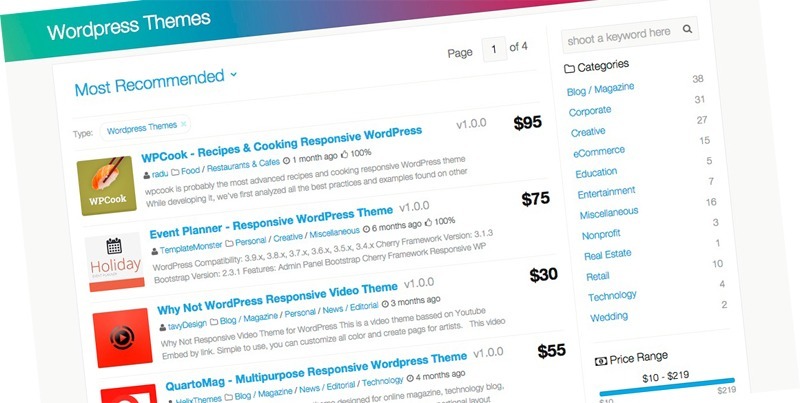
Selecting a responsive and user-friendly WordPress theme ensures that your course site is visually appealing and easy to navigate for your students. This foundational step aligns your layout and design with your brand identity, enhancing the overall learning experience. Utilize Full Site Editing (FSE) in WordPress to customize every aspect of your site, tailoring the user experience to meet your needs.
Next, establish a robust course structure by installing an LMS plugin like Sensei LMS, which simplifies the creation and management of your online course content. To create engaging lessons, incorporate interactive elements such as quizzes, videos, and forums. These features help maintain student interest and facilitate deeper learning.
Consider these tips:
- Customize block patterns: Enhance the visual appeal and organization of your course content.
- Ensure compatibility: Verify that your theme and plugins work seamlessly together.
- Interactive elements: Integrate quizzes, videos, and forums to engage students.
- Consistent branding: Align your layout and design with your brand identity for a cohesive look.
Creating Course Content
Crafting compelling course content is essential for delivering an engaging and effective online learning experience. When creating a course on WordPress, utilize LMS plugins like Sensei LMS to structure your course content into modules, lessons, and quizzes. This ensures a seamless flow and easy navigation for student progression.
Use the block editor within WordPress to create engaging lesson content. This user-friendly tool allows you to incorporate various content formats, such as videos, images, and downloadable materials. Including multimedia elements can significantly enhance the learning experience and accommodate different learning styles.
Organize your course content by breaking it down into manageable sections and lessons. This structured approach helps students follow along more easily and keeps them engaged. Experiment with different formats to maintain interest and reinforce learning.
Marketing and Monetizing Your Course

When you're ready to market and monetize your WordPress course, start by integrating reliable payment gateways like PayPal or Stripe to streamline transactions. This guarantees a smooth payment experience for your students, building trust and credibility.
Next, consider offering course memberships and subscriptions to create a steady revenue stream. With WooCommerce integration, you can manage payments seamlessly, handling both recurring payments and one-time purchases with ease.
Leverage SEO strategies to attract organic traffic to your course. Optimize your content with relevant keywords and create engaging material to capture the interest of your audience. Ensure you include compelling calls-to-action to encourage course enrollment and participation.
Here are some actionable steps to enhance your marketing efforts:
- Integrate payment gateways: Use PayPal or Stripe for secure transactions.
- Offer memberships and subscriptions: Provide options for ongoing access to your courses.
- Use WooCommerce integration: Simplify payment management and processing.
- Implement SEO strategies: Drive organic traffic by optimizing your content for search engines.
Conclusion
You have everything necessary to create and manage an engaging online course using WordPress. By selecting an appropriate topic, setting up your site, designing your course, creating compelling content, and implementing effective marketing strategies, you can attract and retain students. With the flexibility of WordPress and the capabilities of an LMS plugin, you are well-equipped to transform your expertise into a thriving online educational platform. Start today and watch your online course flourish!