Texas-Based Web Templates & UI Kits to Inspire Your Next Project

Texas-based web templates and UI kits blend Western charm with modern functionality, offering warm desert colors, rustic textures, and vintage typography that resonate with local audiences. You'll find mobile-first designs that reflect the large share of traffic coming from smartphones, while thoughtfully structured layouts can lift conversions when paired with strong content and testing.
Whether you need an e-commerce solution or a tech-startup interface, these region-inspired designs deliver both aesthetic appeal and practical performance benefits.
Mobile-First Texas Templates for Responsive Design
https://www.youtube.com/watch?v=qyomWr_C_jA
While traditional web design once prioritized desktop experiences, Texas web agencies have embraced a clear shift toward mobile-first responsive design. Austin shops—Creative Marketing Nerds among them—now build templates that automatically resize content across devices, ensuring accessible, mobile-friendly experiences from the start.
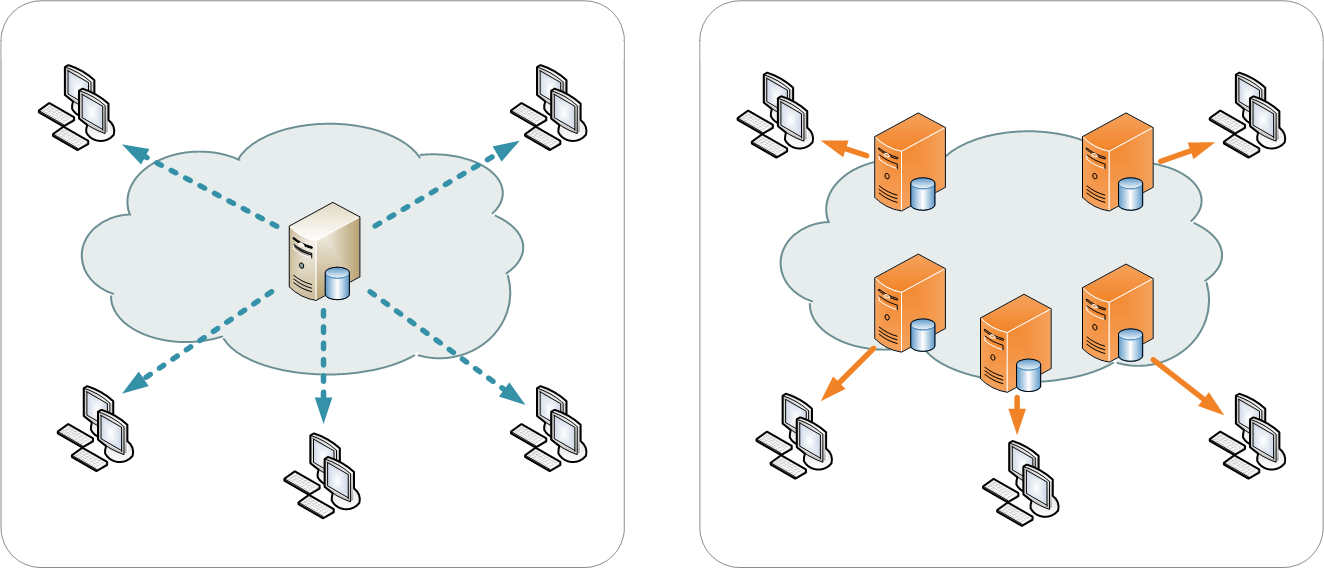
Google's search systems also factor mobile usability into discoverability, and for Texas audiences concentrated around DFW, Houston, Austin, and San Antonio, pairing a lean template with edge POPs in those metros typically improves TTFB and stabilizes LCP on mobile.
These templates prioritize responsive typography, adjusting font sizes and spacing proactively rather than as an afterthought. You'll notice images and text that scale cleanly when switching device orientation, without awkward cropping or overflow.
With a substantial portion of Texas web traffic arriving via mobile, this approach yields tangible benefits—leaner payloads, better engagement, lower bounce rates, and a consistent, professional brand across screens.
High-Converting UI Kits for Tech Startups
Why do some startups gain traction quickly while others stall? Often, the difference is a conversion-focused UI kit paired with sound product strategy.
First impressions are formed in milliseconds, and design quality strongly shapes user trust. Clear hierarchy, accessible color contrasts, and prominent CTAs can materially improve sign-ups and trials. Teams that emphasize user empowerment—intuitive flows, meaningful defaults, and transparent messaging—regularly see higher conversion rates.
For AI-driven products, ethical design (explanations, consent, and human-in-the-loop cues) is essential for maintaining trust. Texas startups frequently ship English–Spanish UI from day one—labels, search synonyms, and error states should localize cleanly without breaking layout.
Use data to guide iteration, but avoid relying on single, inflated benchmarks; long-term wins come from continuous testing and refinement.
E-Commerce Templates with Texas-Style Visual Flair
Five visual elements often define Texas-style e-commerce: warm palettes, rustic textures, iconic Western motifs, bold vintage type, and spacious layouts. When selecting a template, look for these cues—then ensure the theme supports performance, accessibility, and checkout best practices.
If you sell across the state's urban–rural mix, favor themes with tap-to-call, curbside/pickup modules, and tax/shipping calculators tuned to in-state needs, plus ADA/WCAG 2.2-friendly type scales.
Modern platforms (e.g., Shopify, Webflow, Wix) offer customizable, mobile-responsive themes and native integrations for payments, inventory, and analytics. Choose options that include schema, image optimization (WebP/AVIF), and social/meta features so your store is discoverable and share-ready—while preserving that distinctive Texas look that resonates with both urban Houston and rural West Texas shoppers.
Custom vs. Template Solutions: Finding Your Sweet Spot
Choosing between custom and template solutions usually hinges on four factors: cost, timeline, SEO/control, and brand uniqueness.
Templates deliver strong value and can launch in weeks, with built-in responsiveness and a predictable budget. Custom builds require more time and resources but grant deeper technical control, cleaner bespoke code, and unique user journeys—advantages that matter in competitive markets where differentiation is key.
Many teams land on a hybrid: a well-built theme with targeted custom sections—e.g., a Texas-specific store locator (county filters), RodeoHouston / State Fair event modules, or bilingual PDP blocks.
Speed-Optimized Templates for Improved User Experience
Load speed dramatically shapes user behavior. People abandon slow sites, and search engines reward fast, stable experiences.
Speed-savvy templates ship with compression, lazy loading, critical-CSS strategies, and CDN support. Keep your core pages lean by auditing third-party scripts, sizing images responsibly, and deferring non-critical assets.
Rather than chase universal percentages, aim for consistently sub-second interactivity on key actions and target Core Web Vitals thresholds (LCP ≤ 2.5s, INP ≤ 200ms, CLS ≤ 0.1) on LTE-quality rural connections common across Texas.
Industry-Specific UI Components for Texas Markets
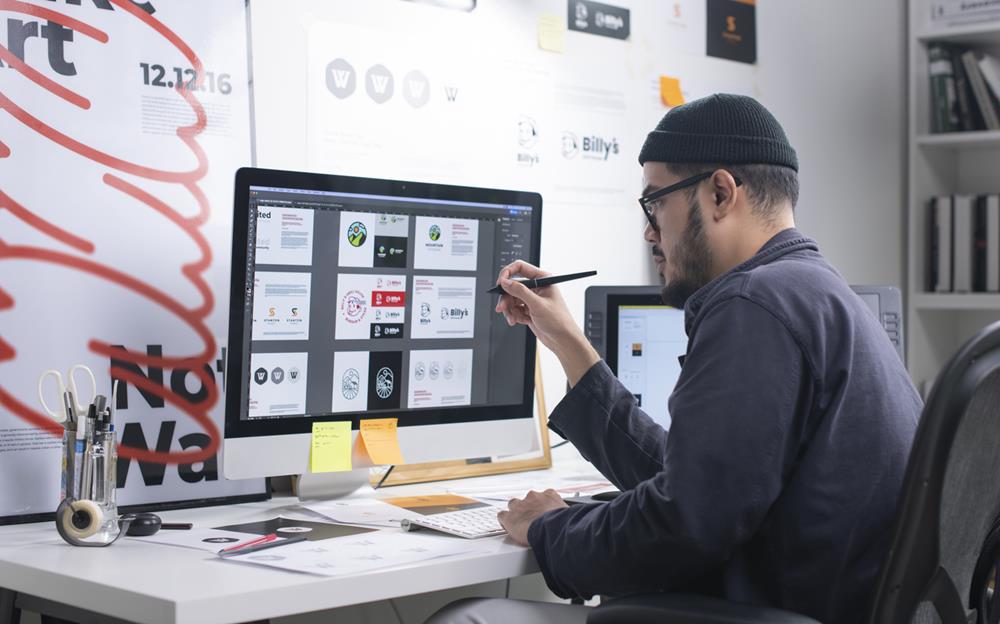
Texas businesses benefit from UI components tuned to local needs. With mobile usage dominant, prioritize finger-friendly navigation, tall tap targets, and scrollable layouts.
Industry-tailored templates should include practical elements: contractor quote forms, restaurant reservations with tap-to-call, event calendars, and GPS-enabled store locators. Many UI kits now add multilingual options (e.g., English–Spanish) to reflect Texas's diversity.
For contractors, healthcare, and higher-ed—big Texas sectors—look for multi-location hours, insurance/provider directories, and Spanish intake forms to keep experiences consistent, compliant, and on-brand.
Maintenance, Compliance, and Scalability in Modern Web Kits
Modern kits go well beyond styling. Look for architectures that enable modular growth (component-based or service-oriented), so you can extend functionality without rewrites. Strong options bundle managed hosting pathways, edge caching in Texas metros, and load-balancing integrations for traffic spikes, along with built-in observability (error tracking, performance logs) and support for Core Web Vitals to keep quality measurable as you scale.
Don't overlook compliance: the Texas Data Privacy and Security Act (TDPSA) raises the bar for consent UX and disclosures. Ensure your template renders cookie banners, preference centers, and do-not-sell/share links without layout shifts, and supports data-minimization patterns as you add integrations.
Conclusion
You now have a practical lens for choosing Texas-inspired web templates and UI kits. Whether you're building a responsive marketing site, launching e-commerce, or targeting sector-specific needs, balance ready-made efficiency with custom touches, and prioritize speed, compliance, and scalability for long-term success. Start building with confidence.