What Is a Beacon in Retail?
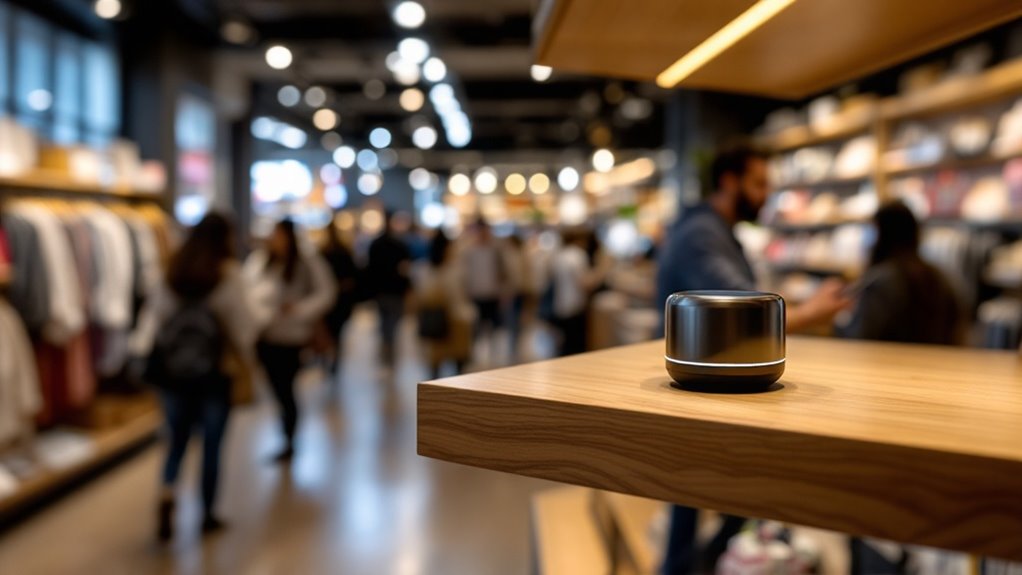
In retail, a signal is a small device using Bluetooth to communicate with smartphones and improve your shopping experience. As you walk through a store, signals send push notifications to your phone with offers based on your location. They're key in proximity marketing, directing you to specific products and providing personalized promotions. By collecting data on shopping habits, retailers can tailor their marketing strategies to boost customer satisfaction. You'll need the store's app and Bluetooth enabled to receive these benefits.
There's more to investigate about how signals optimize retail, improve loyalty programs, and navigate challenges like privacy concerns.
Understanding Beacon Technology
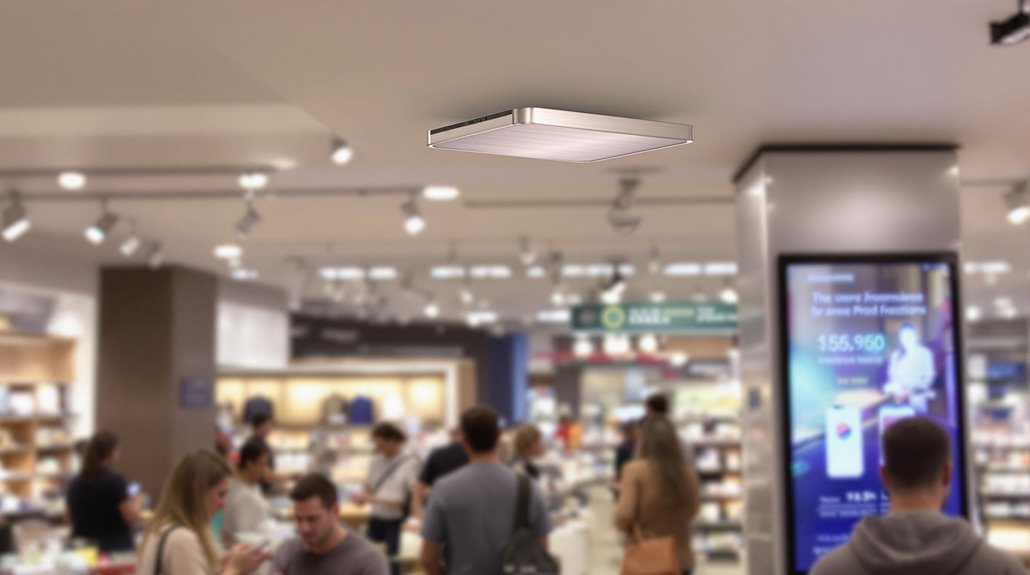
Although technology constantly evolves, understanding guiding technology is crucial for modern retail. Beacons are small, battery-operated devices that use Bluetooth Low Energy (BLE) to communicate with nearby smartphones. As a retailer, you can utilize beacon technology to improve customer engagement by sending push notifications directly to shoppers' devices. These notifications are triggered based on their proximity to a beacon, making it a powerful tool for proximity marketing.
By strategically placing beacons throughout your store, you can gather valuable consumer data. This data provides insights into shopping habits, enabling you to tailor personalized experiences for your customers. Imagine knowing exactly where shoppers linger, what catches their attention, and how they navigate your store. This information helps you deliver targeted promotions and recommendations, ensuring that each customer's shopping experience is unique and engaging.
Major retailers like Macy's and Target have successfully used beacon technology to enhance the in-store experience. By embracing this technology, you can connect with your customers in real-time, offering them relevant information and deals as they shop. Ultimately, understanding beacon technology allows you to create a more interactive and personalized shopping environment. Additionally, integrating beacon technology with IoT devices can further automate and enhance the shopping experience.
Benefits for Retailers
In the competitive world of retail, leveraging guiding light technology offers numerous benefits that can transform your business. Guiding light technology allows you to send personalized promotions to customers based on their location within your store. This targeted marketing approach not only captures their attention but also improves customer engagement by providing timely notifications about products or promotions they're near. Imagine the potential sales increase when a shopper receives a discount notification just as they pass by a relevant aisle.
By adopting guiding lights, you gain access to valuable consumer data on shopping habits and foot traffic. Analyzing this data helps you refine your marketing strategies and optimize store layouts to better suit your customers' needs. This insight into consumer behavior allows for a more tailored shopping experience, ultimately elevating customer satisfaction. Machine learning analyzes user behavior to deliver tailored product recommendations, further enhancing the personalized shopping experience.
Integration with loyalty programs is another significant advantage of guiding light technology. It fosters stronger customer loyalty by encouraging app usage, which can lead to higher retention rates. When customers feel connected to your brand through personalized communication—based on their shopping history—they're more likely to return. Fundamentally, guiding lights are a powerful tool for retailers looking to improve their business and stay ahead in the market.
Customer Access Requirements
To make the most of guiding light technology, customers need to meet certain access requirements. Initially, downloading the store's mobile app is essential. Without it, you won't receive beacon-triggered notifications that improve your in-store experience. Once you've got the app, verify Bluetooth is enabled on your device. This step is critical because beacons rely on Bluetooth signals to communicate effectively with your phone.
Next, don't forget to activate location sharing. This allows beacons to pinpoint your exact position in-store, guaranteeing you receive personalized messages and offers tailored just for you. If you skip any of these steps—installing the app, turning on Bluetooth, or enabling location sharing—the beacons' functionality will be greatly limited. You might miss out on exclusive personalized offers or notifications designed to improve your shopping experience.
Retailers often incentivize early adopters with coupons or discounts, encouraging you to meet these access requirements. By doing so, you not only gain access to personalized deals but also contribute to shaping a more interactive and engaging shopping environment. Accept these requirements to reveal a more tailored and rewarding in-store experience.
Challenges of Implementation
Implementing signal technology in retail comes with its own set of challenges that retailers can't ignore. Privacy concerns are at the forefront, as consumers worry about location tracking and the sharing of their personal data. These issues can deter customers from engaging with signal technology, especially when they're not fully aware of how their data is used. That's why it's imperative for retailers to communicate the value of signal notifications clearly and transparently. Moreover, technological barriers add another layer of complexity.
Not all customers are tech-savvy, and the requirement for app downloads, alongside enabling Bluetooth and location services, can be intimidating. To overcome this, retailers need to guarantee that the process is as seamless as possible, providing guidance and support where necessary. Consumer opt-ins are critical for effective signal marketing. You'll need to create compelling incentives to motivate customers to download apps and engage with your offerings. Demonstrating tangible benefits from these interactions is fundamental to foster ongoing customer engagement.
If customers see the real value in what you're offering, they'll be more likely to adopt this technology, enhancing their shopping experience and driving your business's success. Implementing personalization strategies, such as customized landing pages, can further enhance user engagement and increase conversion rates.
Real-Life Use Cases
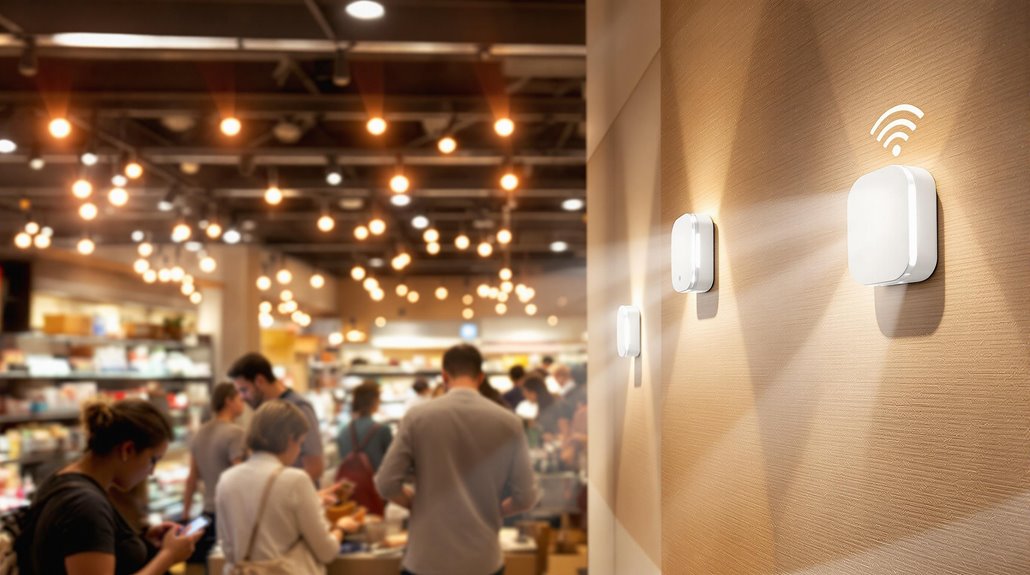
Signal technology is transforming the retail landscape, with several groundbreaking use cases demonstrating its potential. Macy's, for instance, installed over 4,000 devices in their brick-and-mortar stores, enhancing customer engagement by sending personalized notifications about deals based on where you're shopping. This approach improves your shopping experience, keeping you informed of offers you might otherwise miss.
At Target, devices take customer engagement a step further. Once you enter the store, their app provides GPS-connected shopping carts to help locate items and offer tailored recommendations. This use of device technology not only streamlines your shopping experience but also makes it more personalized and efficient.
Amazon Go offers a unique cashier-less shopping experience using devices. These allow you to grab items and exit without waiting in line, as your account gets charged automatically. It's a seamless blend of technology and convenience.
Nordstrom employs devices to send you notifications about events and promotions, which can foster customer loyalty by making you feel valued and informed. Likewise, CVS Health uses real-time service notifications to improve your in-store experience greatly, showcasing how devices in retail can redefine traditional shopping. Utilizing AI-powered tools for real-time personalized content delivery can further enhance these retail experiences by ensuring the right information reaches customers at the right time.
Future of Beacon Technology
Building on these real-life applications, the future of guiding light technology in retail is poised for exciting advancements. As a retailer, you'll find signal technology increasingly valuable for enhancing customer interactions and creating more personalized shopping experiences. By leveraging these signals, you can gather insights into consumer behavior, allowing you to tailor your offerings to what's most relevant for your customers.
The integration of AI with signal technology is set to revolutionize how you engage with shoppers. It'll provide you with deeper analytics capabilities, enabling smarter strategies for proximity marketing. Imagine being able to predict what your customers want before they even know it themselves! But it's not just about marketing—expect to see signals used to bolster data security, ensuring your customers' privacy is respected while still gathering valuable information.
Innovation in signal hardware and software will continue to advance, addressing concerns around data sharing and tracking. You might also consider exploring applications beyond traditional retail, tapping into sectors like healthcare and education. By adopting these cutting-edge solutions, you're not just staying current; you're setting the stage for a future where location-based information transforms customer experiences.
AI fraud detection can enhance transparency in digital marketing transactions, providing secure and verifiable interactions between retailers and consumers.