
What Is Hyper Targeting?

You use hyper-targeting to deliver digital content specifically to audiences based on their interests, demographics, and behaviors. This approach improves engagement and conversion rates by ensuring your message reaches the right people at the perfect time. By analyzing detailed buyer personas and using data analytics, you can craft personalized messages for distinct audience segments, avoiding the inefficiency of one-size-fits-all strategies. Platforms like Facebook and Google allow insights into user behaviors and preferences, using real-time data to refine marketing strategies.
Hyper-targeting not only elevates brand awareness and sales but also improves customer satisfaction and loyalty. Uncover more advantages and implementation methods ahead.
Understanding Hyper Targeting
Although the online environment can be overwhelming, understanding hyper-targeting is crucial for effective marketing. You need to know that hyper-targeting is all about delivering digital content to specific audiences by analyzing their interests, demographics, and online behaviors. This approach aims to improve engagement and conversion rates by guaranteeing your messages hit the right audience at the right time.
By employing audience segmentation, you can filter consumers into distinct groups, which allows you to craft personalized messages that truly resonate with each segment. This tailored approach is much more effective than the traditional, one-size-fits-all marketing strategies. Platforms like Facebook, Google, and Instagram offer detailed targeting options that make reaching niche audiences easier than ever. With hyper-targeting, you can utilize these platforms to effectively reach your desired audience.
Research backs up the effectiveness of hyper-targeting, showing that it can be twice as effective as traditional mass marketing. Consumers appreciate relevant and personalized messages, which is why 76% are more likely to buy from brands that personalize their communication. Embracing hyper-targeting not only improves customer satisfaction but also guarantees your marketing efforts are more successful and impactful. AI and machine learning play a significant role in hyper-targeting by enabling real-time ad customization and providing actionable insights for refined targeting strategies.
Key Components of Hyper Targeting
At the heart of hyper-targeting are detailed buyer personas that dissect demographics, geography, and interests, allowing you to reach specific audience segments effectively. You utilize these personas as the foundation of your marketing strategy, tailoring messages that resonate with your audience's preferences and behaviors. By analyzing user behavior, preferences, and engagement metrics, you gain invaluable data-driven insights that shape your targeting options, guaranteeing your campaigns hit the mark.
Hyper-targeting thrives on micro-segmentation, where you break down large customer bases into smaller, actionable groups. This approach improves the relevance of your marketing efforts, making your messages more personalized and impactful. You can utilize multiple platforms, like social media and search engines, to deliver content that speaks directly to niche audiences, increasing engagement and conversions.
Achieving hyper-targeting often involves dynamic segmentation that adapts marketing strategies based on real-time data, ensuring your messages are timely and relevant. Continuous testing, monitoring, and analysis are vital components. You must refine your targeting strategies continually to align with evolving consumer needs and behaviors. By doing so, you guarantee your marketing remains effective and adaptable. As the landscape shifts, your ability to tweak and optimize your campaigns becomes significant, keeping your marketing strategy dynamic and responsive to change.
How Hyper Targeting Works
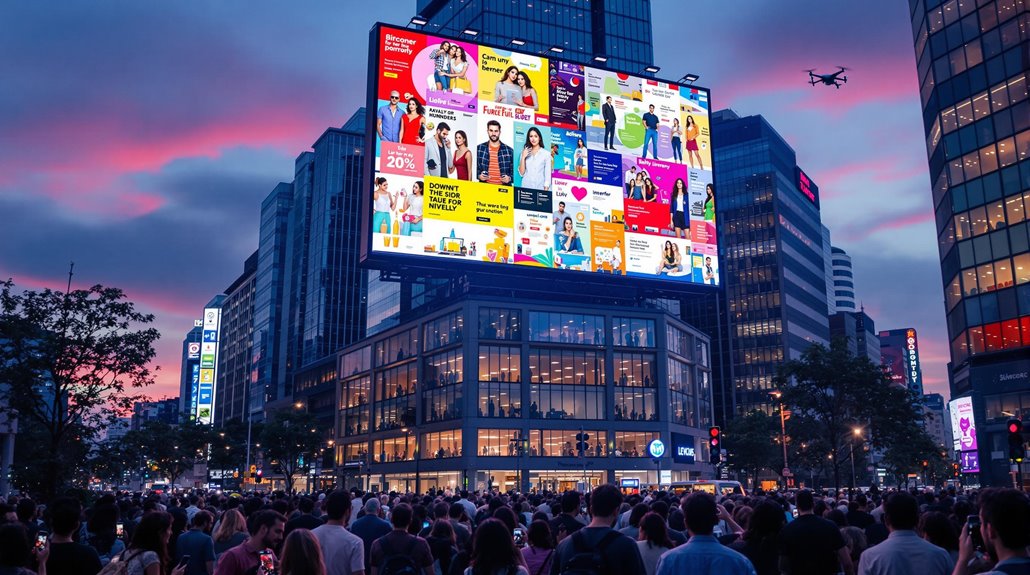
To truly understand how hyper-targeting works, you need to appreciate the power of thorough data analytics. Hyper-targeting relies on these analytics to identify specific audience segments based on demographics, interests, and behaviors. This allows you to create personalized marketing strategies that truly resonate with your audience. By accessing a range of data sources such as registration information, user profiles, and behavioral history, you can gain extensive insights into potential customers.
With hyper-targeting, you segment your audience into micro-groups. This segmentation allows you to craft tailored messages that deeply connect with each group, enhancing both engagement and conversion rates. It's not just about reaching people; it's about reaching the right people with messages that matter to them. Moreover, hyper-targeting enables real-time adjustments to your marketing efforts. By monitoring performance metrics, you can continuously optimize your strategies, ensuring they remain relevant and effective.
Platforms like Facebook and Google use these techniques to refine ad delivery, greatly increasing the likelihood of engagement and purchase decisions among your targeted users. Through hyper-targeting, your marketing efforts become more precise, effective, and impactful, driving better results for your brand.
Leveraging machine learning algorithms such as clustering or collaborative filtering can further enhance your targeting precision, ensuring your messages are highly relevant to each audience micro-group.
Starting With Hyper Targeting
Diving into the world of hyper-targeting begins with crafting detailed buyer personas that capture your audience's demographics, geographic locations, and specific interests. By understanding who your audience truly is, you can tailor your marketing strategies to directly address their unique behaviors and preferences. These personas serve as the foundation of your hyper-targeting efforts.
Once you've defined your buyer personas, develop unique and engaging copy for each segment. Your messages should resonate with their specific needs and preferences, ensuring that your content feels personal and relevant. Hyper-targeting allows you to speak directly to different segments of your audience, making your marketing efforts more effective.
Next, integrate hyper-targeting strategies into your comprehensive marketing approach. Consistency across all channels is vital for maintaining a cohesive brand message. Regularly test, monitor, and analyze the performance of your campaigns, using data-driven insights to refine your strategies. This continuous process allows for adjustments based on what's working and what's not, ensuring your campaigns remain effective and efficient. By embracing hyper-targeting, you're not just reaching your audience; you're engaging them in meaningful ways that drive results.
Ultimately, the goal is continuous improvement and adaptation to your audience's evolving needs. By utilizing predictive behavioral targeting, businesses can anticipate customer needs and enhance engagement.
Benefits of Hyper Targeting

Having laid the groundwork with detailed buyer personas and tailored messaging, it's time to investigate the notable advantages hyper-targeting brings to your marketing strategy. One of the primary benefits of hyper-targeted marketing is its ability to deliver personalized messages to specific audience segments. This approach can greatly increase engagement rates, making your campaigns twice as effective as traditional mass marketing. By honing in on specific demographics, interests, and behaviors, you improve brand awareness and drive sales. In fact, 76% of consumers are more likely to purchase from brands that personalize their communication.
Hyper-targeting reduces the likelihood of your messages being perceived as spam, improving customer satisfaction. With 86% of customers stating that personalized messages influence their purchase decisions, this strategy fosters deeper connections with your audience. Furthermore, hyper-targeting allows you to optimize your marketing budgets by directing ad spend toward the most relevant audiences, ultimately improving return on investment (ROI) through better-quality leads.
Moreover, hyper-targeting contributes to improved customer experiences by addressing specific needs and preferences. This not only builds loyalty but also gives you a competitive edge over businesses still relying on generic advertising methods. Adopt this strategy to stay ahead. Additionally, the use of advanced analytics platforms streamlines data collection, converting raw data into actionable insights that enhance hyper-targeting strategies.
Challenges in Hyper Targeting
Charting the landscape of hyper-targeting presents its own set of challenges. You might find that inaccurate segmentation can lead to miscommunication, causing you to alienate parts of your audience and miss out on potential sales. If your segments are too narrow, you risk widening knowledge gaps and failing to address the diverse needs of your audience. This can make your messaging feel exclusionary or culturally insensitive if you don't fully understand the cultural contexts of your target demographics.
Hyper-targeting also brings financial strains, especially for smaller businesses. Crafting multiple tailored messages for different segments can spike costs, stretching your resources thin. Furthermore, an over-reliance on data can lead to algorithmic tribalization, where consumers get boxed into echo chambers. This limits their exposure to diverse ideas and products, which isn't ideal for fostering a broad customer base.
Implementing data-driven marketing(Data-Driven Decision Making in Marketing: Best Practices and Tools) can help overcome these challenges by offering insights into customer behavior and preferences, leading to more informed hyper-targeting strategies. Consider these emotional pitfalls:
- Miscommunication leads to alienation and lost sales.
- Narrow segments widen knowledge gaps.
- Cultural insensitivity damages brand reputation.
- Tailored messages strain financial resources.
- Echo chambers limit consumer exposure.
Navigating these challenges requires a careful balance between precision and inclusivity in your hyper-targeting strategies.
Data Sources for Precision

Precision in hyper-targeting stems from leveraging diverse data sources that provide a multidimensional view of your audience. When users sign up, they often provide registration data like years, sex, and location. This foundational information sets the stage for understanding your target audience. But to truly refine your strategies, you need more than just basic demographics.
Explore deeper with profile information. This data reveals users' interests, such as their favorite movies, brands, or hobbies. Knowing these details allows you to craft content that connects personally with your audience, ensuring your message hits home.
Behavioral history is another goldmine. By tracking online activities, including visited sites and purchase history, you can uncover patterns and preferences. This insight is vital for placing ads where they're most likely to be seen and clicked by your target audience. Additionally, the use of behavioral segmentation can facilitate relevant promotions based on customer buying patterns, increasing the likelihood of engagement.
Platforms Utilizing Hyper Targeting
Leveraging cutting-edge algorithms, diverse platforms have transformed how marketers reach their target audiences through hyper-targeting techniques. On Facebook, you can explore deeply into users' profiles, zeroing in on interests and demographics to reach the right audience. It's an advertiser's paradise for precision targeting. Over on Google Ads, keyword targeting and user search behavior are your best friends, helping you connect with people actively seeking what you offer at the perfect moment.
Instagram, with its visual appeal, allows you to hyper-target by tapping into user interests and behaviors, making it especially effective for capturing the attention of younger demographics. LinkedIn takes hyper-targeting into the professional domain. If you're in B2B marketing, you can segment audiences by job title, industry, or company size, ensuring your business-centric ads resonate with the right crowd. Meanwhile, Twitter Ads lets you reach out based on user engagement, interests, and real-time trends, making it perfect for joining in relevant conversations.
Imagine:
- Capturing the attention of exactly who you need
- Tailoring your message for maximum impact
- Engaging your audience in meaningful ways
- Staying ahead in a competitive market
- Making every advertising dollar count
By incorporating AI-driven predictive analytics, businesses can optimize stock levels and enhance inventory turnover rates, ensuring efficient product availability. These platforms offer the tools you need to hyper-target and reach the right audience effectively.
Future Trends in Hyper Targeting

As hyper-targeting continues to evolve, you'll see a significant shift towards AI and machine learning to improve audience segmentation and personalization. These technologies will refine how brands target consumers, making marketing strategies more efficient and effective. You'll notice the integration of augmented reality (AR) and virtual reality (VR) into campaigns, creating captivating experiences that boost customer engagement and connection with brands. This progression in hyper-targeting enriches the customer experience by offering more interactive and personalized interactions.
However, privacy regulations and data protection concerns are shaping how hyper-targeting is practiced. You'll need to navigate these challenges by finding creative ways to deliver personalized content while respecting user privacy. Emphasizing transparency and trust will be key in maintaining customer loyalty.
Additionally, hyper-targeting is expected to become more community-focused. By leveraging local insights and data, brands can create campaigns that resonate with specific regional audiences, tailoring their approach to fit local preferences and cultures. As consumers engage with multiple platforms simultaneously, there's a growing demand for cross-channel hyper-targeting. You'll need to guarantee cohesive and consistent messaging across diverse channels like social media, email, and search engines for a seamless customer experience. Brands using AI-driven personalization report a 20% increase in customer engagement, highlighting the effectiveness of tailored marketing strategies.
Real-World Examples
In the current digital environment, hyper-targeting has become an essential tool for businesses to connect with their audiences more effectively. By delivering relevant messages tailored to individual preferences, companies can greatly enhance engagement and conversion rates. Consider these real-world examples to understand how hyper-targeting is making an impact:
- Facebook Ads: With detailed user data on interests, behaviors, and demographics, Facebook allows you to reach specific audiences. This precision increases ad relevance and engagement rates considerably.
- Spotify's Personalized Playlists: Imagine a playlist crafted just for you. Spotify does this with "Discover Weekly," increasing user engagement by 40% as listeners enjoy music that aligns with their tastes.
- Amazon's Recommendation Engine: Ever noticed how Amazon seems to know what you need? Their recommendation engine uses your browsing habits to suggest products, contributing to 35% of their total revenue.
- Google Ads' Custom Audiences: When you tailor your ads to match user search behaviors, like with Google Ads, you see results. Expect a 200% increase in click-through rates compared to generic ads.
- Deutsche Bahn's Campaign: By targeting specific customer segments interested in sustainable travel, Deutsche Bahn's campaign achieved an impressive +850% click-through rate, showing the power of hyper-targeting.
These examples highlight how hyper-targeting can transform marketing strategies by delivering personalized, relevant messages that truly connect. By integrating AI into their strategies, companies can utilize advanced algorithms for precise audience segmentation, further enhancing the effectiveness of hyper-targeting.